Autumn is in full flow. The bronze and gold leaves are constantly drifting along the paths and fields. With the arrival of October, it is time to warmly welcome October’s Poetic Voice.
This month, our Poetic Voice is another bumper edition with our poet sharing several poems including pieces from their latest book, as well as an interview which delves into their approach to craft, influences and recommendations for who poets should be reading.
Without further ado, let me introduce the excellent Annest Gwilym.
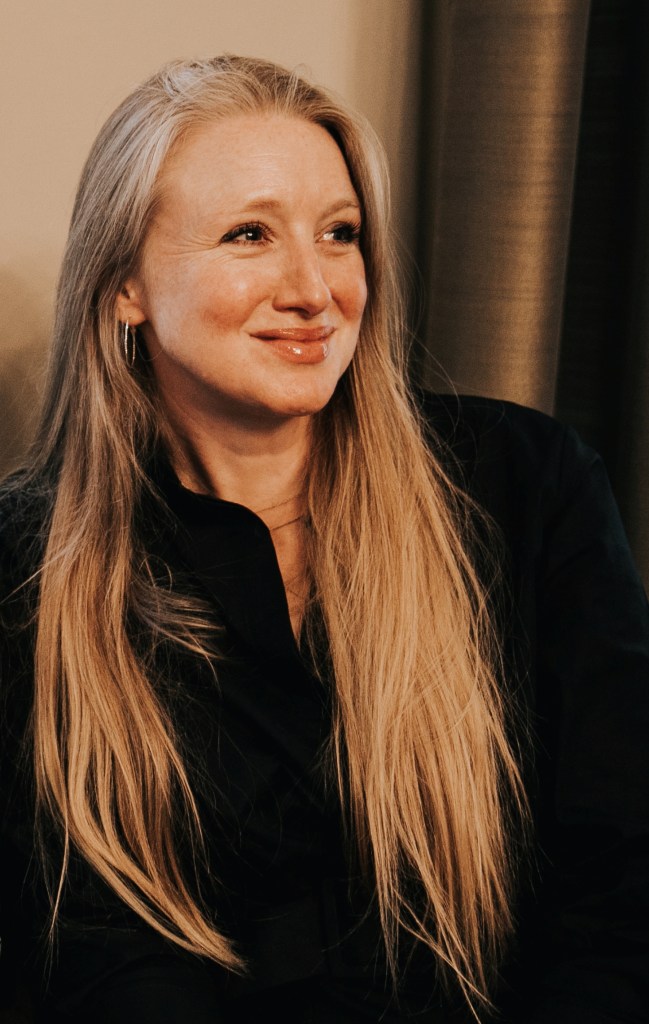
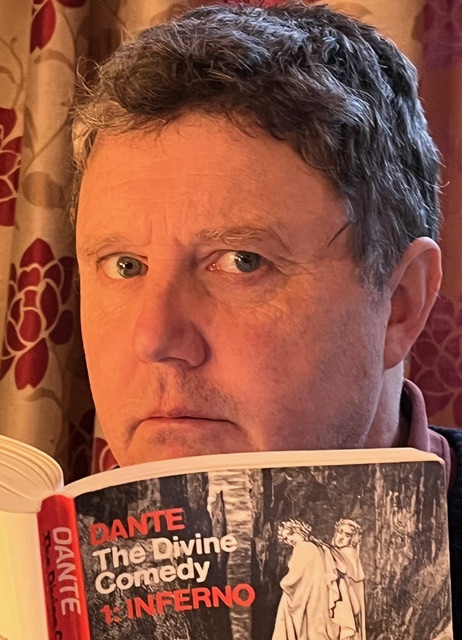
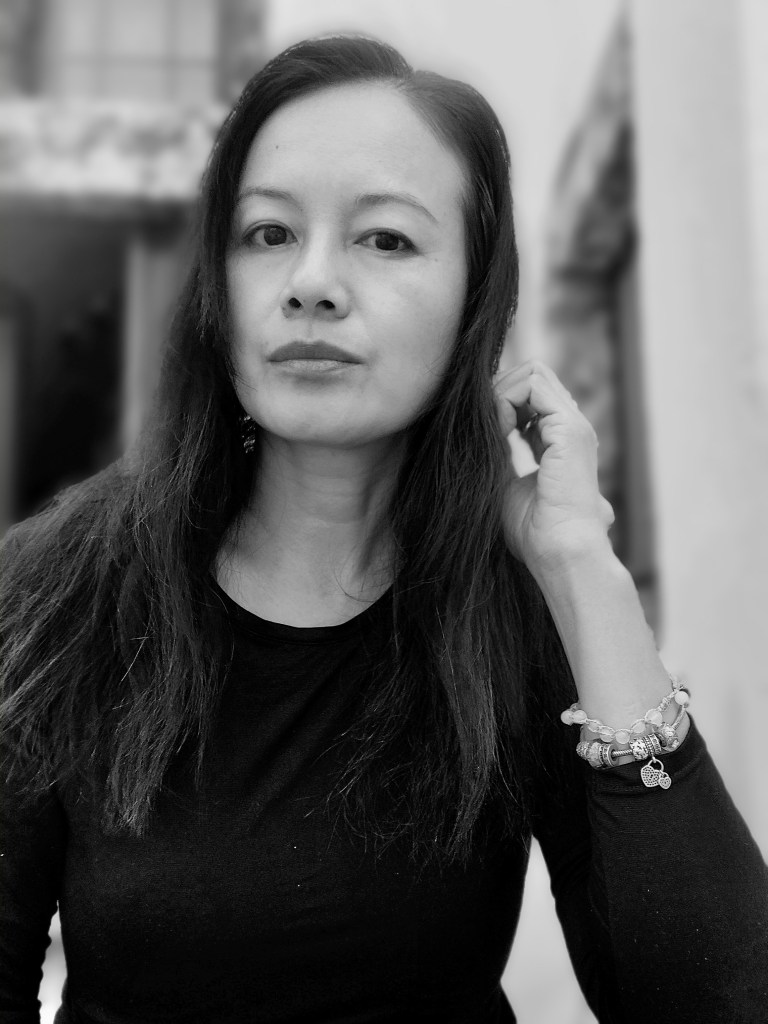
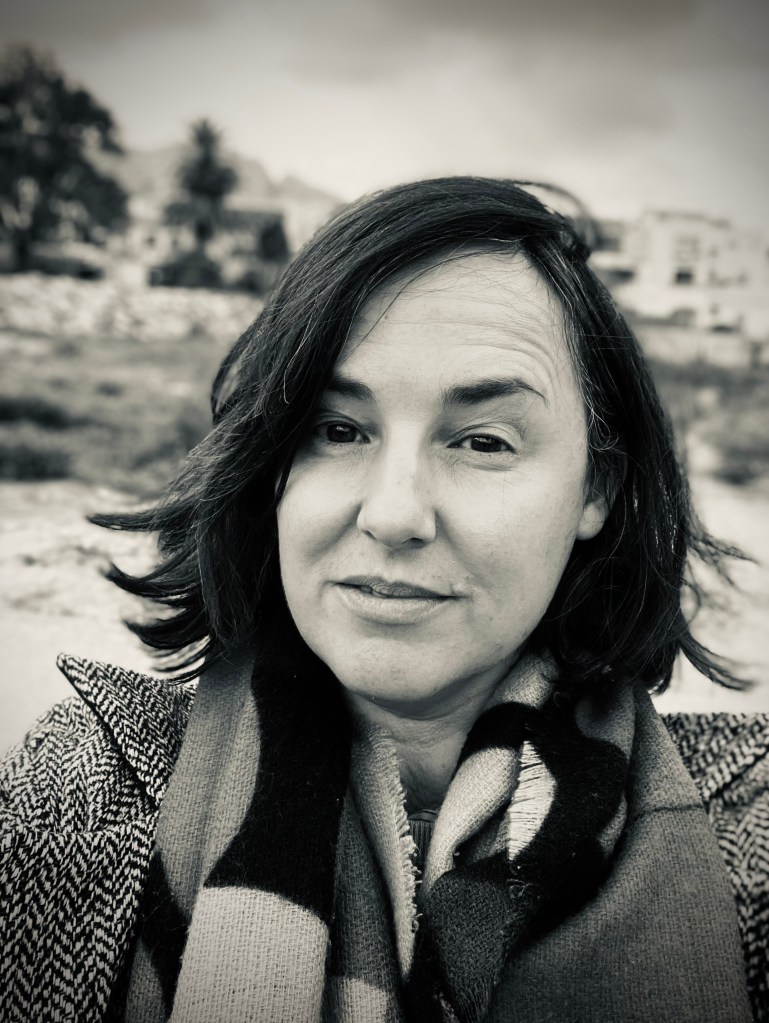
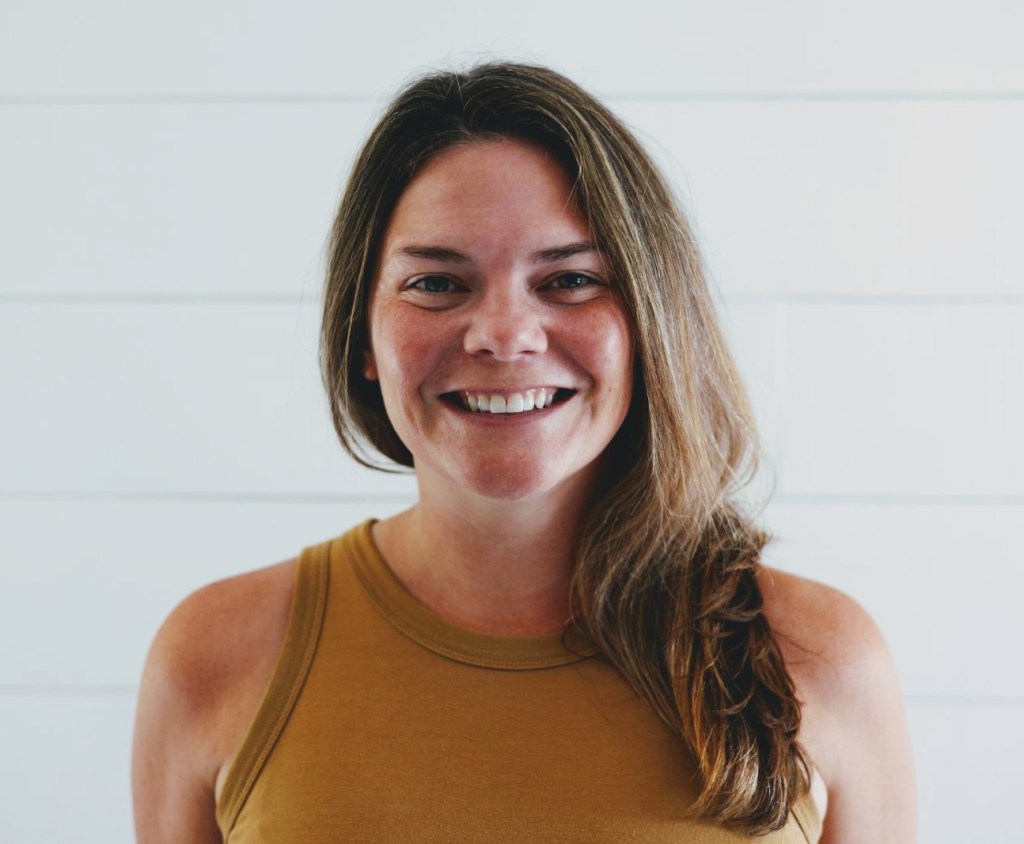
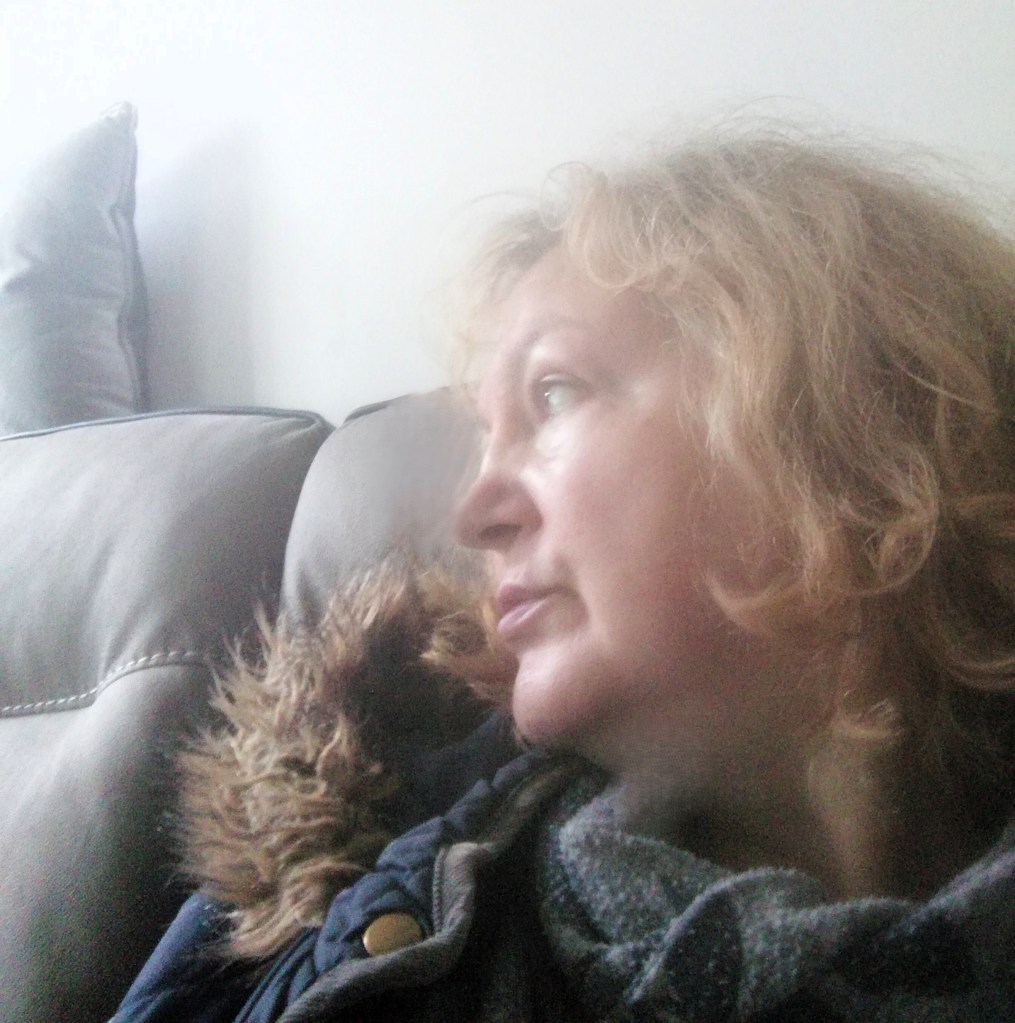
Annest lives in north west Wales, near the Snowdonia National Park, in the UK. She is a native Welsh speaker.
Her writing has been widely published in online and print literary magazines and anthologies including: Amaryllis, Ariadne’s Thread, ARTEMISpoetry, Black Nore Review, Caught in the Net, Clear Poetry, Culture Matters, DarkWinter Press and Literary Magazine, Fevers of the Mind, Ink Sweat & Tears, LUNCH, Optimum Poetry Zine, Poetry Life and Times, Poetry Space, Reach Poetry, Red Poets, Sarasvati, Sentinel Literary Quarterly, Strange Poetry, The Cannon’s Mouth, The Dawntreader, The Ekphrastic Review, The Journal, The Projectionist’s Playground, The Seventh Quarry, The Wombwell Rainbow, Three Drops from a Cauldron, Visual Verse, Words for the Wild, Ygdrasil, the Templar annual competition anthology Mill (2015), the University of Chester’s competition anthology Patches of Light (2016), the Clear Poetry anthology 2016 and 2017, Disability Arts Cymru’s anthology Out of Sight (2018), Indigo Dreams Publishing’s anthology For the Silent (2019), the University of Chester’s anthology of short fiction Island Chain: Short Stories from the Cheshire Prize for Literature 2018 (July 2019), the Fevers of the Mind Anthology 5: Overcome (2021), Extinction Rebellion’s anthology Rebel Talk (2021), Gwyl Y Ferch’s anthology (2022), Culture Matters’ anthology Gwrthryfel/Uprising (2022) and the Fevers of the Mind Anthology 11: The Lone Road (2024).
She was also included in Poetry Kit’s e-books/anthologies in 2016, 2017, 2018, 2019 and 2020. Her poem The Moon Hedgehog was the featured poem in Poetry in Public, August 2019. She was the featured poet in Caught in the Net (November 2019). She has also been the featured poet in SecondLightLive (October 2024), The Seventh Quarry (January 2025) and The Dawntreader (Autumn 2025) as well as in The Book Bag: Poetic Voices – October 2026.
Her first pamphlet of poetry Surfacing was published by Lapwing Publications in 2018. Her first full collection What the Owl Taught Me (also published by Lapwing Publications) was Poetry Kit’s Book of the Month in June 2020 and one of North of Oxford’s summer reading recommendations 2020. Her third book of poetry – Seasons in the Sun – was published by Gwasg Carreg Gwalch on 15 September 2023 and was Poetry Kit’s Book of the Month in November 2023 as well as being one of their Christmas reading recommendations. She was nominated for the Wales Book of the Year Award 2024. Her fourth book of poetry – Contemplation of Roses – was published in July 2026 by Lapwing Publications and was Poetry Kit’s Book of the Month for October 2026.
She was the editor of the webzine Nine Muses Poetry from 2018-2020.
She has received four Special Commendations and four Shortlisteds in writing competitions in recent years. She received a Special Mention in Sentinel Literary Quarterly’s poetry competition (May 2018). She was shortlisted in the Littoral Press Nature Poetry Collection Competition 2019. She was joint runner-up in the Cheshire Prize for Literature 2015, for short fiction. She was the winner of firstwriter.com’s Fifteenth International Poetry Competition 2016/17. She was a Best of the Net nominee, 2021.
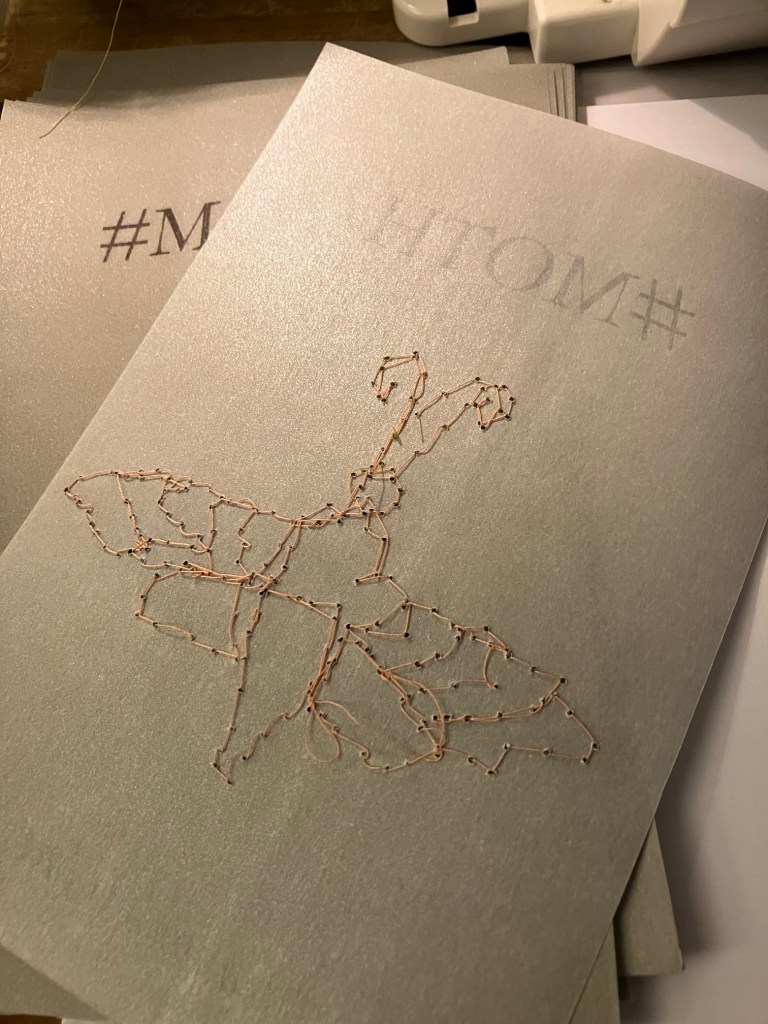
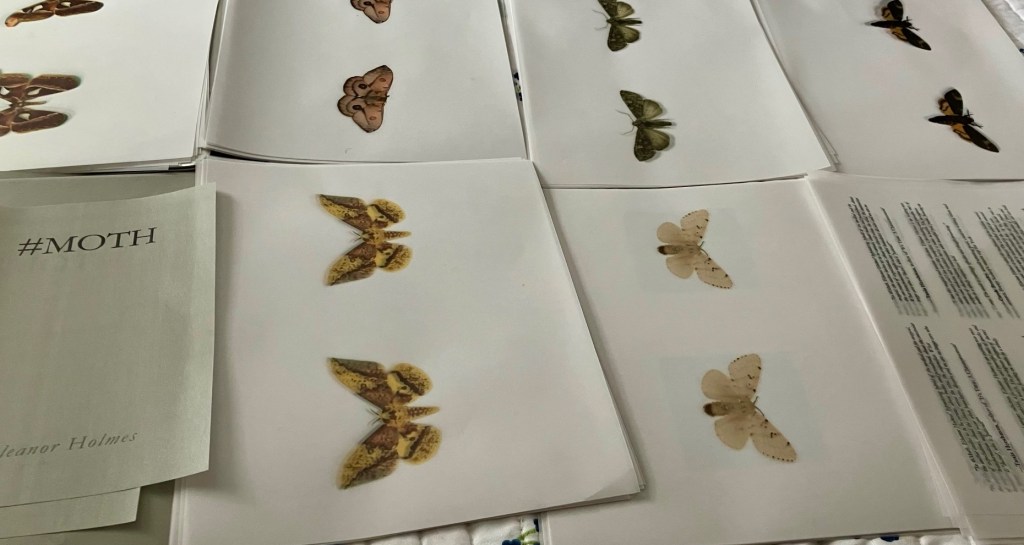
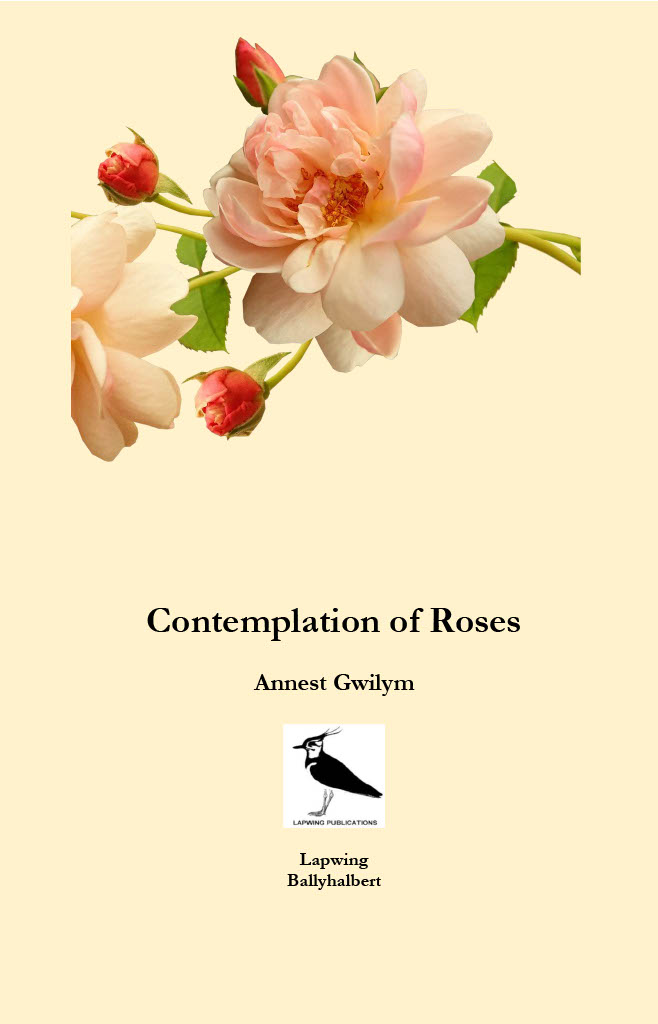
Annest’s latest book , Contemplation of Roses, was recently published by Lapwing Poetry and is a terrific collection of poems divided into two key themes. One examines the natural world, while the latter section examines human nature. Pieces are vivid and relatable and have broad appeal. You can buy Contemplation of Roses, here. You can find Annest on Bluesky: @annestgwilym.bsky.social
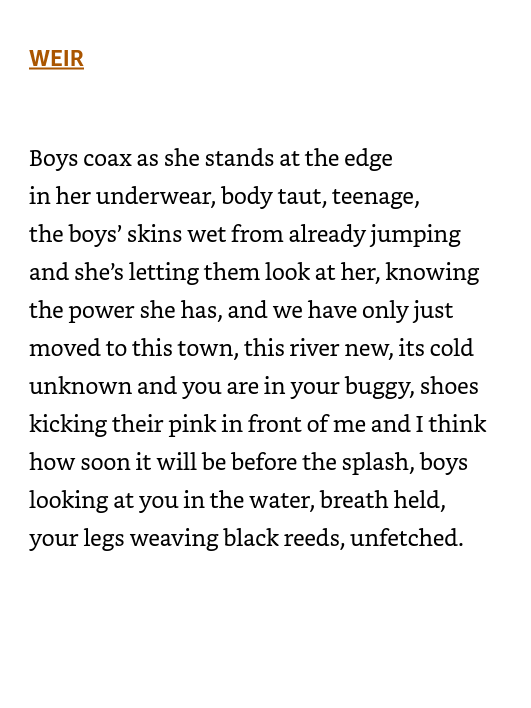
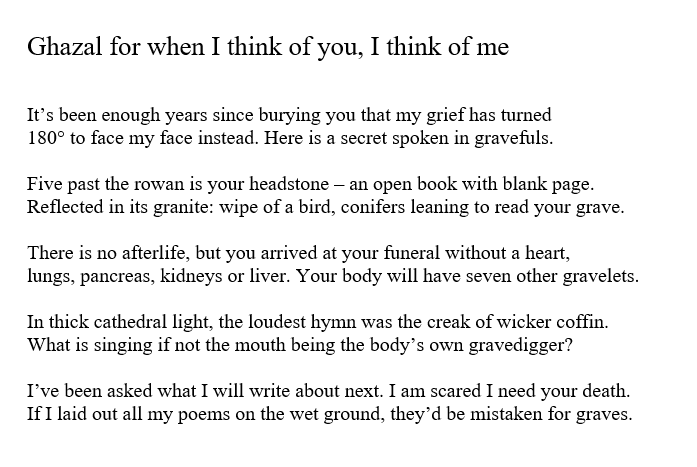
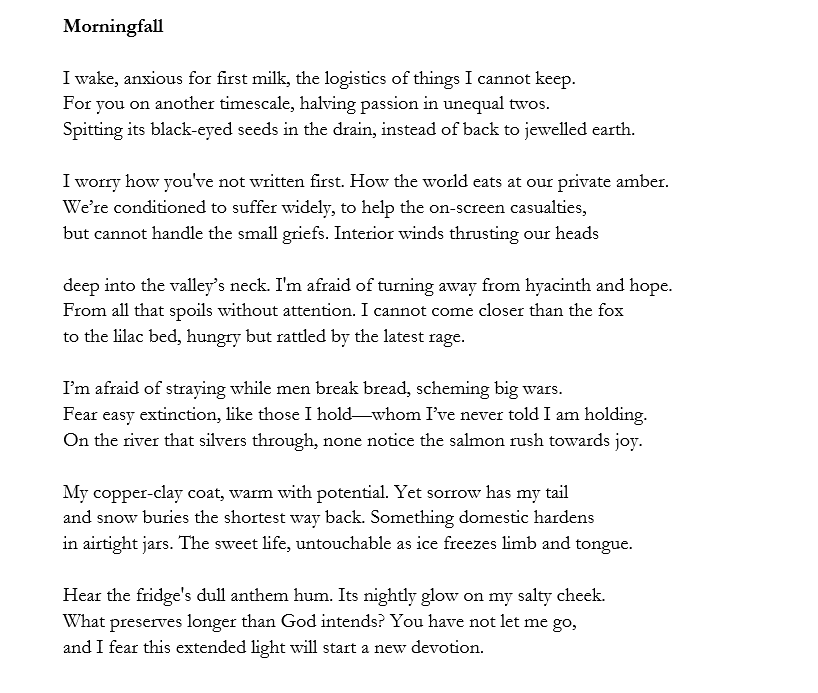
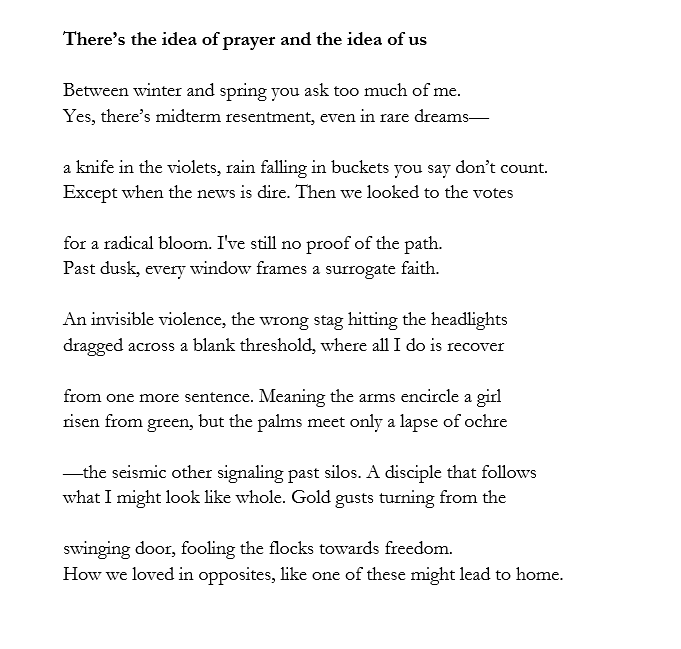
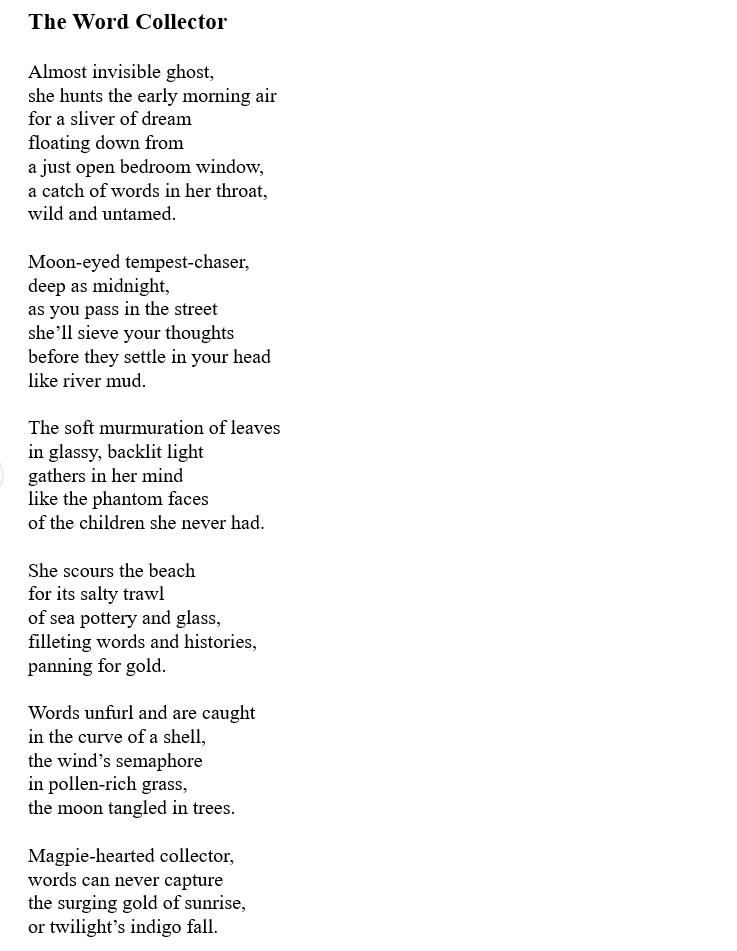
For part 1 of Annest’s feature, I will be sharing four poems and her interview. The first poem, was originally published by Fevers of the Mind and it examines Annest’s habit of collecting words.
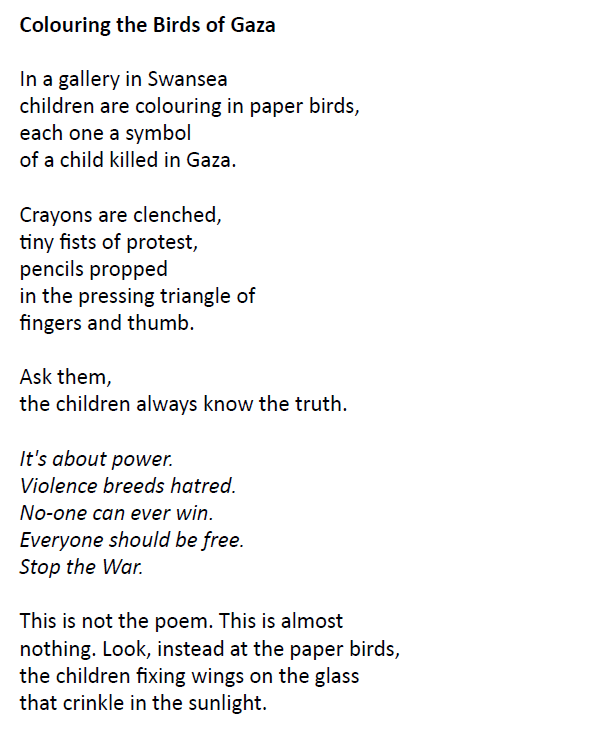
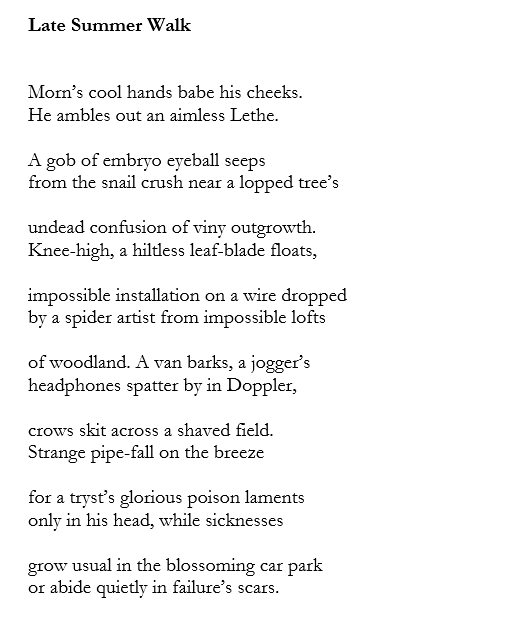
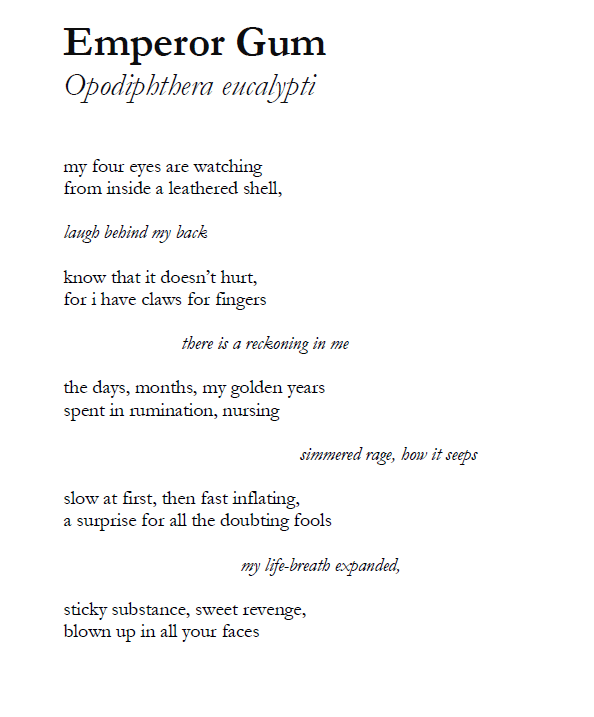
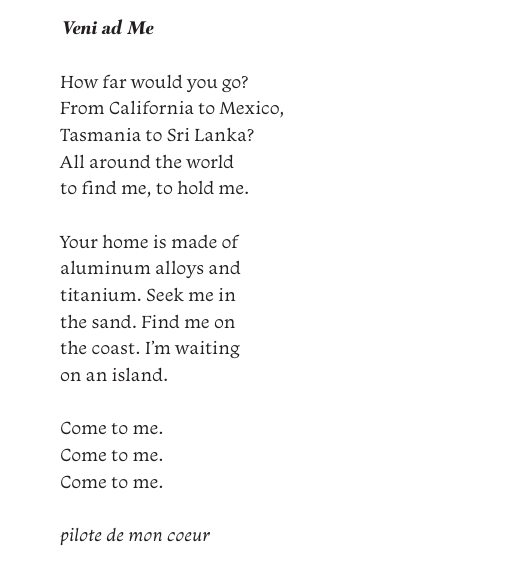
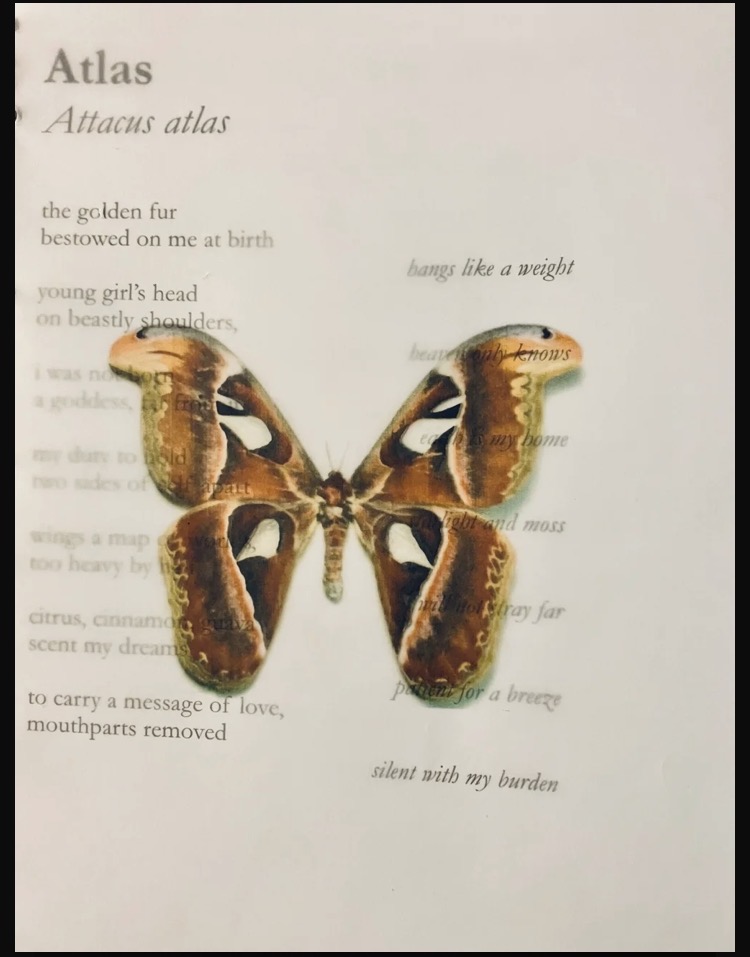
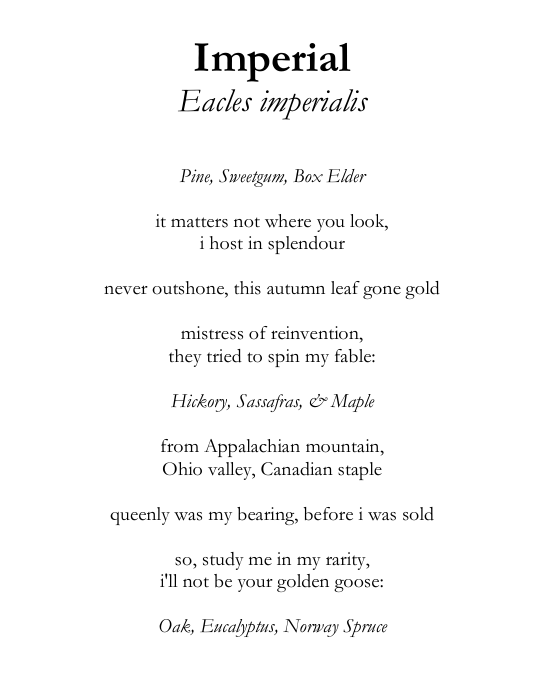
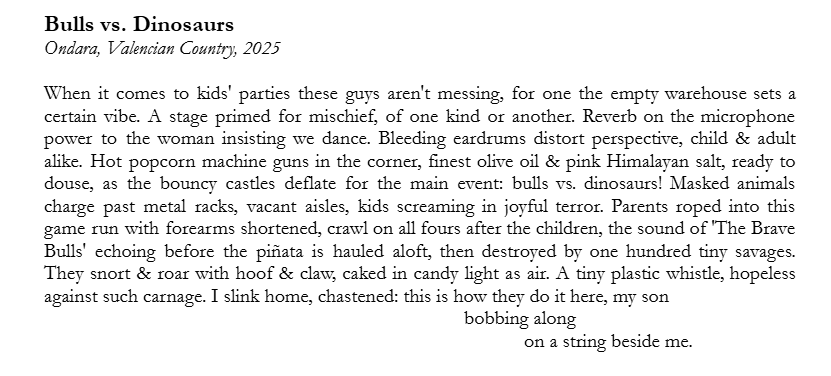
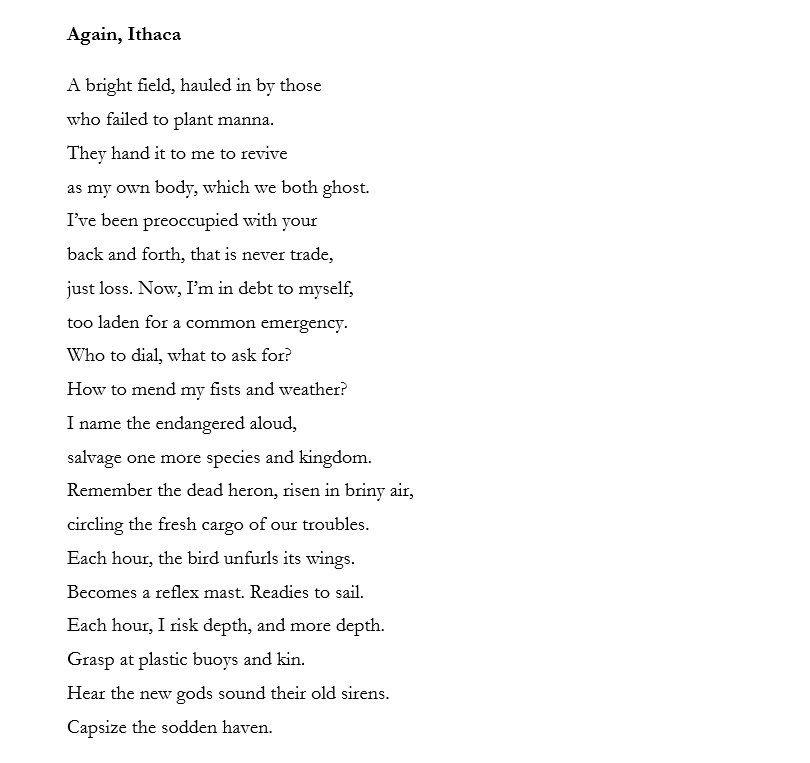
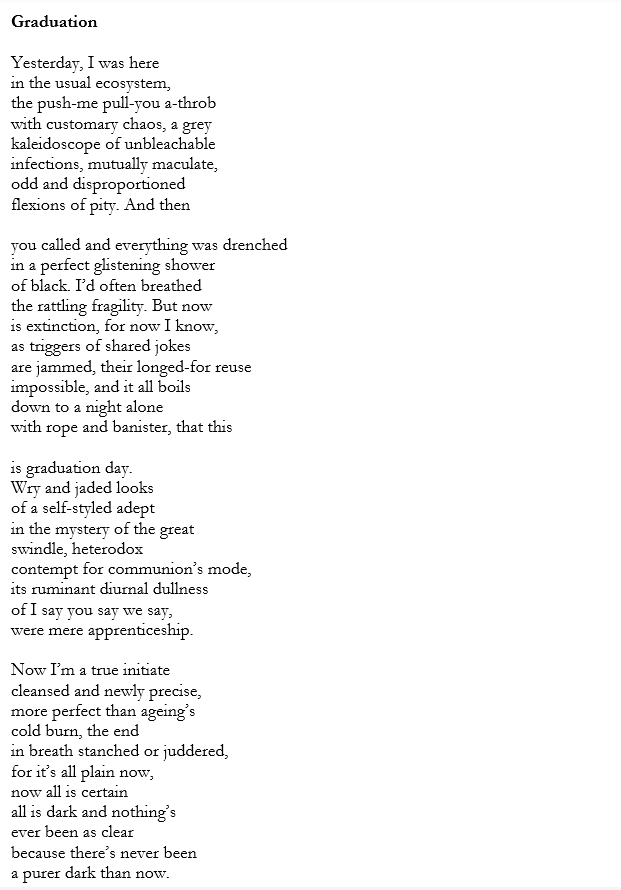
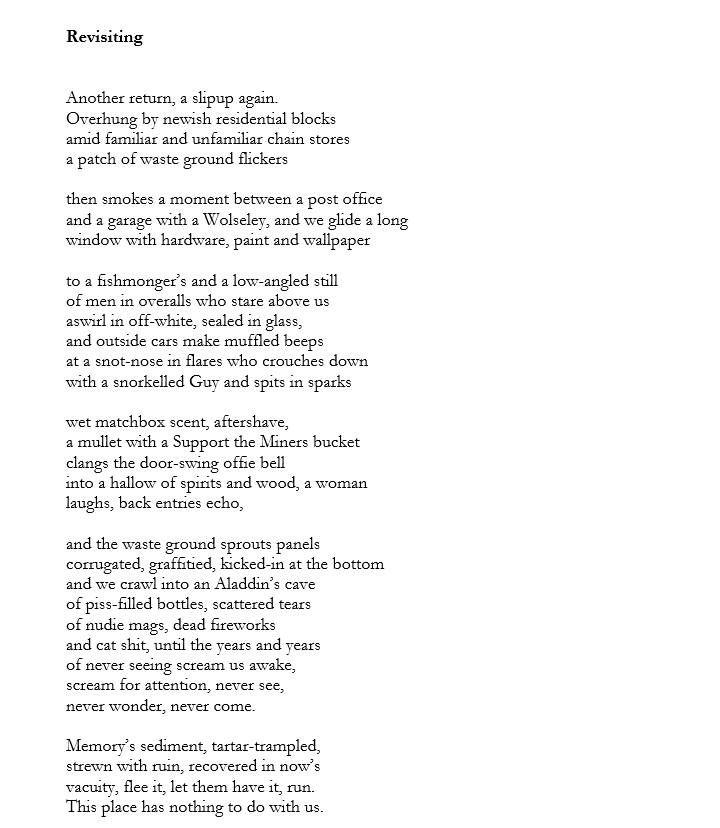
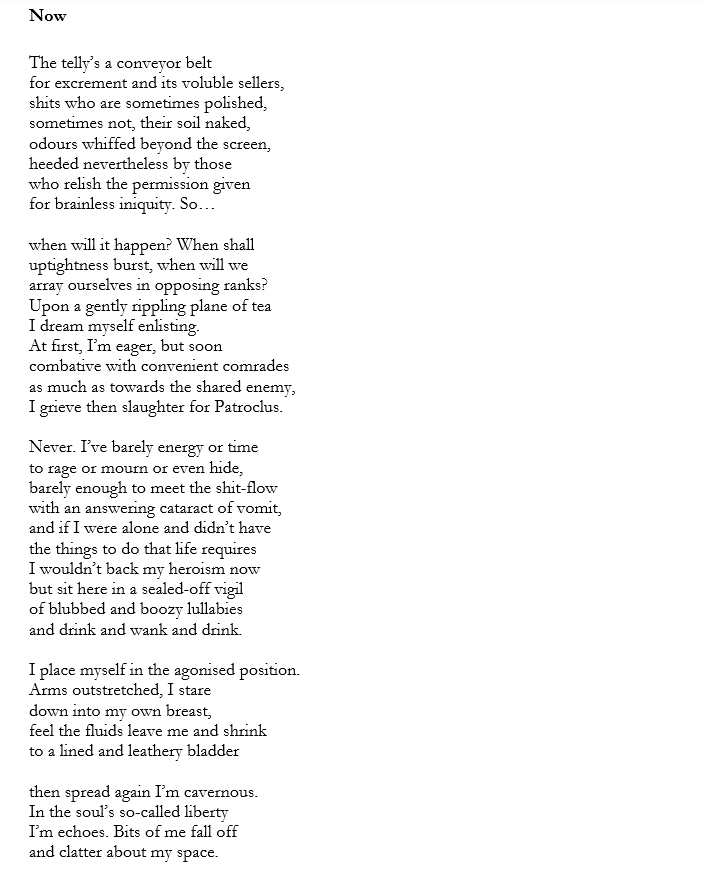
The following poems are all included in Contemplation of Roses.
An Interview with Annest Gwilym
PS: A nice easy one to get started, who would you say your poetic influences are and have they evolved over time?
AG: As a teenager I was a great admirer of the Romantic poets, and like many a schoolgirl, John Keats in particular. His Ode to Autumn remains one of my favourite poems to this day. I particularly like the sensuousness of his imagery, all the more impressive since it was achieved within challenging forms such as the ode and sonnet. I started experimenting with writing as a young child, although most of the writing from my earlier years was about teenage angst!
In my late teens I became interested in Ted Hughes, Dylan Thomas and R. S. Thomas. I remain an admirer of these three poets, but am probably not as influenced by them as I used to be. I liked and could identify with R. S. Thomas’ views on Wales, and also his focus on the everyday – landscapes and common people such as farmers – and his struggles with his spirituality. Ted Hughes I admired because of his stark, honest and vivid portrayal of nature, in all its beauty and ferocity. Dylan Thomas continues to be a favourite of mine because of his rich, lyrical, innovative use of language and powerful imagery. His mastery of the sonics of poetry is particularly evident when his work is read aloud. But on the whole, I sometimes find in Dylan Thomas’ work a ‘sensory overload’ and I prefer R. S. Thomas’ spareness, cleanness of language and sharply-carved imagery.
Over the years, I have also found Robert Frost, Anne Sexton and Sylvia Plath inspiring. They have all been influences on my work, though less so now as my own style of writing evolves. I am also influenced by some of the poets from the avant-garde movements of the 20th century (Allen Ginsberg in particular), though there would be too many to list them all here.
A major influence on my work continues to be Helen Dunmore. She is able to see the poetry in everything, and her style, sensuous but delicate and surprising is what makes her stand out for me. She spans the everyday domestic scene to mortality with the same grace and grounded sensuousness and spareness of imagery. She is unafraid of writing about difficult issues such as child abuse and death. A poetry mentor of mine used to say that there is poetry in everything in life, and I hold with that belief.
A more recent influence is the work of Canadian poet K.V. Skene. Her work is unlike anything else I have seen being written now, and is totally original in terms of content and layout on the page (she is not afraid of experimenting with form or language). I have recently read her book Seasonal Adjustments and was very impressed by her originality and lightness of touch.
PS: In your new book Contemplation of Roses, nature plays an integral role. How do you capture the landscape, so it is as vivid on the page as in your mind, for example do you take photos, draft a description or is it from memory?
AG: It is mainly from memory, although I will sometimes take notes after a walk for instance. If I am unsure of something I am writing about, I will go back and take another look, or research it online. I keep a notebook of these memories, interesting ideas, themes and language. Some become poems, so do not. I also keep a document containing fragments and lines from failed poems, which I sometimes revisit and use again in another poem. When writing about nature, I am always aware of not falling into the trap of cliché or blurring the imagery by using too much. Sentimentality is also something I try to exclude from my writing about the natural world (or anything else), as it can be experienced and felt as inauthentic. One clear, sharp, original image is better than 20 clichéd ones. I wrote a poem in my last book – Seasons in the Sun – which is about me and my tendency to collect words (see The Word Collector, above).
PS: Following on from that, this book is your 4th. What is the most notable change in your style and process compared to when you wrote Surfacing (2018).
AG: My style is now not as confessional. I now try to write from other perspectives as well.
PS: In Contemplation of Roses, I really enjoyed the variety of perspectives used. Do you always know how the poem will be addressed (i.e. first, second or third person) before you draft or do you try from multiple perspectives?
AG: I usually decide on which perspective to use before writing the poem. There is no set process for this, it’s usually which approach works best with the poem.
PS: Thank you. Was there a particular event or memory that sparked your poetic journey?
AG: As I’ve mentioned elsewhere, I started trying to write as a child, first by making up and telling stories to my younger sister. I started writing poetry as a child/teenager, most of which was about teenage angst. The only success I had in childhood was to have a poem, written in Welsh, published in a local magazine, 1 of only 2 to be chosen from my school. I tried writing poetry again at university (Lancaster), again not publishable and after that became caught up in the pressures of life, work and trying to pay a mortgage. I didn’t start to write and submit my work seriously until my late 30s, although no one event sparked this. In the early stages of my writing career I found the website ABCtales.com helpful, in that you could post and receive supportive and helpful feedback from other writers, without the pressure of submission. I have always been a lover of literature and one of the things my late grandmother used to say was that I was never to be found without a book in my hands.
PS: If Contemplation of Roses could leave readers with one main thought or feeling, what do you hope it would be?
AG: Contemplation of Roses is very much the world as I experience it, and expect another person’s reaction would be quite different, and that is fine. I very rarely write poetry that is overtly political (there is nothing I dislike as much in poetry as political rants, or someone telling me how I should feel). So I tend to hope that the reader enjoyed my work, and came to their own conclusions.
PS: I imagine you are being asked this a lot as you’ve just released your book, but, do you have any other projects in the pipeline?
AG: I am currently on a Mentoring Masterclass with a very experienced poet. I won a bursary to take part in this. So far, we have covered a lot of information on the avant-garde movements of the 20th century in particular. As a consequence of this, it has led me to desire to make my work more distinctive, experimental and abstract even. I have found the website Language Is a Virus helpful for experimenting with language. The Cut-Up Machine is particularly helpful if you are looking for unusual juxtapositions of language in your work. I have used this tool for recycling old, retired short stories and have produced some quite innovative language combinations which I’ve used in my poetry.
PS: You are a native Welsh speaker. Would you like to see more contemporary Welsh language poetry/native language poetry being commercially available?
AG: Welsh language poetry is available, in Wales. My previous publisher – Gwasg Carreg Gwalch – publishes books in both English and Welsh. However, Welsh language poetry is not readily available outside Wales. It is on the Welsh school curriculum and I myself have an O Level in Welsh Literature. It is possible to do Welsh degrees (Language and Literature) in universities such as Bangor, Aberystwyth and Cardiff.
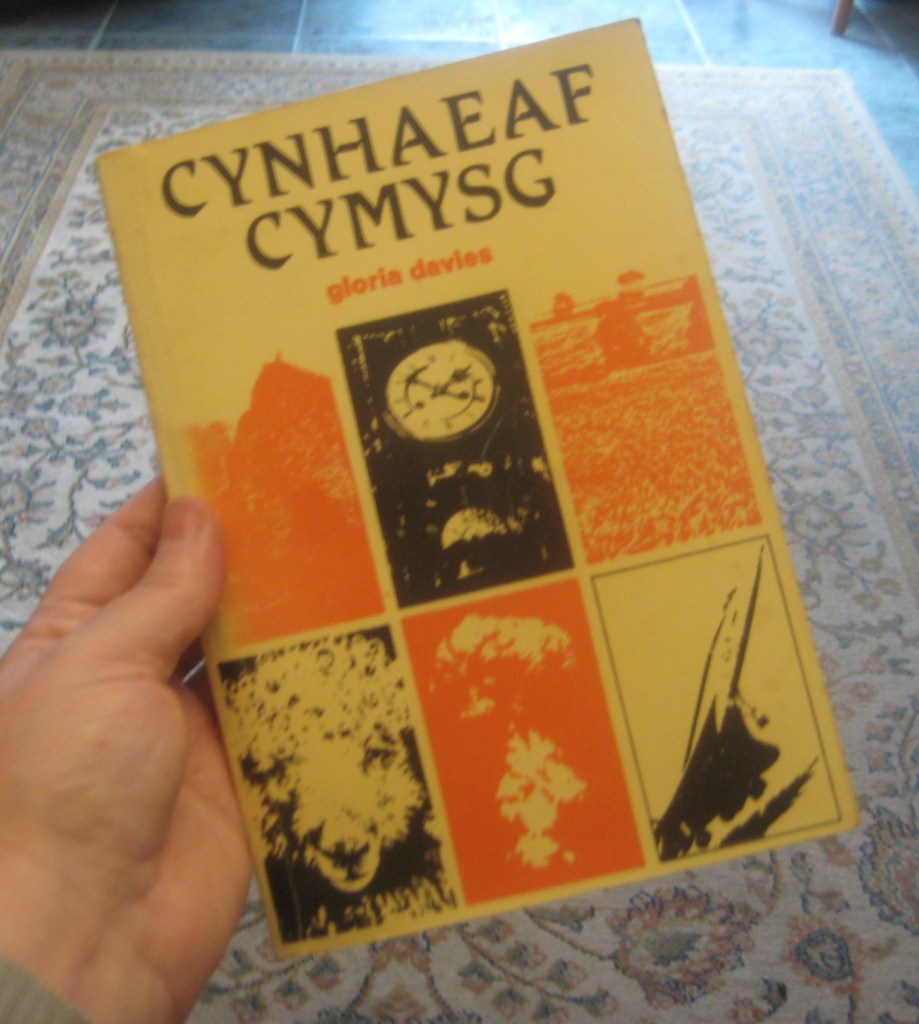
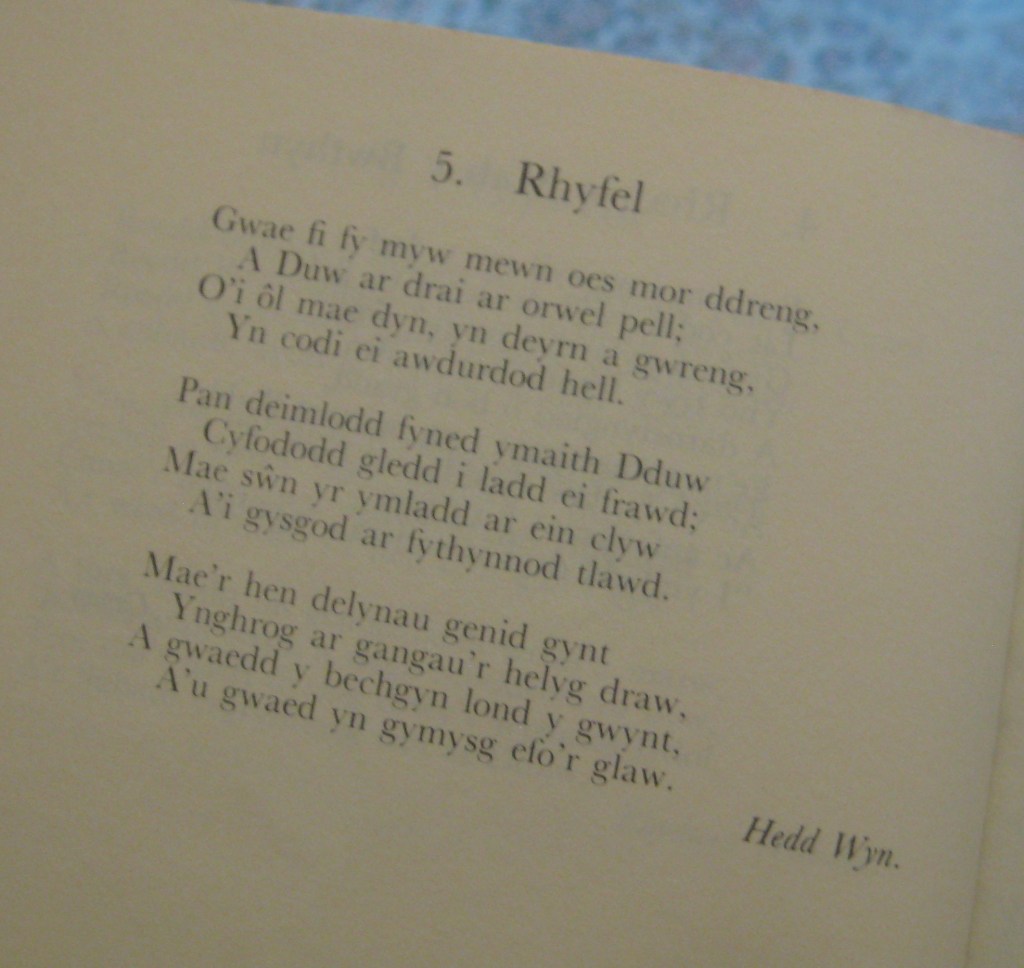
PS: You have a visibly strong connection to poetry. Are there any further creative pursuits that you would like to engage with?
AG: Over the years, I have experimented with a variety of arts and crafts, sometimes spreading myself a little thin. Poetry is the art that I feel the most connection to, although I am very attracted to visual art as well.
PS: And finally, what is the best piece of advice you have received about writing poetry that may benefit other poets?
AG: Never give up, read as much good poetry as you can (and not just on social media) and try to improve your work by attending courses, workshops or mentoring with a more experienced poet.
One piece of good advice I was given by a prolific and successful poet is that rejection happens to everyone and not to give up (he once told me he could paper his house twice-over with all the rejection slips he’s received in his life). Having been editor myself (Nine Muses Poetry 2018-2020) I know that editorial decisions are not always the right ones and it may simply be a case of finding the right venue for your work. Asking for feedback may also be helpful, although many editors are reluctant to give any.
Another piece of advice I would give is about line endings in poetry (one of my bugbears): they are there for a reason, and should form a natural pause. Reading your poetry aloud would give a better idea of where natural pauses occur. I see many poems these days (especially on social media) that end mid-sentence, mid-flow (even on words such as ‘the’), and it is a tendency that should be avoided, although it tends to be young or inexperienced poets who make this particular error.
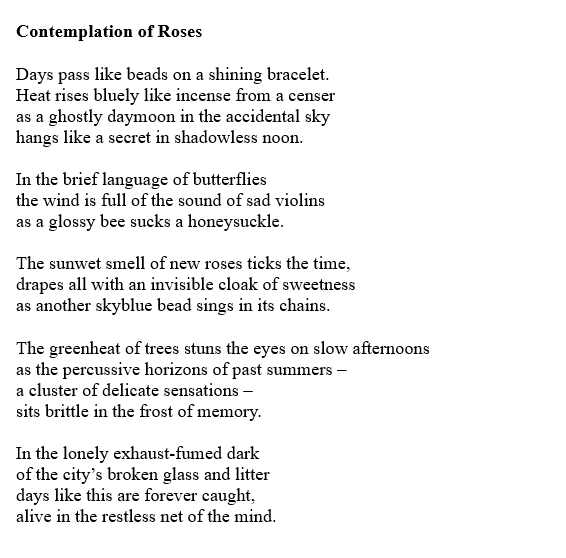
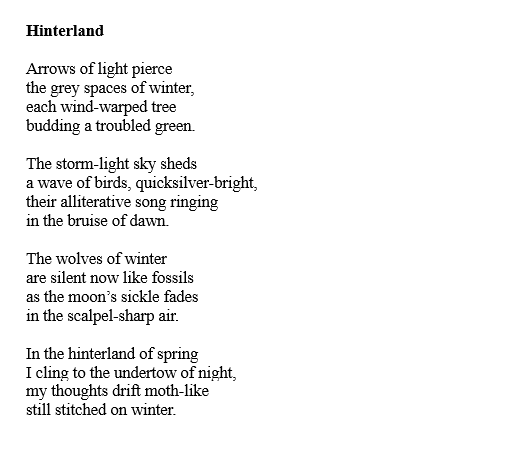
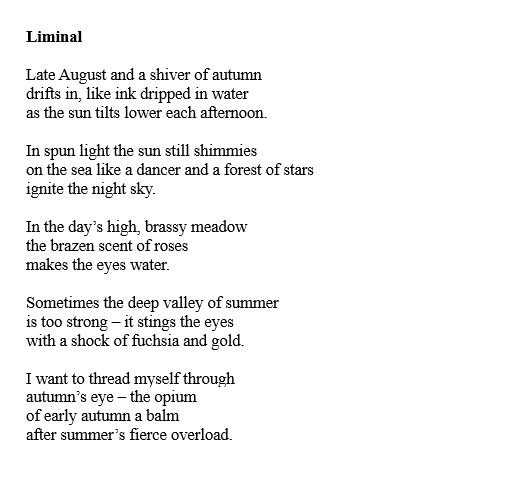
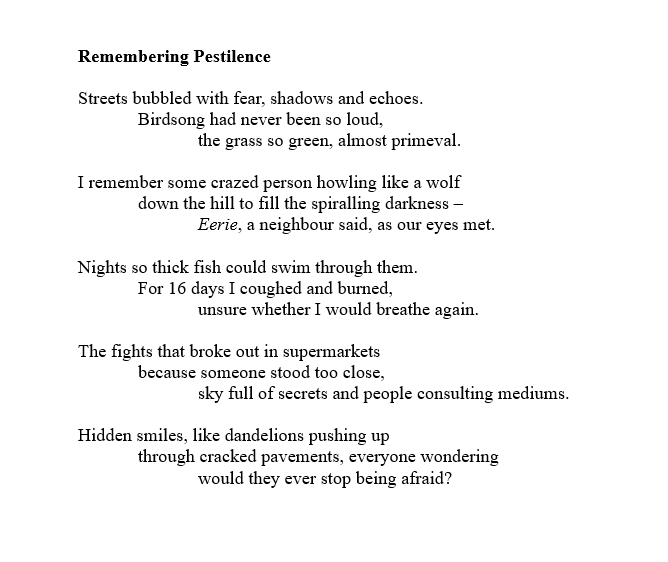
Welcome back! You’re hear to read the remaining three poems selected from Annest’s book Contemplation of Roses. Remember, You can buy your copy here here.
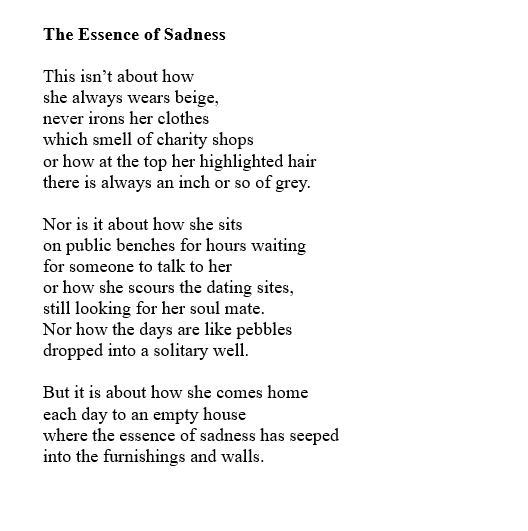
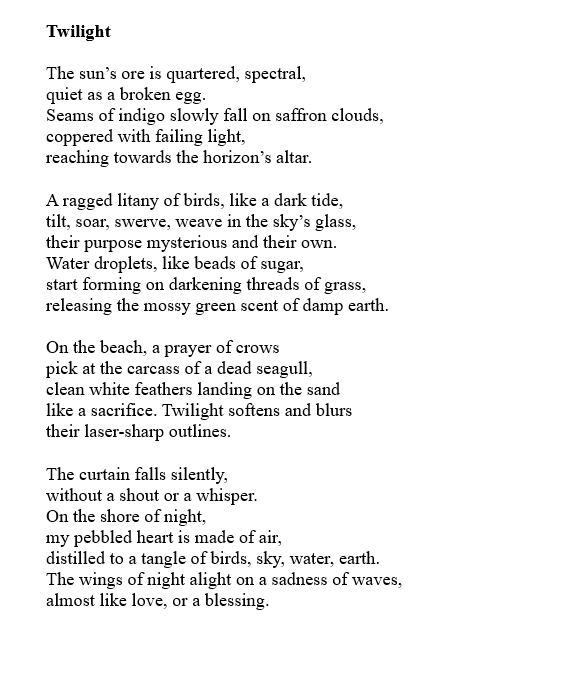
Many thanks to Annest for sharing work from Contemplation of Roses and a previous piece and for such considered answers to my questions.