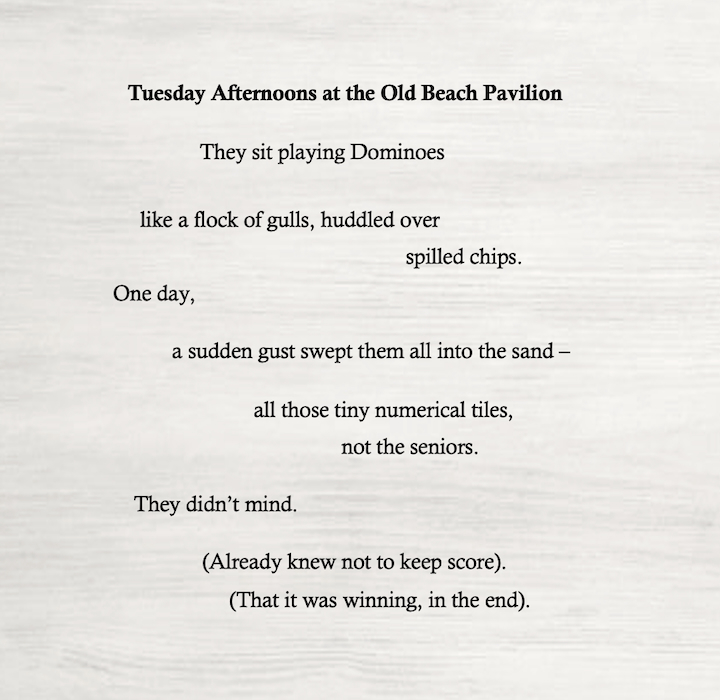
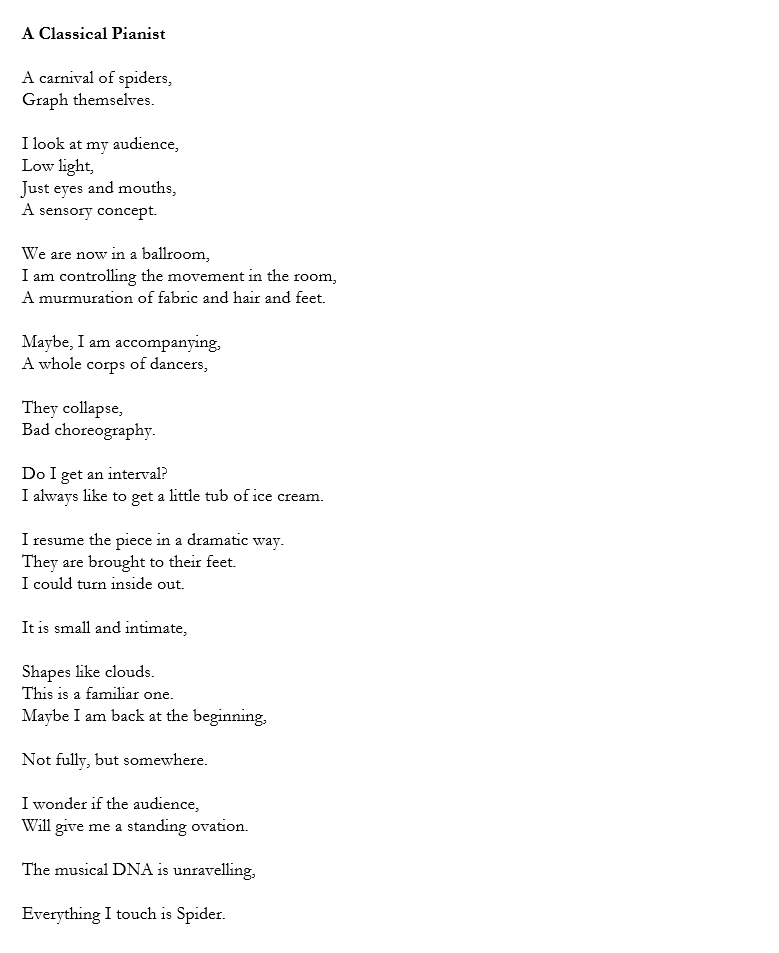
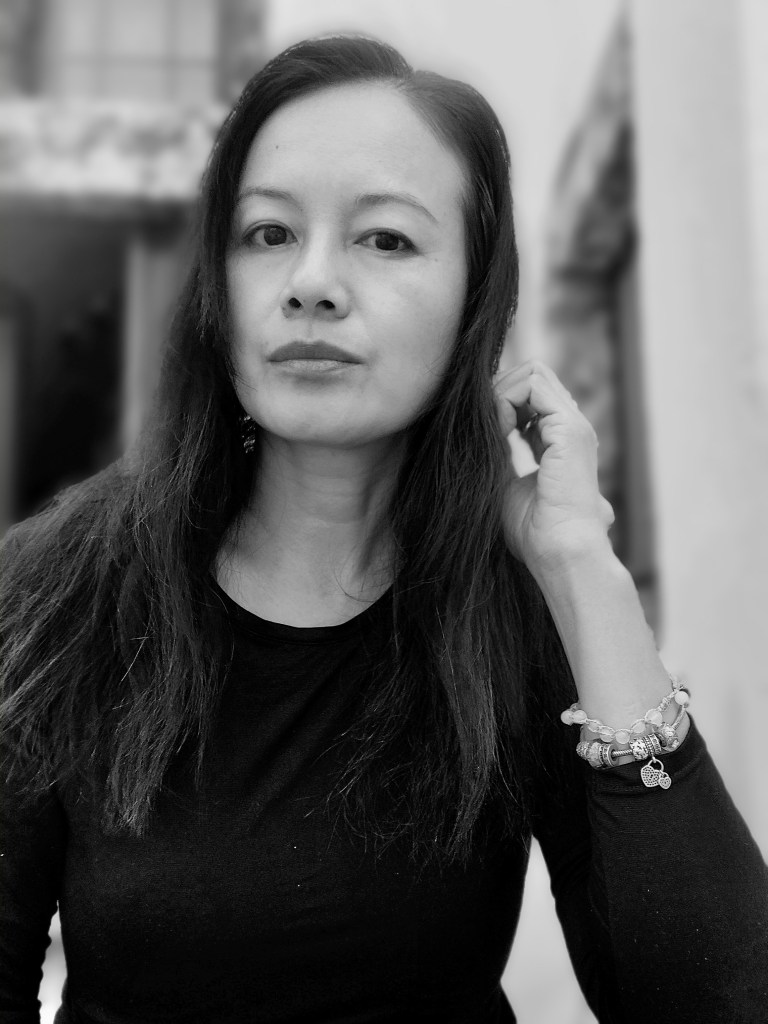
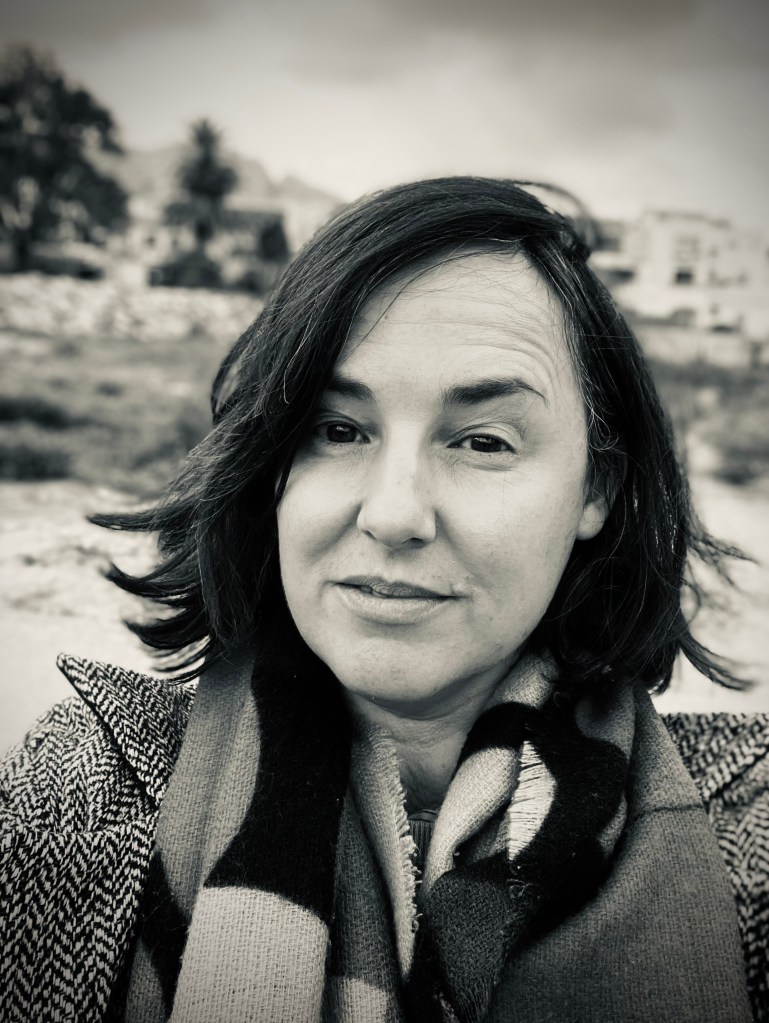
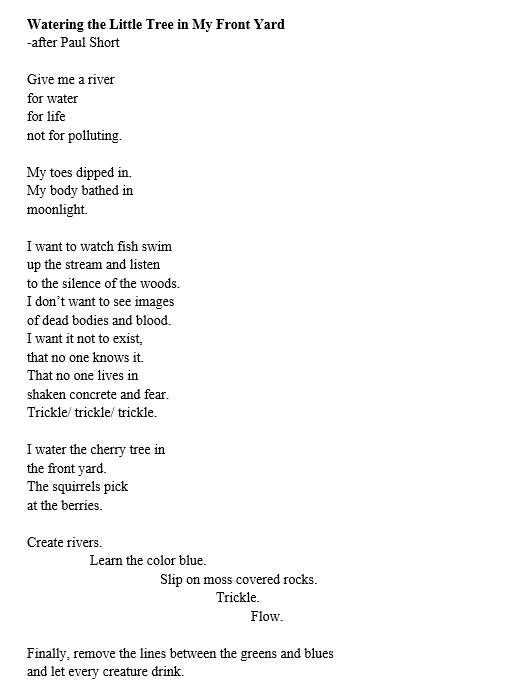
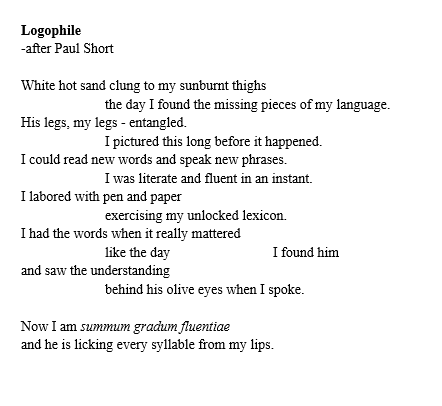
Welcome to this month’s special edition of Poetic Voices, featuring several of the members of Write Here, Right Now poetry writing group.
Write Here, Right Now holds a special place in my heart. Thanks to the group, my work has improved vastly over the past year and a bit. It’s even more gratifying to see members flourish in their own writing projects.
The group meets on Thursday evenings every 6 weeks or so via zoom and is formatted to help poets on their WiPs or spark new ideas through prompts and feedback. A challenging and thoughtful prompt is given at the start of the session followed by time to work on WIP with the creative part of the brain already engaged followed by time for poets to read pieces and gain constructive feedback from the the group. We also have a WhatsApp community where members can share more.
If you’d like to know more, reach out on Social Media.
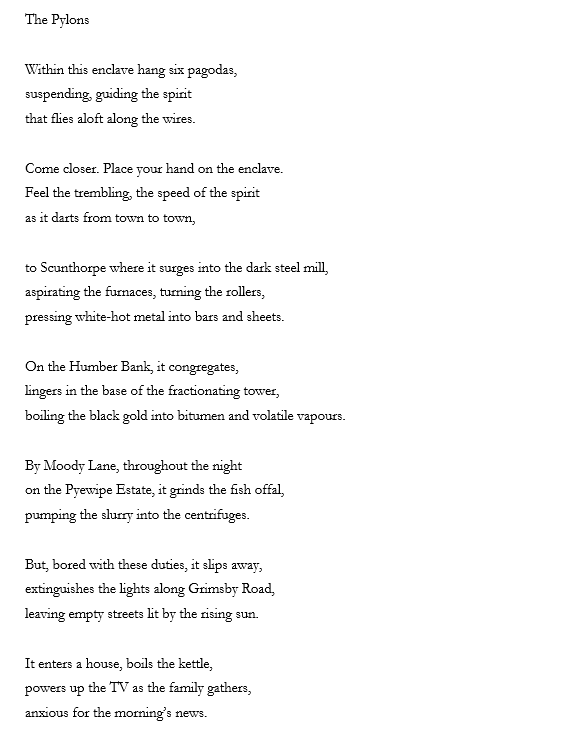
This is the first takeover featuring several members who are sharing a poem, recommending a poet to read and offering some writing advice.
This month I am proud to share the voices of;
GP Hyde Jenevieve Carlyn Leia Butler Merril D. Smith Penny Dedman Andrew Williamson
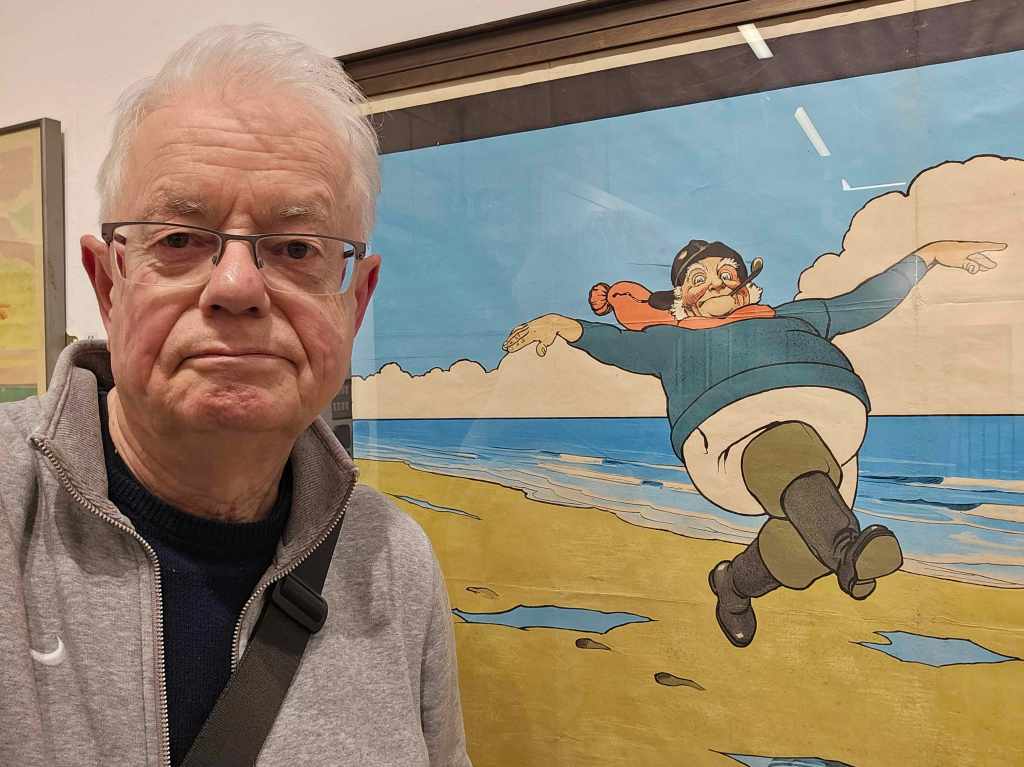
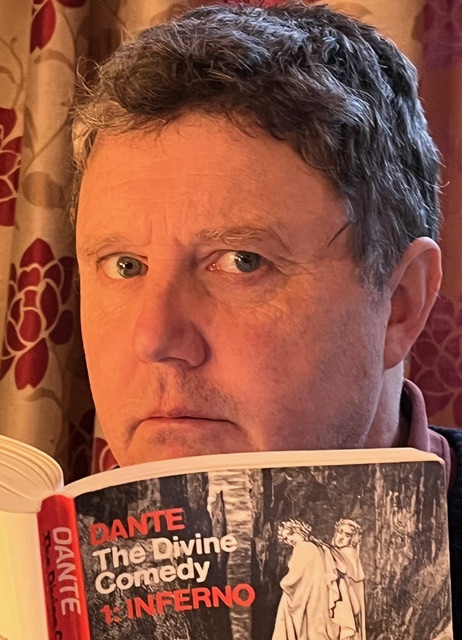
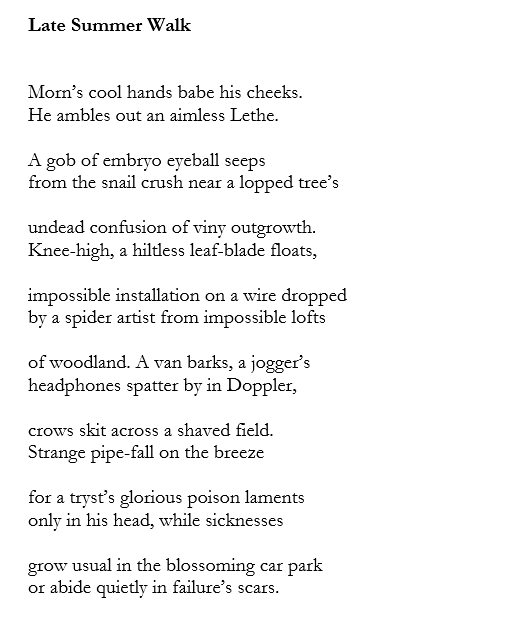
GP Hyde was born on the Wirral and now lives in Grimsby, North East Lincolnshire, UK. He studied fine art at Goldsmith’s College and at the Royal Academy Schools. He has worked in theatres, art centres and community arts as a performer, writer and production manager for 14 years before working as a lecturer and senior manager in creative arts for 25 years.
His fiction has been extensively published by Pure Slush. His poetry has been published by Broken Spine, Black Bough Press, Underbelly Press, Hedgehog Press, voidspacezine, the Dark Poets, Bent Key, Lincs & Ink, Underbelly, the Starbeck Orion and Full House Literary.
He has been nominated for a Best of the Net award and longlisted for the Bath Novella-in-Flash award. His radio drama ‘Michael and John go to England’ was longlisted for the BBC’s Alfred Bradley Prize.
It’s all about application – apply backside to chair and fingers to keyboard.
Poetry Recommendation:
John Hollander’s Rhyme’s Reason, a guide to English verse – Yale University Press Fourth Edition 2014
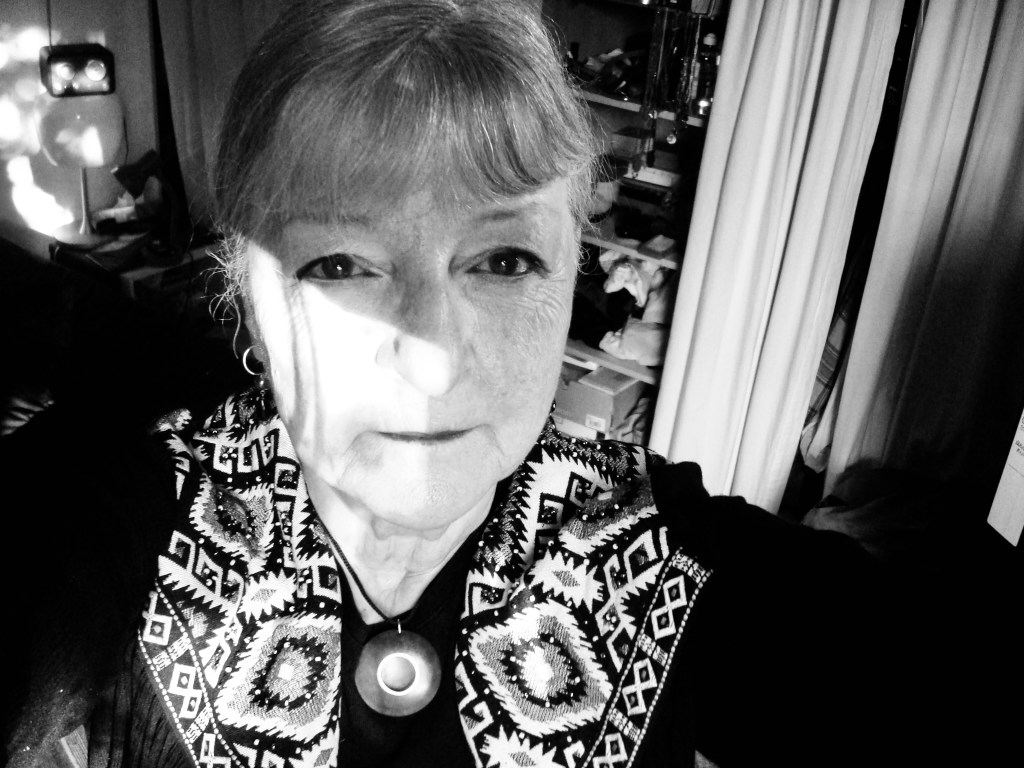
Jenevieve Carlyn is a poet and historical writer in New England. Her poems have been published or are forthcoming in The Examined Life, Parabola, River Heron’s “Poems, for Now,” Sage Magazine from Yale’s School of the Environment, The Madrid Review, Relief, and elsewhere, including the anthology In the Garden: Community Storytelling on Food, Ecology, & Place (Torrey House Press).
She won the 2023 Thomas Merton Prize in Poetry of the Sacred and the Connecticut Poet Laureate Award for Eco-Poetry, was a finalist for Palette Poetry’s 2025 Love & Eros Prize, was shortlisted in the Artemesia Arts Contest, and highly commended in Mist & Mountain’s Competition on the 2025 theme of Peace.
Links: website: jenevievecarlyn.com
Social Media: Bluesky: @coastalpoet Substack: @coastalpoet IG: @coastal_poet
Writing Advice:
Whether on the page or in everyday life, let yourself move between silence and self-expression. They both have something to offer.
Poetry Recommendation:
An American Sunrise by Joy Harjo. When my mind feels distracted or I am lost in abstraction, the immediacy of Joy Harjo’s poetry brings me back to sensory engagement. Words come alive again.
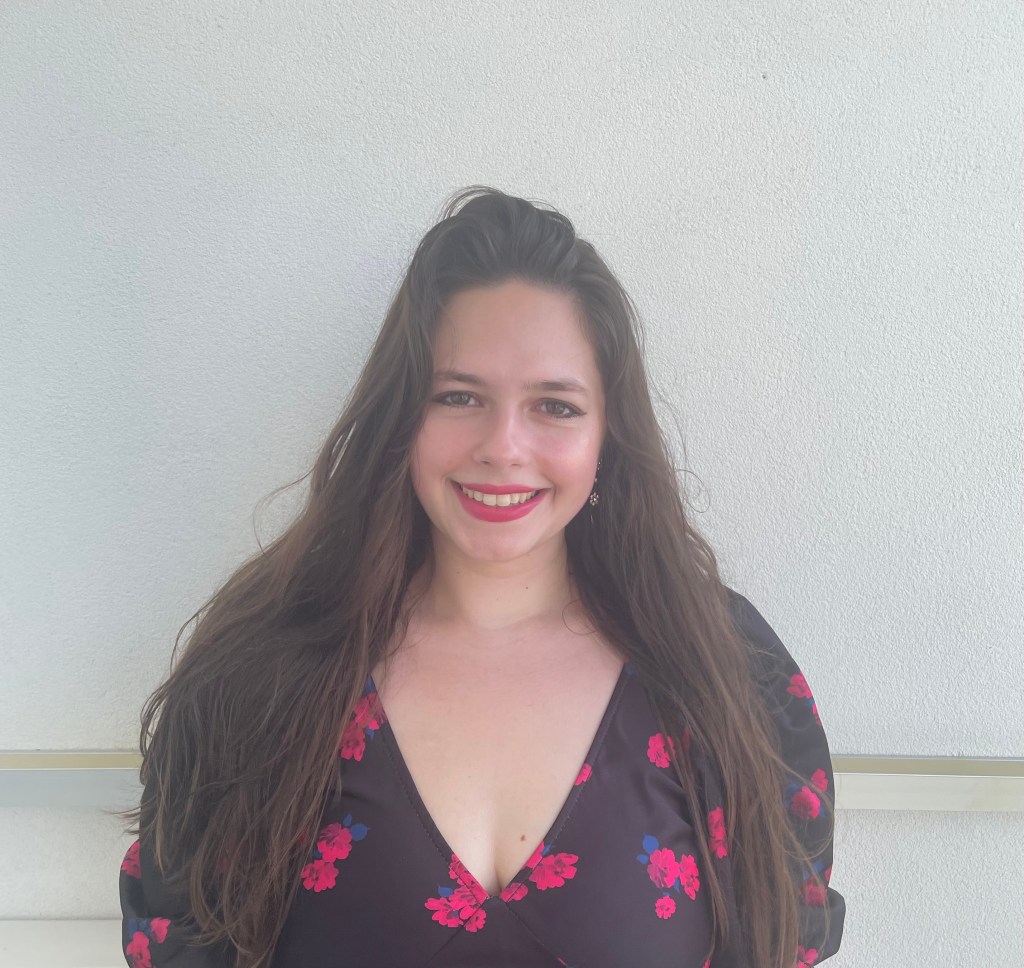
Leia Butler is a writer and creator from London. Her poetry can be found in Streetcake Magazine, Permeable Barrier, Atrium, Aswirl, Fawn Press, The Unwhispered Legacy Anthology, and After Poetry.
It’s always worth experimenting and playing around with your language, form, and spacing. Even if you have a few different variations, you might discover something special!
Poetry Recommendation: One of the first poets I read was Nikki Dudley, who is an amazing champion for experimental and bold writing. Her poetry is incredible and has forever shaped the way I write.
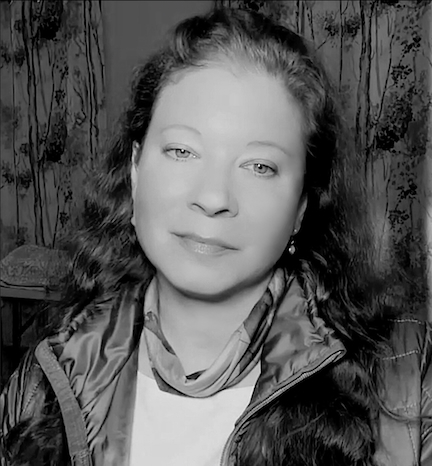
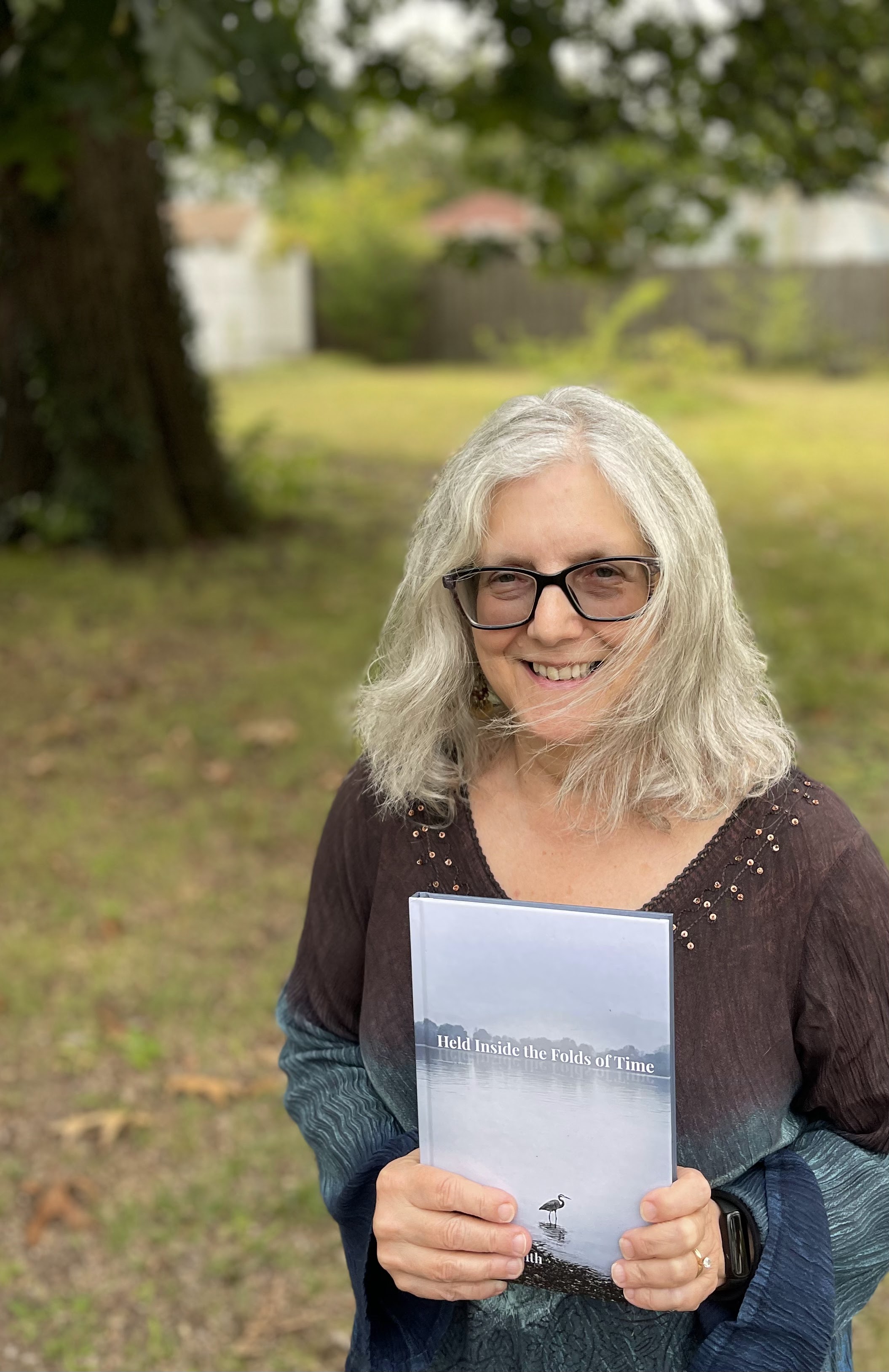
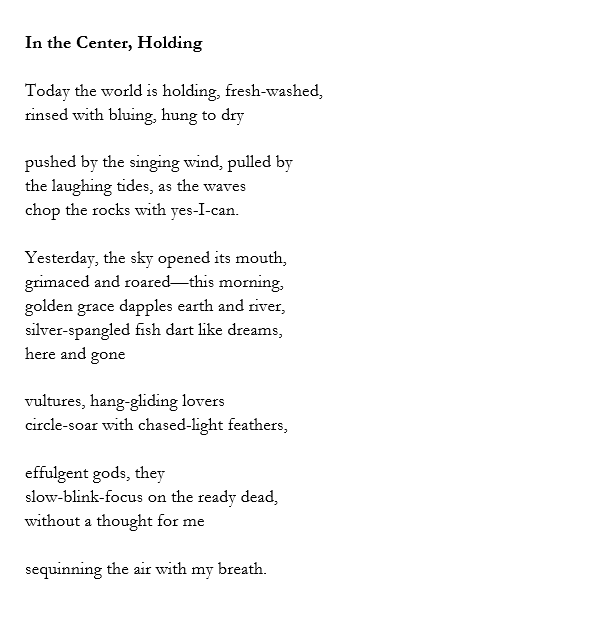
Merril D. Smith is a Pushcart and Best of the Net nominated poet. Her second collection, Held Inside the Folds of Time (Jane’s Studio Press) was published in 2025.
Her first full-length poetry collection, River Ghosts (Nightingale & Sparrow Press) was Black Bough Poetry’s December 2022 Book of the Month.
Social Media: Bluesky: @merrildsmith.bsky.social; IG: mdsmithnj
Writing Advice:
I think it’s very important to read widely and to interact with other poets/writers to see how they approach topics, forms, syntax, vocabulary, and space on a page simply to open your own mind to possibilities.
Poetry Recommendation:
I can’t speak for everyone, but I return again and again to Sarah Connor’s work. I wrote the book blurb for her Always Fire, her final book, published by Sidhe Press. ” . . .the poems sneak up on you, gently grazing your skin and grasping your heart.”
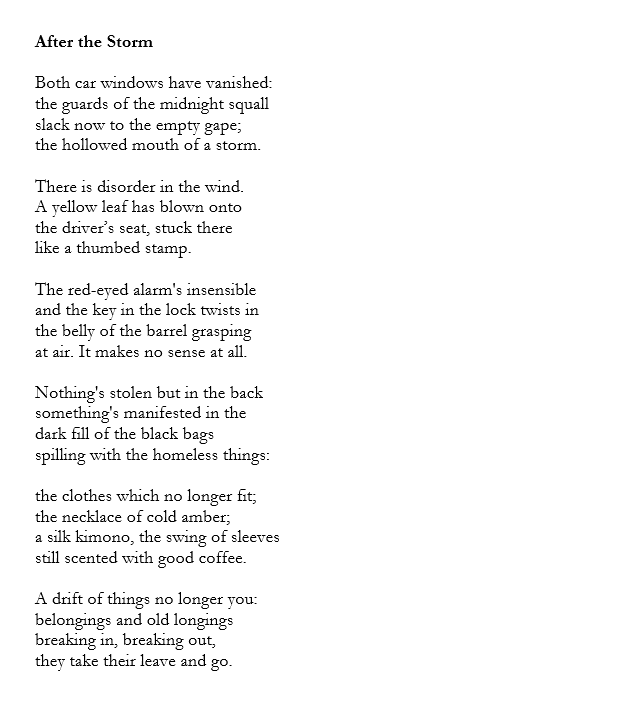
Penny Dedman lives in Edmonton Green with 2 cats 3 Masdevallias and 6 Pungas.
Poems published: Broken Spine’s ‘Glow’ anthology 2025, Urban Tree Festival poetry 2022, Fresher Publishing’s ‘Waves of Change’ and ‘Glean and Graft’ 2021. Artemesia shortlisted 2023, Bridport longlisted 2021 and ’22. … and there’s something coming which I can’t mention yet!
Social Media Bluesky: @spanishtom.bsky.social IG: @pennydedman Substack currently under construction!
Writing Advice:
Even poems have internal logic.
Poetry Recommendation:
Bex Hainsworth – in particular ‘Walrussey’. (published by Black Cat poetry press)
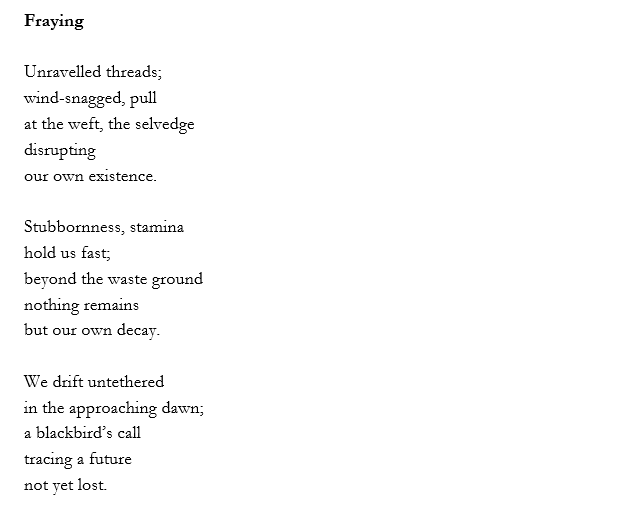
Andrew Williamson’s writing crosses emotional geographies, drawing on relationships, coastlines, landscapes and cities.
From Aotearoa New Zealand and based in the Isle of Skye, he has published three collections, the latest, Through Salt-Heavy Seas, in 2025. His work has appeared in journals and anthologies in Aotearoa, the UK and the US.
Welcome to The Book Bag Poetic Voices. As this month marks the first year anniversary of the Poetic Voices feature, I thought I’d do a small retrospective and share of one poem per poet from the past year.
Echoes if you will.
To say I am delighted how the first year has gone would be an understatement. Reading, sharing and nominating poems to be recognised has been a massive highlight for me. The fact that I have been able to spotlight poetry icons who have been so kind and forthcoming with their work has been an absolute joy. The variety of work has been broad but the quality has been consistently excellent. My thanks go to all those who have trusted me with their work from poets to presses and everyone in between.
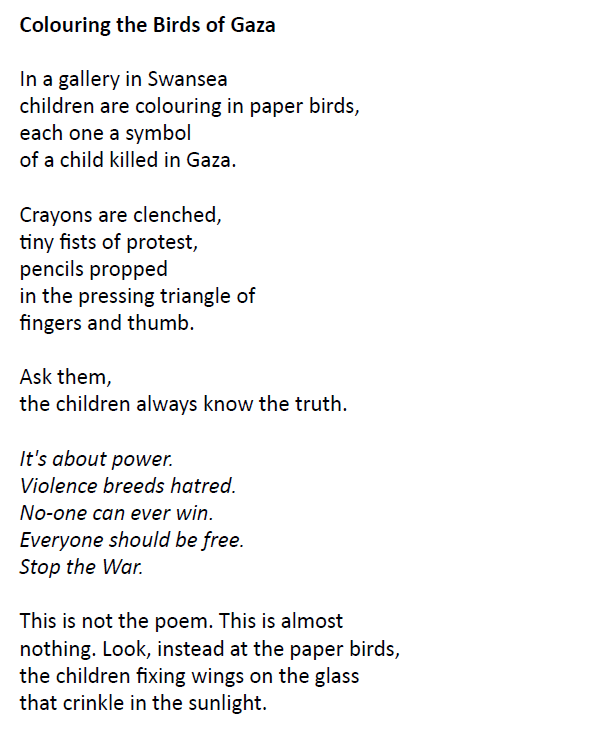
In June, I featured Matthew MC Smith as the inaugural Poetic Voice. I am sharing this poem from his feature, which was also nominated for a Forward prize.
In August 2025, I was thrilled to celebrate and share pages from A Hobby of Mine by one of my poetry heroes Rishi Dastidar (available here). This is from page 9. The book is a list poem, underpinned by subversive humour.
Credit: Naomi Woodis
In September I was honoured to spotlight work from Beast by the tremendously talented and kind icon of poetry Pascale Petit. The following piece is The Lammergeier Daughter. You can buy Beast from Bloodaxe Books here.
Credit: Derrick Kakembo
I’ve ordered Carson Wolfe’s latest book and will be reading it for my regular Book Bag series soon. I was chuffed to have a selection of poems from Carson in October. I am re-sharing this piece which was first published in the Best New Poets Anthology 2024. This is While Wishing She Was Dancing To Kate Bush.
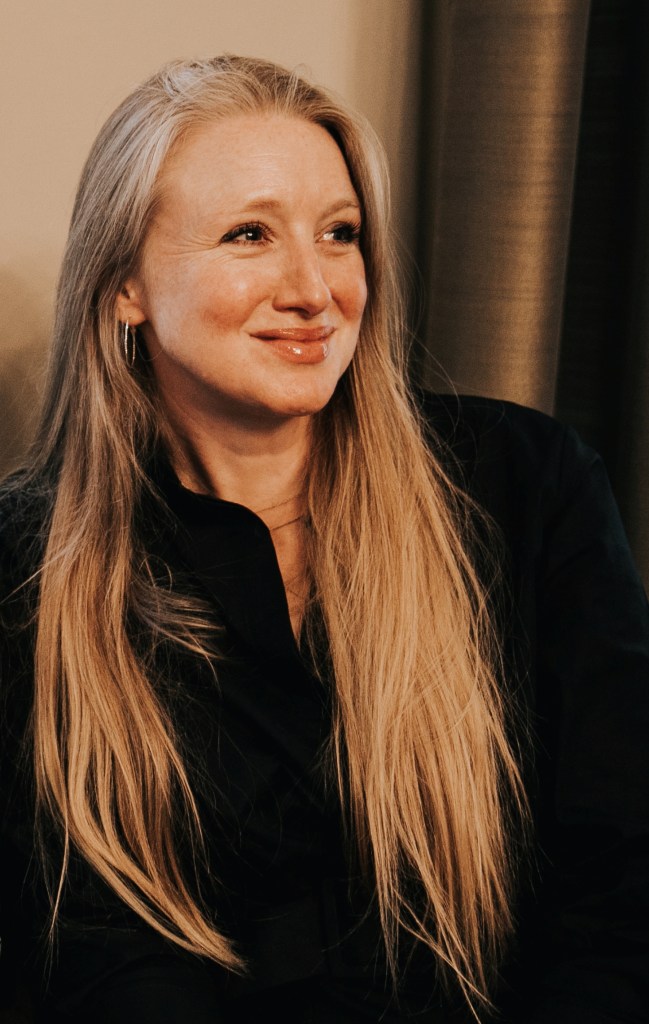
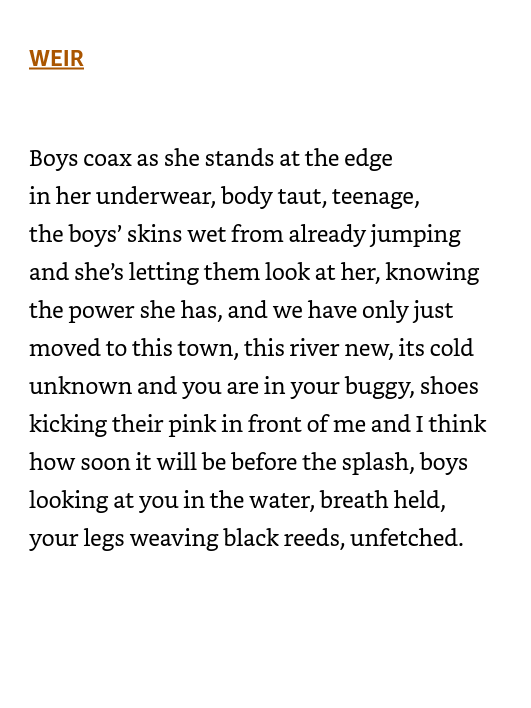
Back in November, I was delighted to share work by the excellent Rebecca Goss from her incredible collection Latch (available here). It is a masterclass on place and identity. I selected Weir as the echo from Rebecca’s feature.
Credit: Natalie J Watts
In December, I shared work from Sculling by Sophie Dumont (available here). One of the main themes in Sculling is how one can live on through a selfless act of organ donation by saving others. Because of this, I wanted to raise some awareness for Organ Donation, which is a vital service that can help save lives. In the UK, information can be accessed here: https://www.organdonation.nhs.uk/.
Credit: Jae Frederick
In February, I was lucky to be able to share some original work from the jocular and charming Paul Connolly. One of his pieces, I nominated for a Forward prize, which I am echoing today, I am always struck by Paul’s use of language.
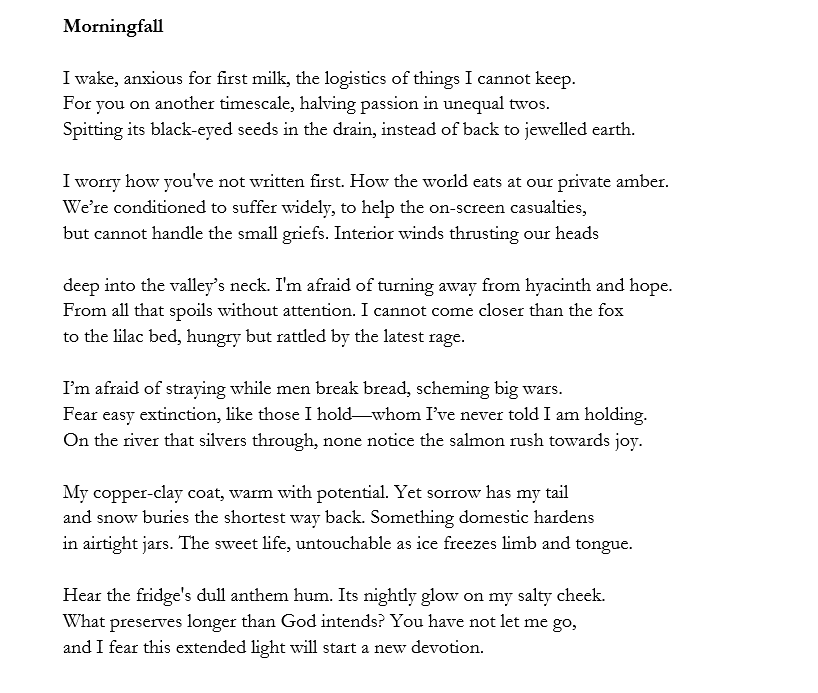
In March, I shared original work from the exemplary Vikki C which resulted in a Forward nomination for her poem Morningfall. So, yes you guessed it…
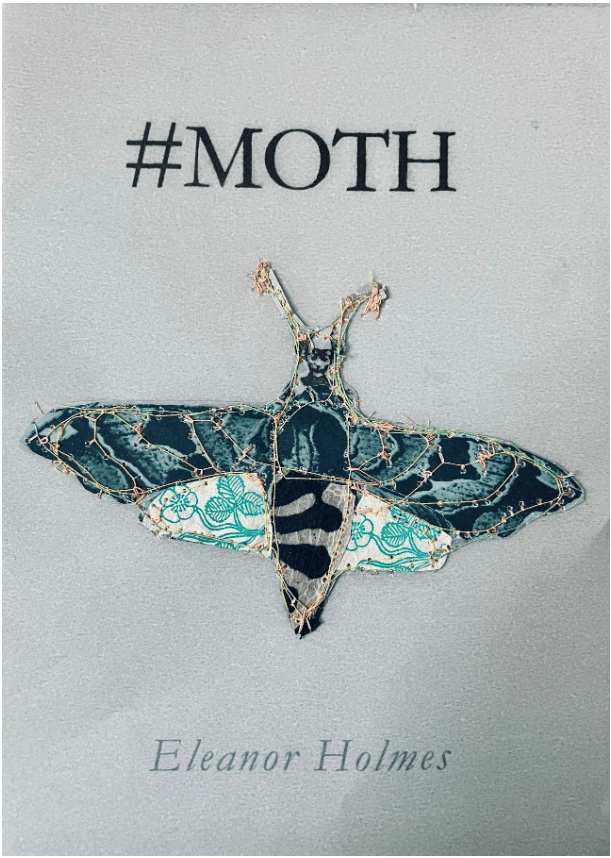
In April, I was elated to be able to share work from #MOTH by Eleanor Holmes (available here) and an original piece of writing. #MOTH is a stunning book and I highly recommend people buy a copy, it is exquisitely produced. For Eleanor’s echo, I am sharing one of my favourites from the book…
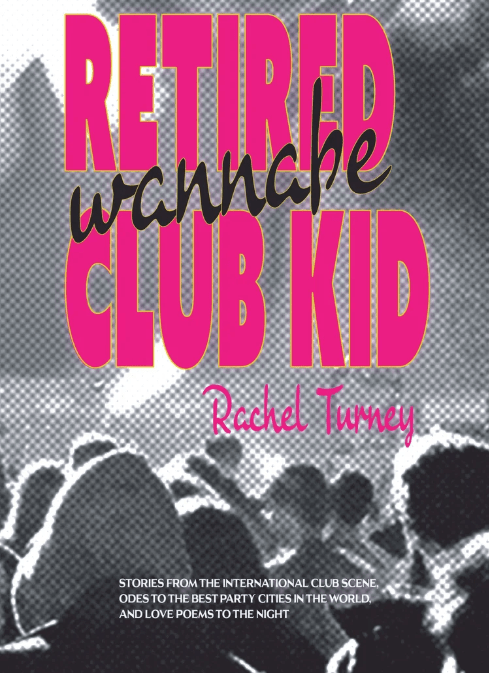
And that brings us to our most recent Poetic Voice, the enigmatic and super busy Rachel Turney who shared original work and pieces from Retired Wannabe Club Kid (available here). Her original pieces were After poems of my work. My ego isn’t that big to share one of those even though they are fantastic. I am echoing this piece which warmed my heart…
So there we have it. If you haven’t read all the Poetic Voices, you can find them here. I can’t wait to share more Poetic Voices from July.
If you can believe it, it’s May. How did that happen? I can’t be the only person who feels like time is running at full sprint? Anyway enough digressing, it’s the first day of the month which means…time to introduce a new Poetic Voice.
I first encountered May’s Poet on social media. Then I read her book Retired Wannabe Club Kid (and offered a blurb) and saw how much she was doing for the international poetry community and I knew I had to include her Poetic Voice in 2026.
Welcome… Rachel Turney.
This month we have poems from Rachel’s collection Retired Wannabe Club Kid (with a playlist), original poetry and an interview.
Rachel Turney, Ed.D. (she/her) is the Writer in Residence (2026) at NKollectiv in Englewood, Colorado. Her poems, research articles, reviews, and drawings can be found in a variety of publications. Rachel is passionate about immigrant rights, teacher support, and empowering other artists. She is a Writers’ Hour prize winner and Best of the Net nominee. Her photography appears on a few magazine covers. Rachel is the founder of the popular online reading series Poetry (in Brief). She is on staff at Bare Back Magazine with her monthly column Friday Night in the Suburbs. She reads for The Los Angeles Review.
Record Player Life with The Poetry Lighthouse – Buy here Retired Wannabe Club Kid with Parlyaree Press – Buy here To Be (a Woman) with redrosethorns – Pre-order here Women Making Soup Together with Vinegar Press – Buy here
In this first instalment of Rachel’s feature I have 3 poems for you from various sections of Rachel’s book Retired Wannabe Club Kid with accompanying recommendations for music (these will be included in the full playlist in the 2nd instalment) as well as a brief Q&A…
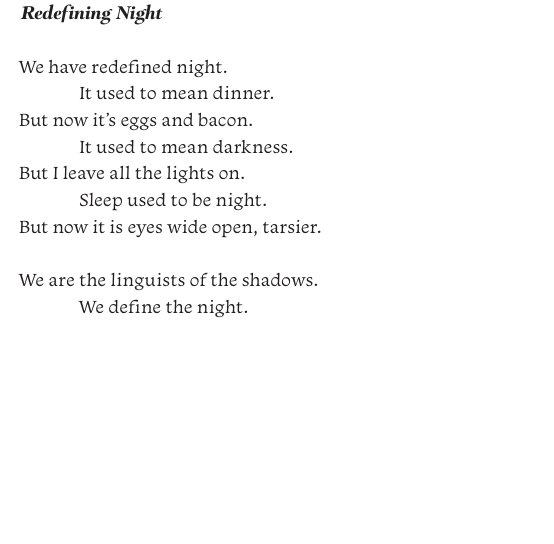
Poem 1 is Redefining Night and it speaks to the raver in me.
Track Recommendations: Beautiful Like Me – Joydrop Seventeen – Ladytron
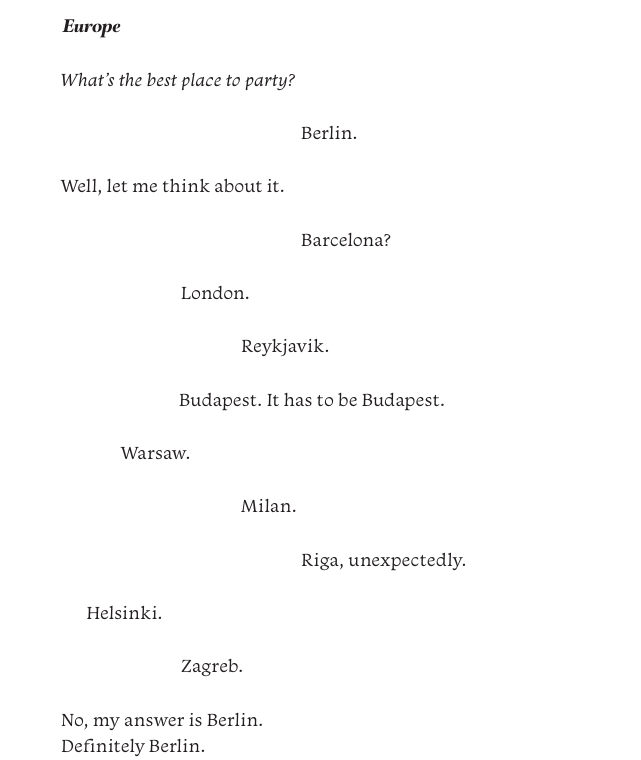
Poem 2 ‘Europe’ takes us on a Clubber’s tour around the continent. It’s made me quite nostalgic…
Track Recommendation: Take Me to the Club – Mannequin
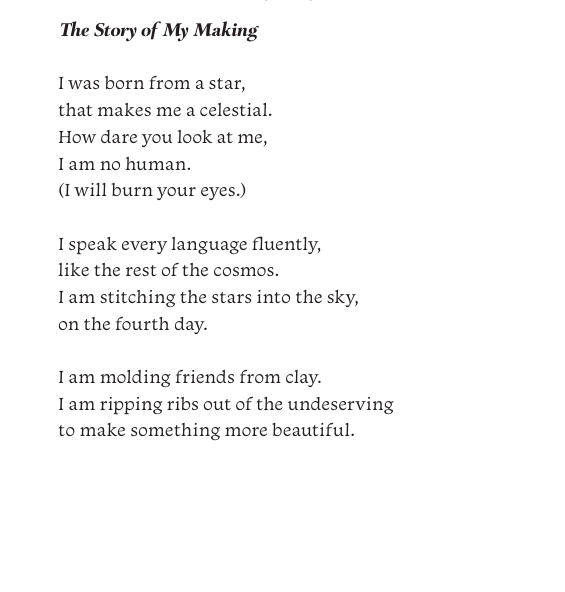
Poem 3 is a cosmic banger of a piece and one of my favourites…
Track Recommendation: What Else Is There? – Röyksopp
I asked Rachel a few questions about her writing…
PS: An easy one to begin with. What made you want to become a poet?
RT: Well, really doesn’t everyone want to be a best-selling fiction writer? But alas it turns out we are the chaotic poet just praying that one person will read our little poems about darkness, night, and maybe aliens. A person doesn’t choose poetry – poetry chooses you!
But really – I started the hobby of writing creatively when I was in elementary school, mostly short stories. I only recently sort of refound writing as a form of expression. I wrote a lot of the pieces in Retired Wannabe Club Kid as EDM lyrics and then I tried to learn how to use GarageBand without any success. I saw a few one woman shows at Iceland Airwaves back in 2019 where musicians looped their own music and sang and I was like damn I wanna do that. I then learned I cannot do that – lol. I tried to employ my father and brother, both exceptionally talented musicians, to help me but they didn’t “see the vision”, if you will. I am still looking for a collaborative partner if anybody reading this is interested.
PS:What is your writing process on a typical day?
RT: If you had asked me that a couple months ago the answer would be totally different than now! I used to have a structured routine, but I have abandoned it. Honestly, I think I got burnt out which won’t be surprising for anyone to hear – I do too much. I’m trying to “create” less. I do try to be true to one thing though – always writing things down. I have little notebooks around the house and some prompt journals as well that I use from time to time. Writing processes evolve and change and I think that’s a good thing.
In April I participated in One Poem Only’s After program, where I wrote a poem each day “after” the poem that was read on One Poem Only. Practices like this can be helpful as long as they aren’t forced. I am slowing down as a writer and trying to focus more on my reading series Poetry (in Brief). In fact, now is a great time to announce that I am starting a magazine based on my reading series! Stay tuned for more information on that!
PS: Movement and music play a big part in your poetry. How did this influence start and how do you keep it original and fresh in your work rather than making it feel routine?
RT: I come from a family of artists, musicians, and singers. I struggled to find my medium growing up. For a time, I rejected or didn’t honor the art and music side of me. It can be daunting when you are surrounded by talent. What I do have that the rest of my family lacks is fortitude. You can reject my poem 1,000 times; I’ll just keep submitting. I have found that this is necessary in the world of poetry, which is a very subjective art form. I think I have found my place in the art world now.
To the second question – I would like to think I achieved that by compiling all of my poems in this genre of music and movement in one collection: Retired Wannabe Club Kid. This collection is wildly different from the other three I have published. I don’t write in this style currently/anymore. I feel like I completed that work and I have moved to other influences and types of poetry. Right now, I am trying to write more prose and explore new genres like horror, science fiction, and surrealism.
PS: You do a lot of wonderful promotion for the poetry community. Do you have any tips for poets who want to get their work seen by a broader audience?
RT: Read and get involved with literary magazines. Three years ago, I had published literally one poem during the pandemic – a poem which is included in my book coming out on May 13th 2026 – To Be (a Woman). It wasn’t until I started submitting to literary magazines that I gained confidence. Now my work has appeared in hundreds of publications and I have made connections with so many EICs and other poets.
Another way to build connections is to champion the work of others. When I pick up a literary magazine, I read the pieces by the folks I know first and that I chat with on social media. I met most of the people I talk to regularly through my invited reading series Poetry (in Brief). I had a little group of poets I really admired and I thought hey I wanna meet these people, so I started a reading series to connect with others and create a space for community.
PS:Finally, beside you, who are the other poets we should be reading at the moment?
RT: I think a great place to find the freshest voices is through literary magazines! The editors curate their pages usually out of hundreds of submissions and tend to bring a collection of current and necessary poetry. Find a few lit magazines you enjoy, support them, and keep up with their editions. A few magazines I keep up with are Wild Roof, Orange Rose, Moss Puppy, Thorn & Bloom Magazine (by redrosethorns), anything Paul Short is doing – like your anthology Unwhispered Legacy that just came out (nods at Paul), Drip Lit, and so many others!
Instagram accounts I recommend following:
The Poetry Lighthouse publishes new poems directly to their Instagram from poets all over the world. You really get a good sense of what poetry is doing globally if you follow them. @thepoetrylighthouse
Quillkeepers – Stephanie Lamb (EIC) posts her own calls and many others in her stories. She champions the work of others. @quillkeeperspress
Here are a couple poets I keep up with on Instagram and why:
Nana – Nana does interesting things with rhyme and storytelling. I really respect his work. @whatnanawrote
Sandra Beth Levy – She posts her poems and just has a very positive page that uplifts others. @slevy43
And of course, follow me and say hello! @turneytalks
PS: Thanks Rachel. I completely agree with your recommendations and advice.
We’re back for Part Two of Rachel’s feature, sharing 2 more poems from Retired Wannabe Club Kid with suggested track recommendations plus a Playlist full of bangers to get your groove on.
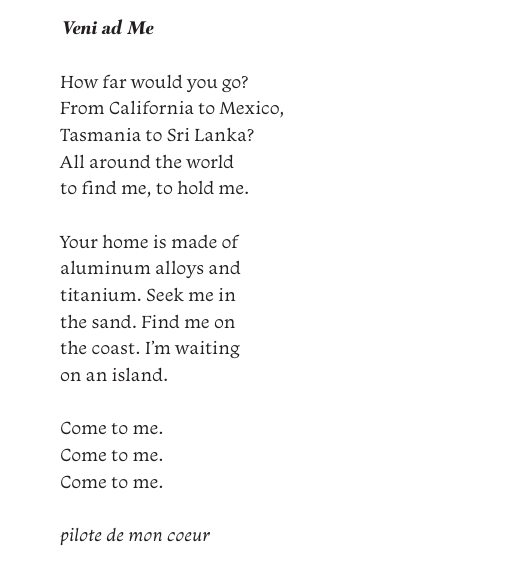
We are jetting off on a global trip this time. This is ‘Veni Ad Me’
Track Recommendations: Running Up That Hill – Kate Bush It Can’t Come Quickly Enough – Scissor Sisters
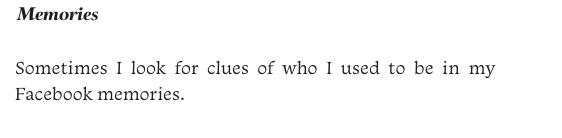
And Poem 5 is jaw-droppingly sharp and concise. It made me look over my social media to see if i could still see the rough edges of me.
Track Recommendation: Memory – Alex Le Mirage
To go alongside Rachel’s excellent track recommendations, here’s a Book Bag Playlist to accompany Retired Wannabe Club Kid. This is not for the faint hearted.
Warning: Prolonged Exposure To This Playlist Will Result in Dancing.
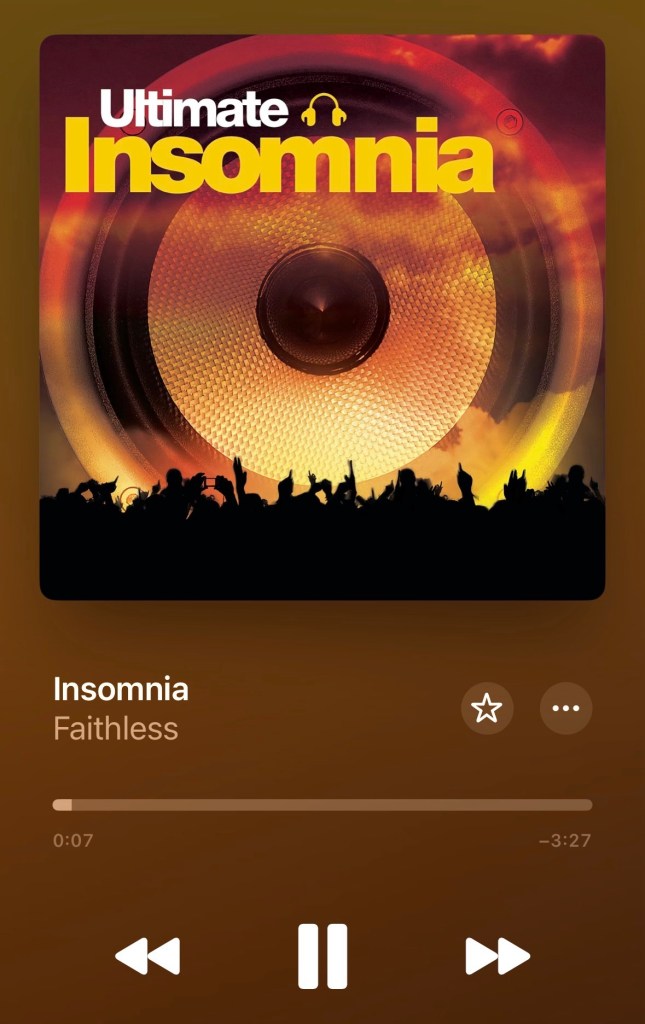
Pacific State – 808 State Voodoo Ray – A Guy Called Gerald Good Life – Inner City What Time Is Love? – The KLF Chime – Orbital Release the Pressure – Leftfield Insomnia – Faithless Leave Home – The Chemical Brothers Breathe – The Prodigy Right Here, Right Now – Fatboy Slim E Talking – Soulwax Another Chance – Roger Sanchez Red Alert – Basement Jaxx At the River – Groove Armada Around the World – Daft Punk Get Get Down – Paul Johnson Lady (Hear Me Tonight) – Modjo Children – Robert Miles Café Del Mar – Energy 52 For an Angel – Paul van Dyk 9 PM (Till I Come) – ATB Punk – Ferry Corsten Traffic – Tiësto Call on Me – Eric Prydz Waters of Nazareth – Justice Zdarlight – Digitalism One – Swedish House Mafia Yeah – LCD Soundsystem And As Recommended by Rachel, Party Monster Soundtrack – Every Single Song
How time flies when you’re having fun.
I hope you’ve all been dancing to the playlist from Part 2 and ordering Rachel’s books!
For Part 3, I am so deeply honoured to share two pieces from Rachel. Both poems are written after two of my own pieces. It is such an incredible feeling.
Thank you Rachel for sharing incredible work throughout May and for your generosity with both time and creativity.
I’m looking forward to the release of your inaugural journal Poetry (in Brief).
Welcome to April’s Poetic Voice. Yes April! You won’t find any fools here though. You will find this month’s incredible poet.
I first encountered them on social media, responding to the same prompts as me. I was impressed by their language and their subject matter. It was at a couple of open mics I first heard their moth poems…
And this month’s feature is jam-packed. Not only do we have a selection of poems including pieces from their new pamphlet releasing in April but also an interview…
Without further ado, this month’s Poetic Voice is Eleanor Holmes.
Eleanor Holmes (previously writing as Eliot North) is a neurodivergent mother-doctor-writer of prose, poetry and hybrid. Originally from Bristol in the UK, she has spent her life exploring different cultures and countries, loves to collaborate with other creatives and has a life-long obsession with illustration, printmaking and beautiful handmade books. She lives with her son and husband in Valencian Country, Spain, and works as an NHS GP in Weston-super-mare. Widely published in print and on-line, she was commended in the National Poetry Competition 2014 and shortlisted for the Bridport Poetry Prize 2025. #Moth is her first hybrid collection.
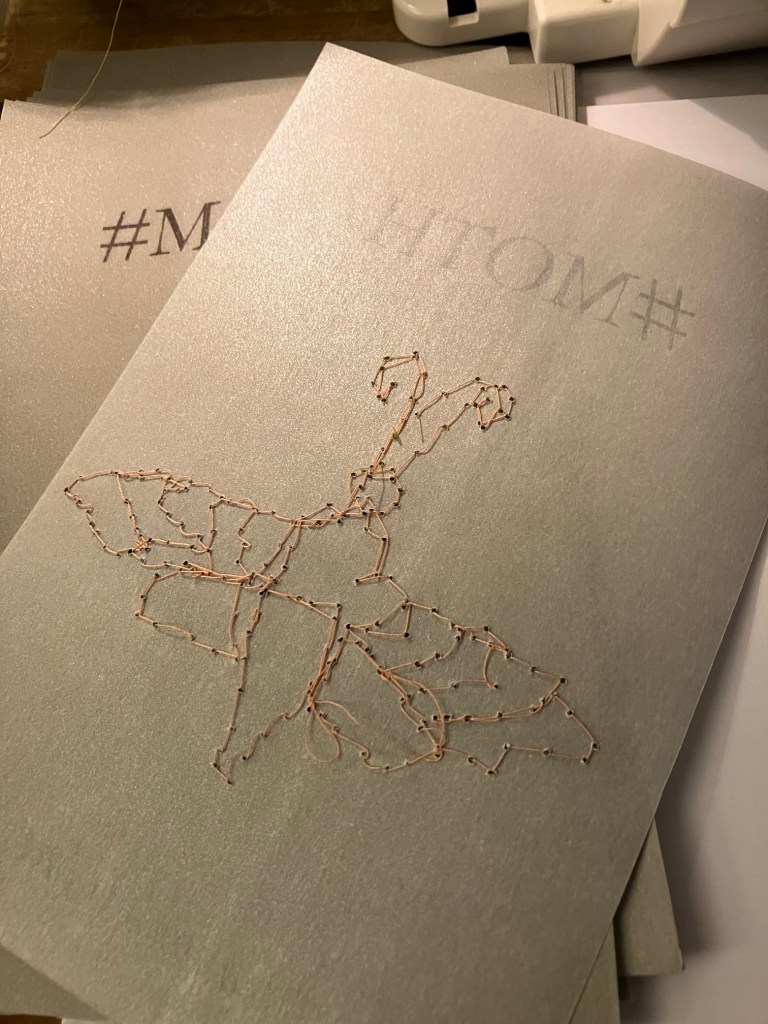
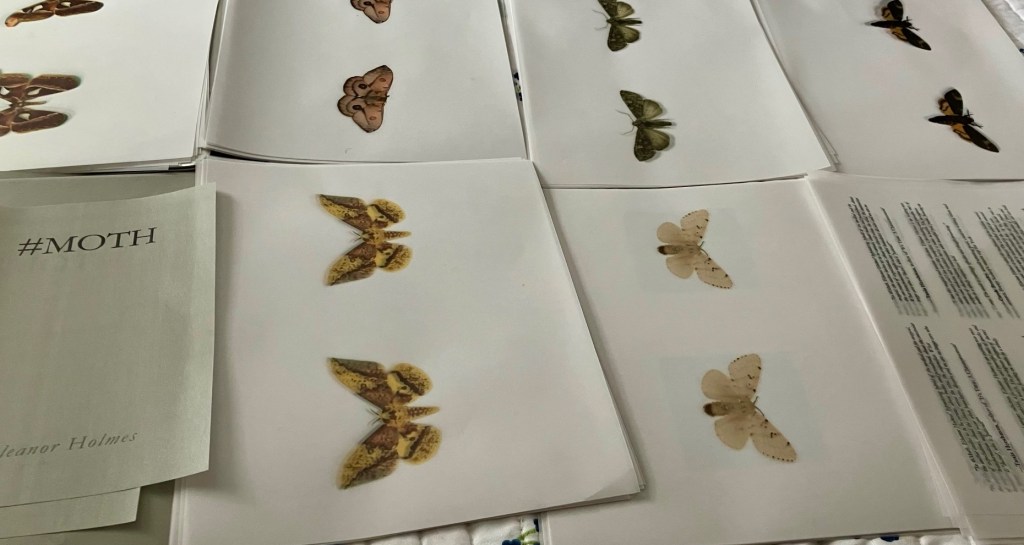
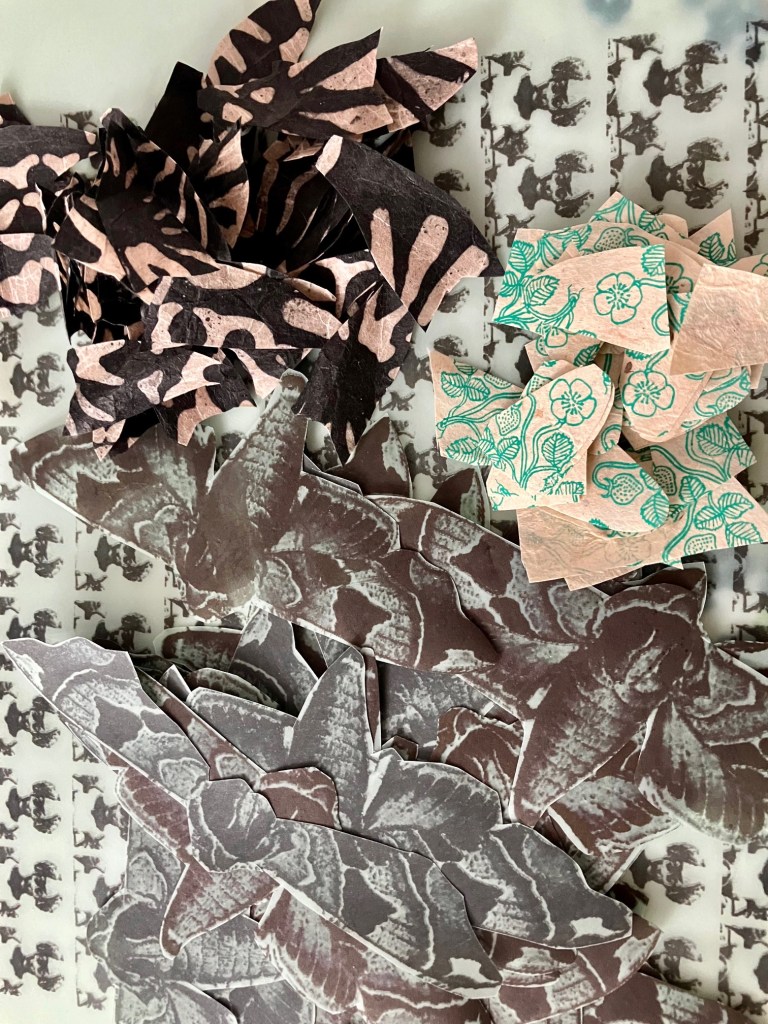
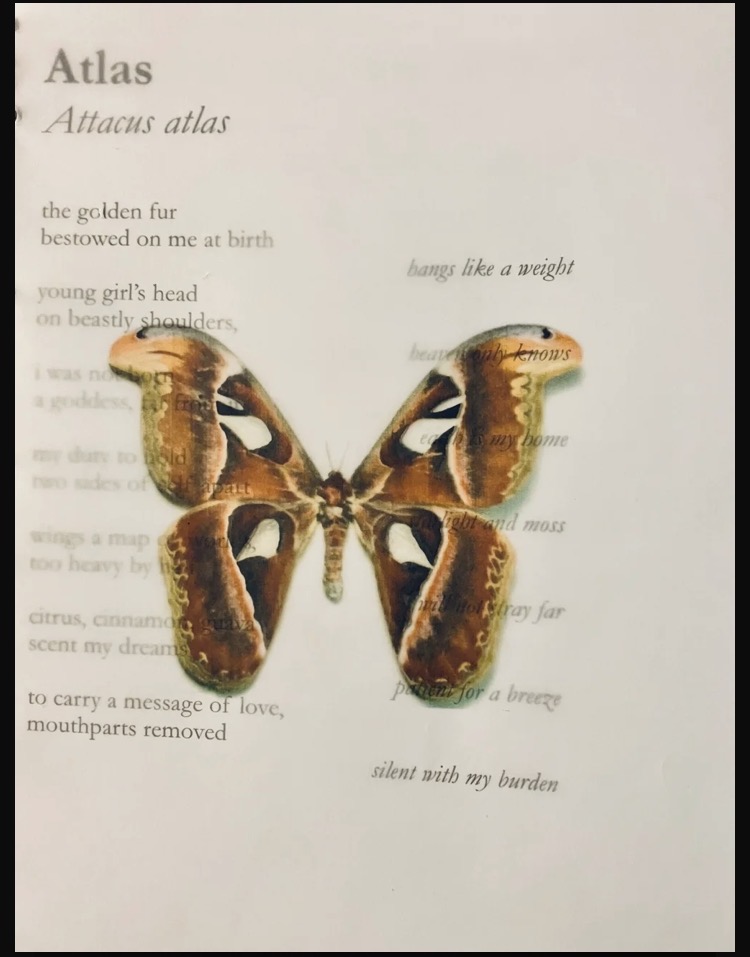
For the first part of the feature, we have a piece from #Moth, which can be ordered from Ethel Zine here. The books are handmade and have an incredible quality to them as you can see from some of the images below. A massive round of applause for Ethel for the amount of effort they make in their publications.
Eleanor has also treated us to a recording of ‘Trap’, one of the poems from the collection which is accompanied by harp. Listen here.
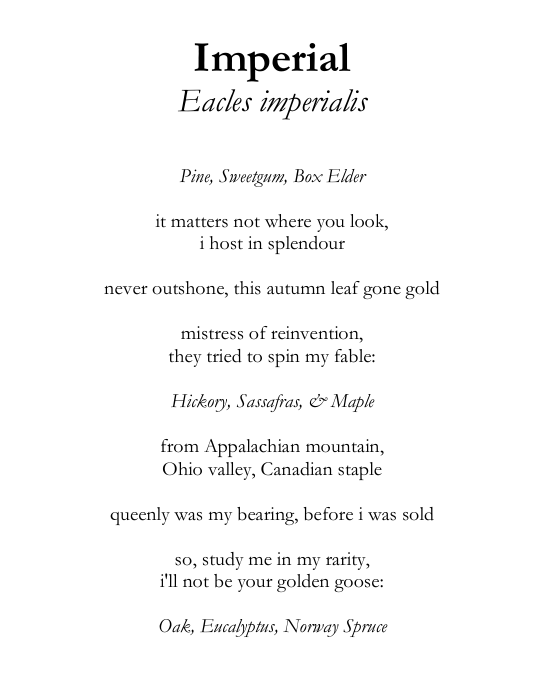
This brings me to Eleanor’s first poem. Imperial. This is one of my favourites from the collection for its multi-sensory feel.
A Few Questions and Answers from Eleanor on her Writing Process
PS: Eleanor, what was the inspiration for #Moth?
EH: #Moth started life in a Tania Hershman workshop ‘Hybrid Writing: Unbox Your Words’ back in 2021. The whole course was focused on ‘hybridity’ in terms of theme as well as form.
Tania had us coming up with all sorts of ‘Chimera-like’ ideas, using scientific text exploring genetics and chimerism as inspiration, as well as myth and imagination. The idea for my main character ‘Vadoma’, a moth-woman hybrid, came from this start. Many of the poems in #Moth weave the natural history of moths with the personal narrative of my main character, with a sprinkling of magic realism.
Tania’s hybrid writing technique or ‘mash-up’ approach to different writing styles resonated with me. Taking scientific texts, adverts, images, shopping lists, fairytales, procedurals, forms (anything goes) and mash it, cut it up, splice it with something else entirely. I don’t like to be pigeon holed, in life and in my writing, and this approach made sense to my neurodivergent brain.
I’ve been both fascinated, and equally dismayed, by the language of medicine over the years. When I studied psychiatry as a student, terms like ‘word salad’, ‘knights move thinking’ and ‘flight of ideas’ that are used to describe formal thought disorder really got my brain humming. The idea of ‘punning and rhyming’, ‘pressure of speech’, use of ‘neologisms’ being a sign of mania or psychosis, and that looking for these formed part of the traditional Mental State Examination (MSE), really intrigued me as I thought to myself: these are all things I have experienced to some extent, they form the basis of so much creativity, performance, poetry particularly.
In saying this I don’t wish to minimise the impact of serious mental illness. I believe good psychiatric care and mental health service provision saves lives. It is more an observation that in medicine the ‘them and us’ narrative serves no one.
In writing #Moth I aimed to take the language of medicine apart; examine it and twist it to shine new light on it. I wanted to explore: ‘what is normal’ and examine the power imbalance inherent in the way medicine operates, and then I wanted to try and flip the narrative. Tania’s course provided me with both the inspiration and the hybrid writing techniques to start this process.
PS: What does your writing process typically look like?
EH: I call myself a ‘magpie writer,’ my brain is constantly looking for the next shiny thing to latch on to. Scraps of speech, my son and I walking to school is a fabulous source of material just now: a six-year-old’s imagination knows no bounds and veers between the delightfully surreal and completely matter of fact.
This chatter with my son and observing my surroundings, little things glimpsed in the everyday, like a cormorant gliding by on my walk home, or a pearlescent piece of shell on a beach keeps my creative brain buzzing. Living in Valencian Country in Spain, where my husband is from and my son was born, is a gift for a writer noticing the ‘unusual’ in my surroundings, immersed in a different culture, language and landscape. This combined with the endless mine of creative material that is my memory, especially of childhood, means the ideas never stop coming. Pinning them down, crafting them, that’s the tricky part.
I make notes on my phone when I’m walking, or when I get home, or before I go to sleep. I collect scraps of things and then try and make sense of them as a whole, stitching words together, moulding them into something new. There never is a ‘this is a poem’ or ‘prose piece’ in the way I approach writing these days, it tends to just come out like a block of text or stream of consciousness. Form, or thinking about form, tends to come later in the process, when I’m trying to make sense of what material I’ve got. That said, I wrote a sestina recently in a Kim Moore and Clare Shaw workshop, and it led me somewhere unexpected which was fun.
I’ve always been an outsider, as a child I was pretty much mute and always observing. I learned to mask this, to function ‘better’ in a world that expected more from me. In medicine I was definitely an outsider as well, but I found my tribe of other ‘odd ball’ creative medics along the way. It is only in perimenopause, and as a woman who gave birth later in life, that I’ve realised how much of the way my brain works and my inherent need to create, is linked to my own neurodivergent thinking.
PS: Your background is in medicine which requires a use of clinical language, how do you arrange the precise clinical language versus the poetical in your mind when crafting your work?
EH: This is a really interesting question, because often I don’t think my clinical language is precise. It clearly is in some ways, has to be, in that there is an expected way that clinicians communicate with each other and diagnosis at its core is based on communication and taking a ‘history’.
The whole language of western medicine, the historical context and assumptions, all the inherent problems I just discussed above are stitched into the way we communicate as clinicians. We learn this language from day one at medical school, and I’ve often said as a medical educator, through this process we almost teach students to become worse communicators as a result. A situation that then means you can spend your whole career attempting to undo that learned reductive way of thinking and speaking (or not, depending on the clinician!)
Now as an adult, living in a country where my mother tongue of English is not the spoken language of the day to day, I am learning first-hand how hard this is to navigate. The jumble in my brain is often utterly exhausting and many times my ability to communicate totally falls apart. Add to this my husband’s mother tongue is Valencian (Catalan) and I’m trying to learn Castilian (Spanish) at the same time, then all sorts of scales have fallen from my eyes, particularly about the privilege attached to being a white, native English speaker (but also the lack that being monolingual inherently represents.)
For me language, and so poetry, is playful. In my communication with patients as a GP, I have to actively check my use of ‘medical language’ or jargon when I’m speaking to people, these days mostly on the phone working remotely from Spain. This isn’t that hard to do these days; I find communicating with patients a real joy when I can match or mirror language used and explore shared experience and common ground. Creating connection and trust is one of the most, if not the most, important thing in my medical practice. Without it, I wouldn’t be able to achieve anything as a doctor, well nothing positive anyway.
So, to actually answer your question, I don’t think my clinical language is precise, or that my poetic language is not precise. In some ways maybe it’s the reverse? The two are inseparable. I find the poetic in medicine, because people are messy and endlessly surprising. Poetry is precise, condensed, intentional; much more so in some ways than my clinical language which has become like driving a car, or shorthand. Creative writing for me breathes life into my learned medical language, it allows me to play with it, see the possibilities outside the clinical, then hone and hone and hone to become something else entirely.
Words matter way more than we are given to believe at medical school. Poetry, amongst other things, has helped me to see this more clearly.
PS: What piece of advice would you give to poets?
EH: I would say don’t be too hung up on writing ‘poetry’, just write. That first outpouring on the page, and the flow state I find with creating anything, is such an absolute pleasure and catharsis for my busy brain. It doesn’t have to go further than this, but also it can!
There are many ways to approach poetry and creative writing, and there is as with any creative process, a craft to be learned. My advice, as so many have said before, is read, and read a lot! Read for pleasure but also start to take note and pull apart what someone is doing when you really connect with their work. This has helped me enormously to start to pay attention to what a writer is doing in a text and then thinking ‘how did they achieve this?’
For me attending lots of workshops with great writers I admire has helped loads and broadened my reading and introduced me to new writers and creatives. This doesn’t need to cost a lot, and on-line works really well for me in terms of flexibility around family life (see January Writing Hour with Clare Shaw and Kim Moore.)
Connecting to poetry communities on social media like #poemsabout and #promptcombo on Bluesky and @TopTweetTuesday on X is also a great way to write more and receive feedback.
Reading your work aloud at open mics (see Paul’s excellent Book Bag open mic), connecting with other writers and building a trusted group of fellow creatives you can share your work with, and expect and give honest and supportive feedback to, has been essential for my development as a writer.
This and approaching established writers whose work you love for mentorship – big shoutout to Carole Bromley and Rebecca Goss – who have both helped my craft and confidence enormously in the last year.
PS: Finally, after reading #Moth, who else should people be checking out?
EH: If you like the hybrid nature of this book, then Tania Hershman is ‘The Queen of Hybrid’ and her latest book ‘Time: a Cronomemoir’ is out with Guillemot Press. The serialised audio of this on Tania’s Substack is ace, as well as her back catalogue of work on her website. Tania is a huge inspiration and a really fab workshop facilitator as well. https://taniahershman.com
I have become a bit of a fan girl of Nina Mingya Powles. How her writing spans all forms and genres and embraces hybrid. I would start with her marvellous ‘non-fiction’ essay writing. Being a foodie, I especially loved ‘Tiny Moons’ with The Emma Press, as well as her latest collection of poetry ‘In The Hollow of The Wave’ with Nine Arches Press. Her blog Crispy Noodles is ace and always makes me marvel at her writing as well as making me hungry. https://ninamingya.substack.com
I love any writer who embraces play and was alerted to Jon Stone and the concept of ‘Ludokinetic Poetry’ when he wrote a Poetry Society piece for National Poetry Day on a poem I wrote years ago called ‘The Crab Man.’ Jon’s website is a rabbit hole of invention that I could happily spend hours exploring. https://www.gojonstonego.com
Definitely check out Elizabeth Osmond‘s forthcoming debut poetry collection ‘Hatchery’ coming out with ‘V. Press’ late this year: a magical weaving of Beth’s neonatology consultant background, the history of this medical discipline, as well as the realities, joys and heartbreak of working in care and the NHS. This is a poetry pamphlet not to be missed! @bethosmond.bsky.social
For sheer artistic brilliance check out Sarah Raybould whose work spans filmpoetry, musical composition, performance, spoken word, visual art, dance and hybridity of all kinds. Sarah’s latest filmpoetry compositions with ‘IceFloe Press’ and ‘Ink, Sweat & Tears’ are stunning. She will also feature in Black Bough’s Silver Branch Series soon, so don’t miss that. @raybould_drs on X
I could go on, there are so many fab writers out there on social media, on-line and in print publishing, as well a whole host of fabulous independent presses, of which Ethel Zine is one that I particularly admire. Those writers mentioned above are all quite different, and a mere toe-dip into the pool of poetic creativity I see around me.
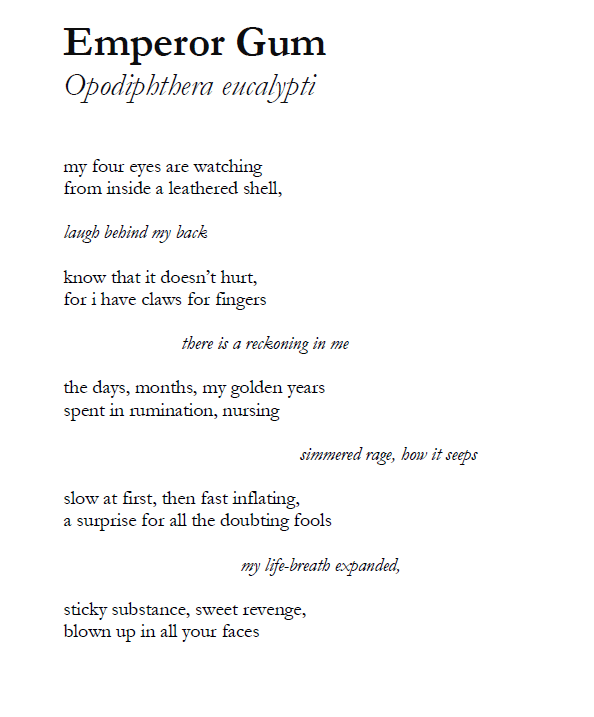
#Moth truly is a fantastic and special book. I’m thrilled that Eleanor and Ethel Zine vision was realised in the production of #Moth. ‘This second poem ‘Emperor Gum’ is another of my favourites.
If you’d like to attend the #Moth online launch happening on Sunday 19th April, click here for full details and to grab your free ticket. It’s going to be a marvellous event.
On Sunday, I had the pleasure to read at Eleanor’s launch of #Moth, expertly hosted by Eleanor’s good friend Rachel. It was a terrific evening filled with poetic bonhomie.
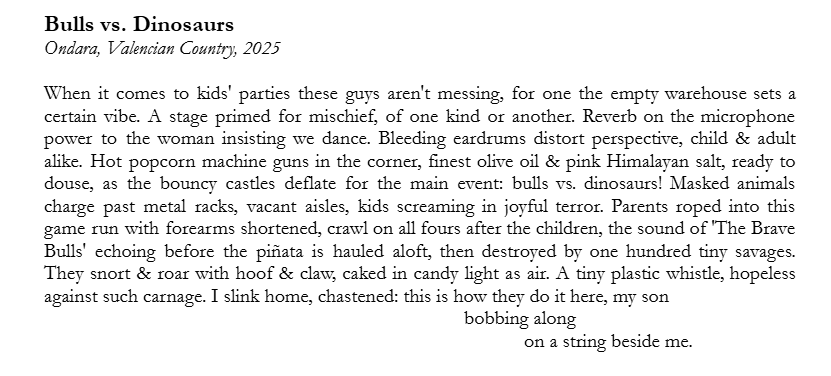
This, Eleanor’s third poem is not from #Moth but is a sweet and happy prose piece called ‘Bulls vs. Dinosaurs’.
Book Bag Mini – #Moth
On the final day of April, here’s a parting gift for this month’s Poetic Voice, Eleanor.
I don’t want to give too much away. There is a narrative thread that weaves its way through this hybrid collection that would be a great addition to all poetic’s bookshelves.
Eleanor opens the collection with ‘Trap’ (you can listen to the recording above) drawing you in to a metamorphic world. The interspersing of medical settings with the appearance of several Moth character poems gives the book adds a mystical dimension. Emotion is never far from the surface and readers are allowed time to consider every poem before moving to the next piece.
Form and language are played with throughout. Some are conversational, some are prose, there are brave formatting choices.
I will also mention the outstanding quality of the book. The fact they are all handstitched and have incredible design aspects is a testament to the collaborative relationship between publisher and poet. Ethel make exceptional products.
My favourite poems are the two that featured right here, ‘Imperial’ and ‘Emperor Gum’ but I also must give a shout out to ‘Atlas’, ‘Death’s Head Hawk’ and ‘Speech’.
Catrin Finch – The Elfin Knight Björk – All Is Full Of Love Alela Diane – White As Diamonds Swedish House Mafia – Moth To A Flame Julianna Barwick – The Harbinger Alice Coltrane featuring Pharaoh Sanders – Isis & Osiris Foo Fighters – Learn To Fly
Welcome back to The Book Bag. I hope you’ve had a poetic week.
It’s been a couple weeks since I posted in The Book Bag, but I am back.
I’ve been busy with plans for 2026, finalising the anthology that will be launched on 31st March, submitting pieces and arranging Poetic Voices features for the coming months. I’ve also been lucky enough to host another Open Mic which was an amazing and intimate session.
Another good thing I got to do was nominating Matthew MC Smith, Paul Connolly and Vikki C for the Forward Prize. It’s a privilege to be able to give further recognition to such deserving poets.
Aside from that I’ve been lucky to see a sapling from the felled Sycamore Gap, a true symbol of resilience. I’ve also been on a mini-break including a visit to Bamburgh Castle, some time on the North Sea and a trip to Woodhorn Museum. I also attended a terrific talk by Rachel Joyce at the Alnwick Storyfest.
On top of that, I’ve been reading;
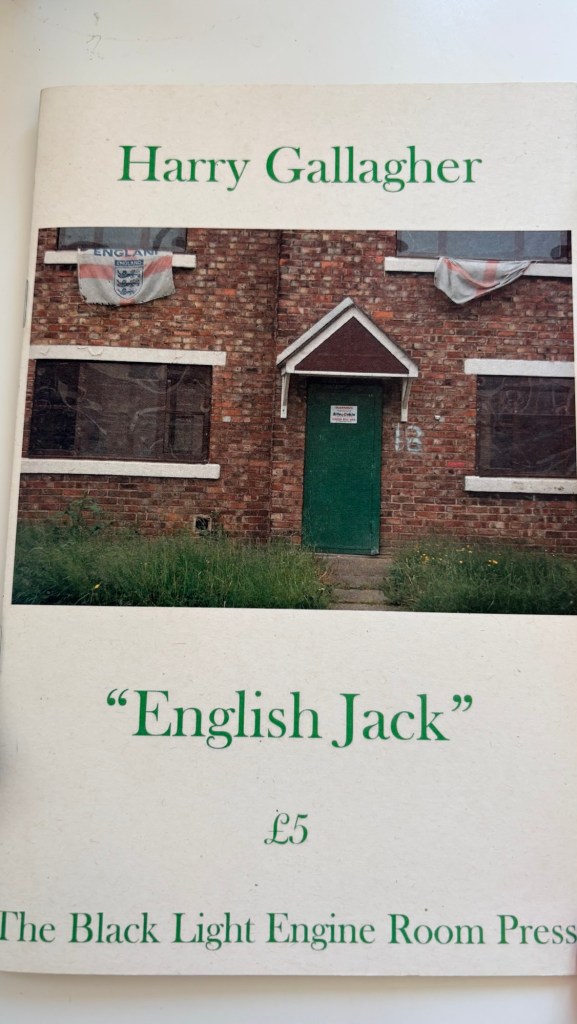
English Jack
Poet: Harry Gallagher
Press: The Black Light Engine Room Press
I’ve met Harry several times including attending his stanza meetings on a few occasions. He is a great lad and always has time to speak to people and discuss and promote poetry. Harry is a natural performer and can get people truly engaged.
English Jack is a small pamphlet that follows the life of Jack up to his 50’s. This is a social commentary and a portrait of masculinity and identity that is immensely relevant to today’s society.
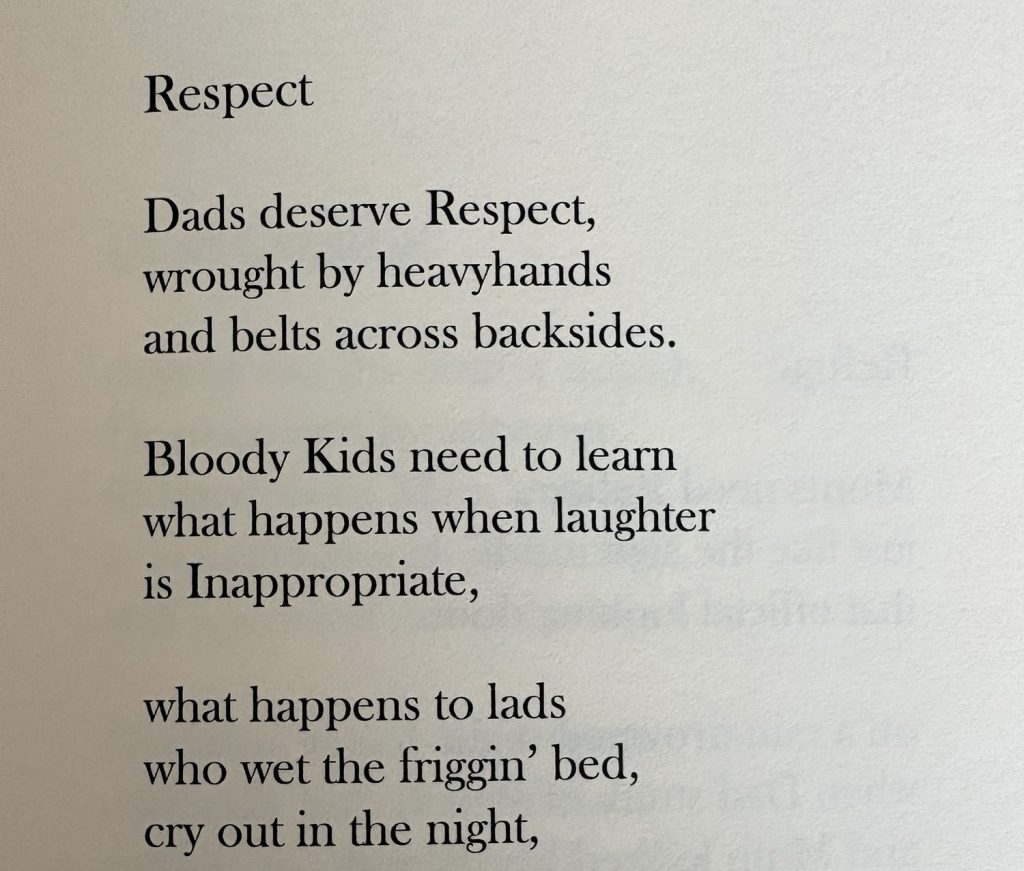
There are grim, stark points in this book. ‘Respect’ is a harrowing piece that resonates and teems with authenticity. It reminds me of the mindset of some of the men from the council estate I grew up on. The opening poem ‘Chip Off The Old Block’ is an ominous foreshadowing of things to come. ‘Lessons’ and ‘Borstal Dots’ are further forays into the Jack’s decline.
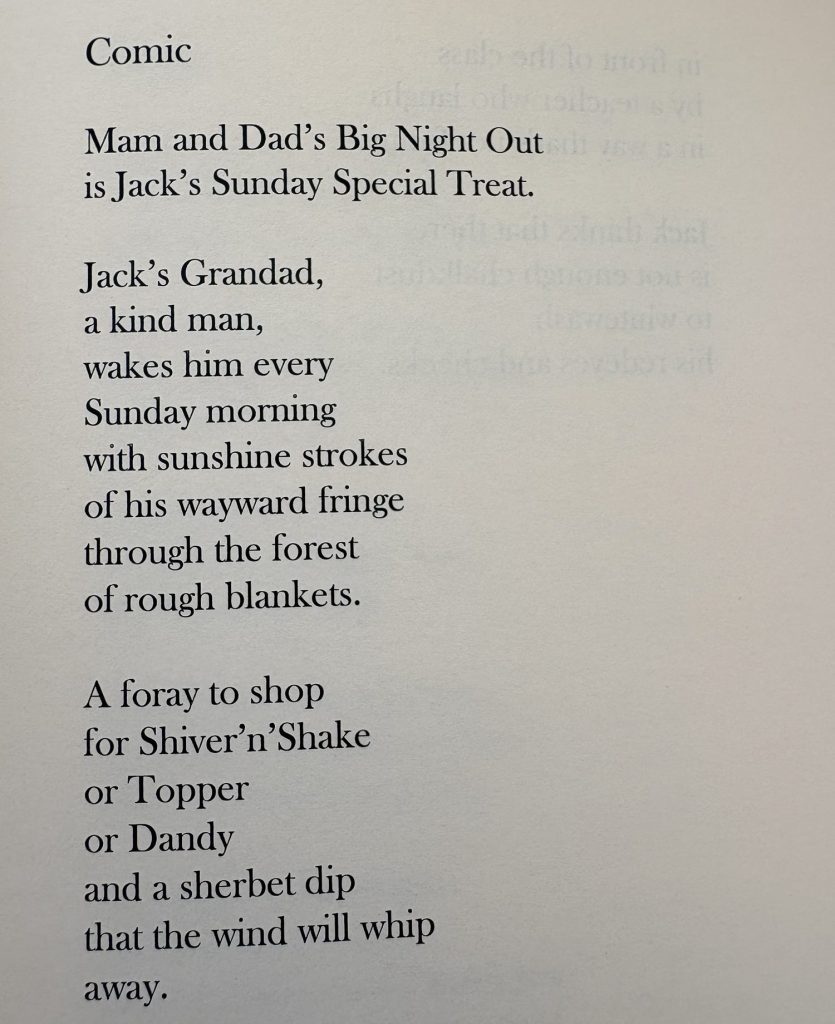
Harry creates delicate moments in his portrait of Jack. ‘Comic’ (one of my favourites) places Jack in the happiness and security of his Grandad’s house where we see a glimpse of Jack’s struggles with reading and the impact it has had at school. ‘Refuge’ and ‘The Gentle Girl As Mrs English’ are both tender and haunting.
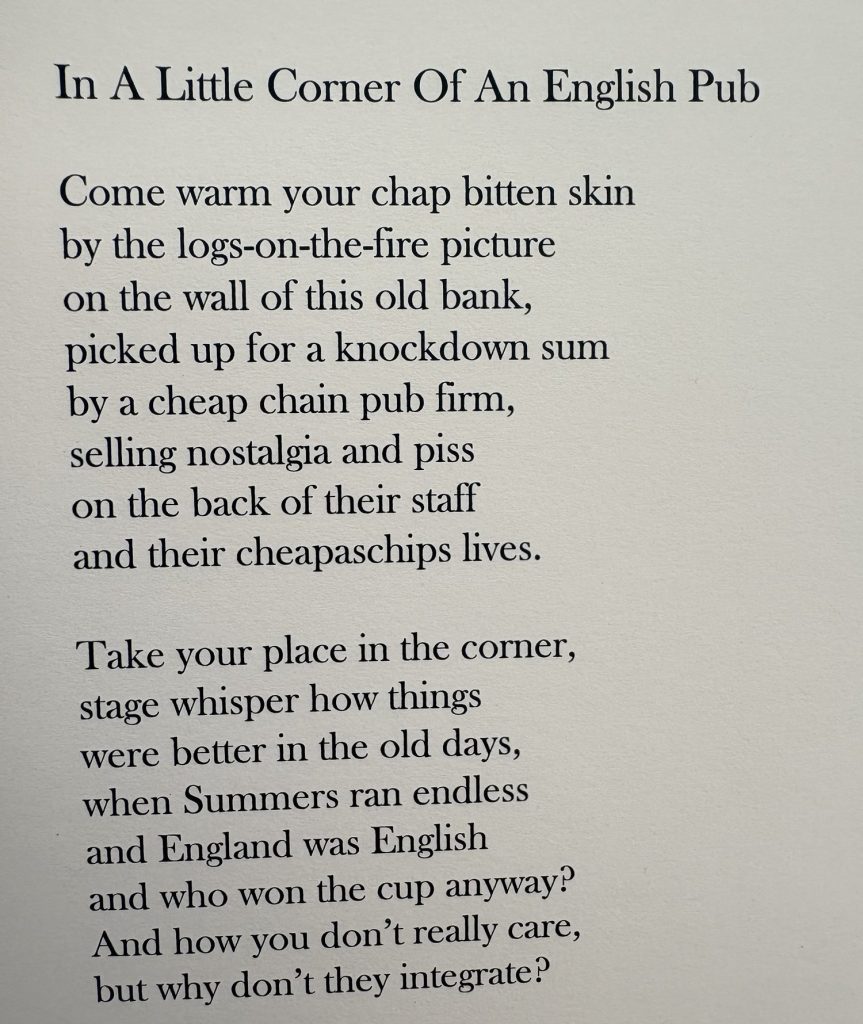
Harry paints the time and landscape of the unfolding events remarkably in the pamphlet. ‘Summer Of Love’, ‘Away’ and ‘In A Corner Of An English Pub’ are all vivid in my mind and I can see each one playing out, in fact some of the moments in this book I have definitely seen unfold.
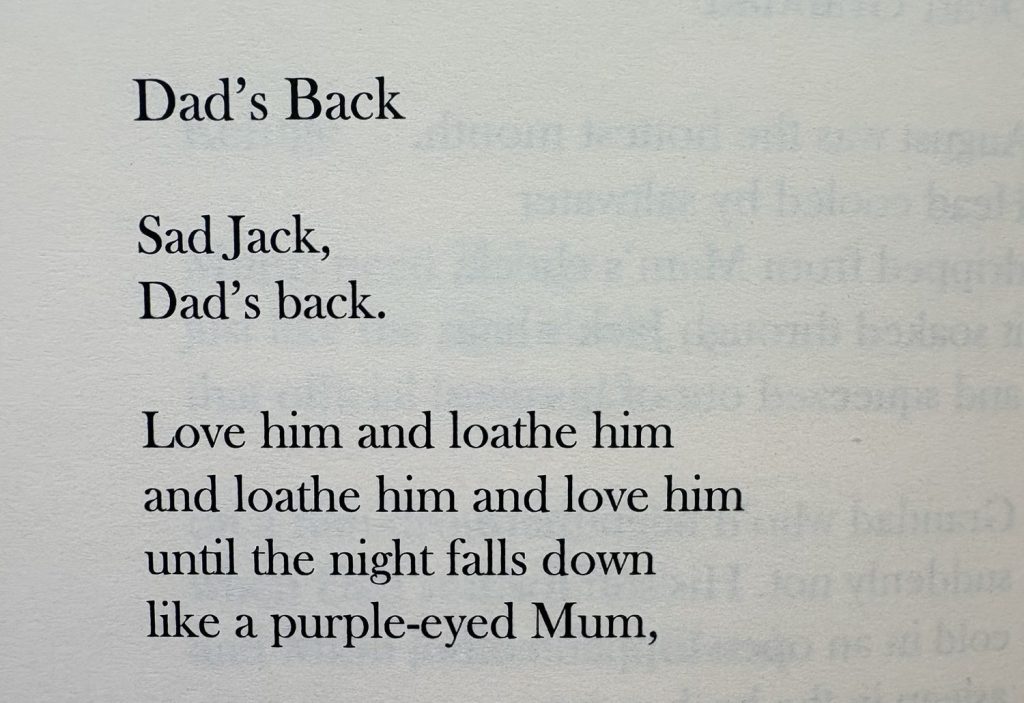
In terms of form and styles, rhyming structures are used expertly throughout with some arriving or leaving mid poem including ‘Dad’s Back’. Harry also uses various structures including couplets in ‘Blame’ and spacing to close out ‘Roadworker’. The book is a timeline across decades, and each piece is perfectly placed.
Fans of social commentary and gritty, true to life poetry will consume this book quickly then re-read and peel back further layers. This is an honest, important and necessary book that shines a light on a dark, cyclical subculture of masculine identity. The timeline format documents Jack’s downward spiral perfectly, illustrating inherited beliefs, culture and personality.
Favourite Poem:
Aside from ‘Comic’, I’ll add the following poem, ‘The Gentle Girl’ because it is a poem that gives hope for a better outcome.
Are you looking for the playlist? Well here we go…
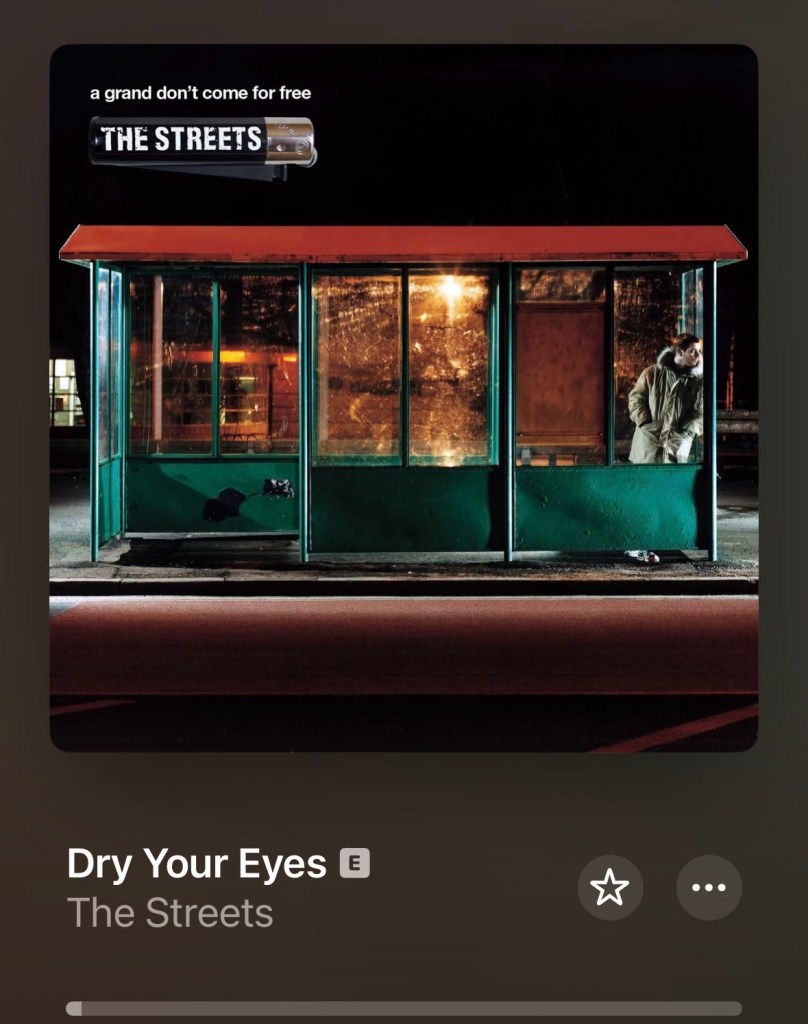
Chumbawumba – Tubthumping Oasis – Supersonic The Streets – Dry Your Eyes The Who – Who Are You? Elvis – Suspicious Minds Tina Turner – What’s Love Got To Do With It Sam Fender – Friday Fighting Bruce Springsteen – The River Manic Street Preachers – A Design For Life The Smiths – Suffer Little Children Lea McCann & Eddie Harris – Compared to What
Before I Go…
Tickets for The Book Bag Open Mic Session 4, taking place on Sunday, 3rd May are now available here. Limited readers and limited audience to provide an intimate, supportive and welcoming experience.
One More Thing…
The release of Unwhispered Legacy is fast approaching. An online launch has also been scheduled for Friday 1st May at 7pm (BST). Tickets will be available soon. Keep up to date with my socials for when they go live.
And Another…
Jeff Cottrill, a performance poet from Canada, has some UK dates scheduled for June. He’s been at a couple of Book Bag Open Mics and his work is funny, engaging and honest, follow him on Bluesky @JeffCotrill.bsky.social. He’s a fantastic performer and if you’re in the following areas and dates, I’d recommend you go along; 31st May: Poetry in the Park, Aberdeen 2nd June: Voices from the Fountain, Walsall 9th June: Survivor Poets, London 11th June: Worcester Litfest, Worcester.
He is also planning on attending the Fire & Dust Open Mic in Coventry on 4th June.
And Finally…
Iamb Wave 25 went live at midnight with a stellar lineup of poets. You can listen to the new wave plus all previous waves at https://www.iamb.uk/. Mark’s Iamb resource gives a terrific spotlight to so many great poets.
Next Week’s Read
Title: Birds| Humans | Machines | Dolphins
Poet: Genevieve Carver
Take it easy and stay poetic, I’ll catch you next week.
Welcome back to The Book Bag. I hope you’ve had a poetic week.
This week, I joined my new team at work and was welcomed warmly by colleagues. It also meant I said farewell but I’m still within earshot of my previous team. They did gift me a lovely bottle of Hendrick’s Gin. Which I will savour!
In allotment news, we’ve cleaned the greenhouse and have started some seedlings off at home and chitted some potatoes for first and second early crops.
I dabbed with some watercolour and I’m happy my colour bending for sunset and sunrise is improving.
If you’ve been keeping up to date with Paul Connolly’s Poetic Voice feature, on The Book Bag: Poetic Voices, you’ll know I’ve shared a fourth piece. I’ve been really lucky to share his work throughout February. Read the feature here.
I also took part in #FragmentsFriday which I’ve mentioned previously. This was my poem:
On top of that, I’ve been reading;
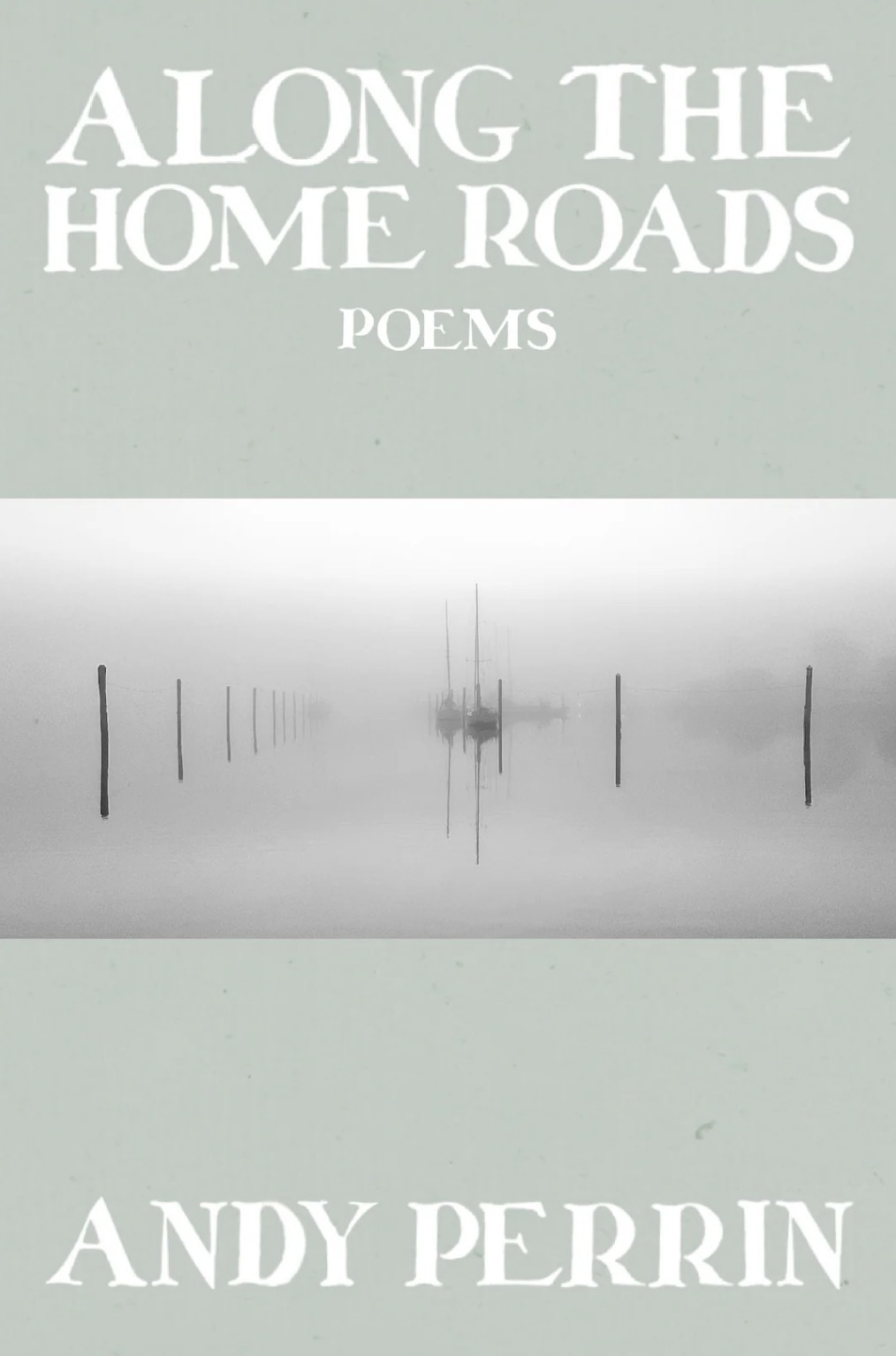
Along The Home Roads
Poet: Andy Perrin
Press: Bottlecap Press
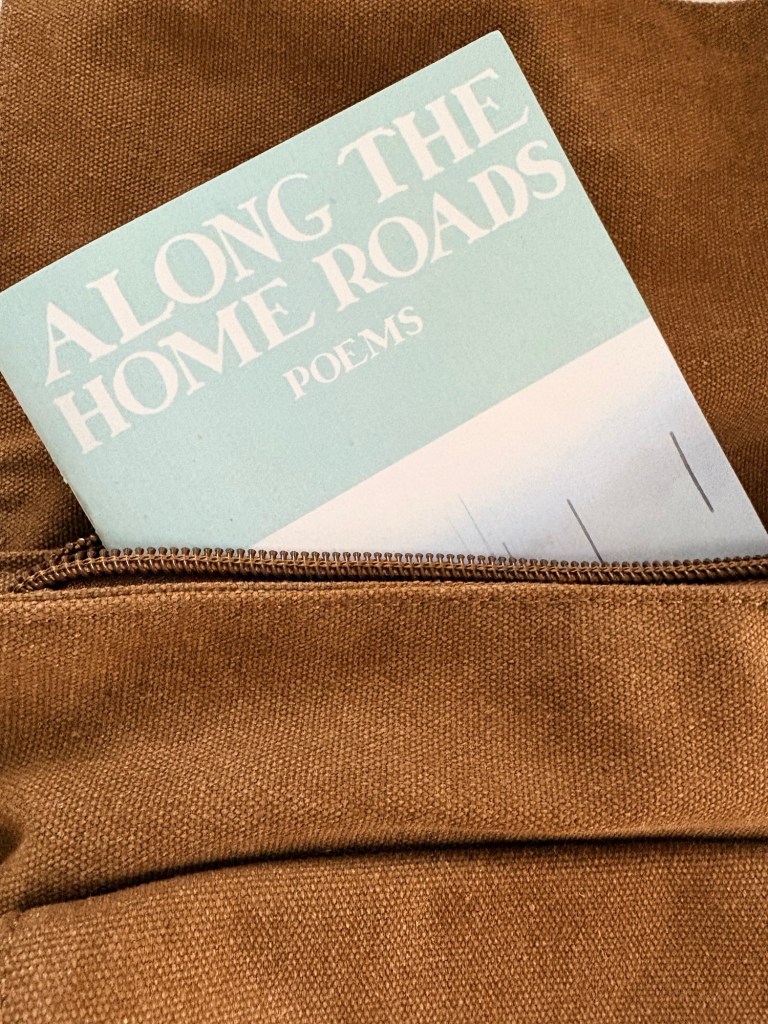
Andy Perrin is a poet I’ve been reading for a few years now. He is a very supportive member of the poetry community on social media and I always welcome his commentary and encouragement. At the end of 2025, Andy held a giveaway for some of his copies of Along The Home Roads and I was very pleased and lucky to get one.
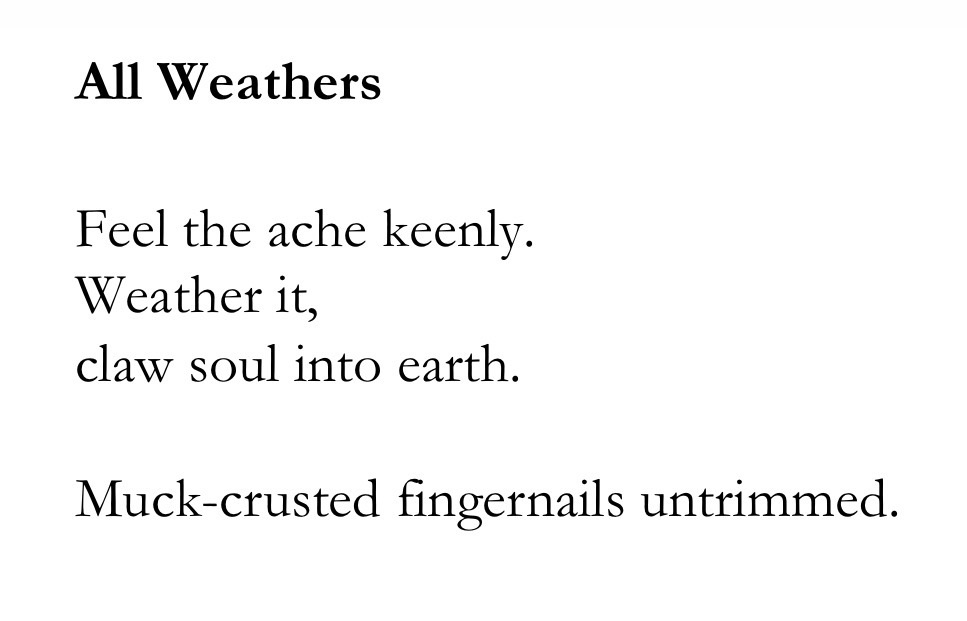
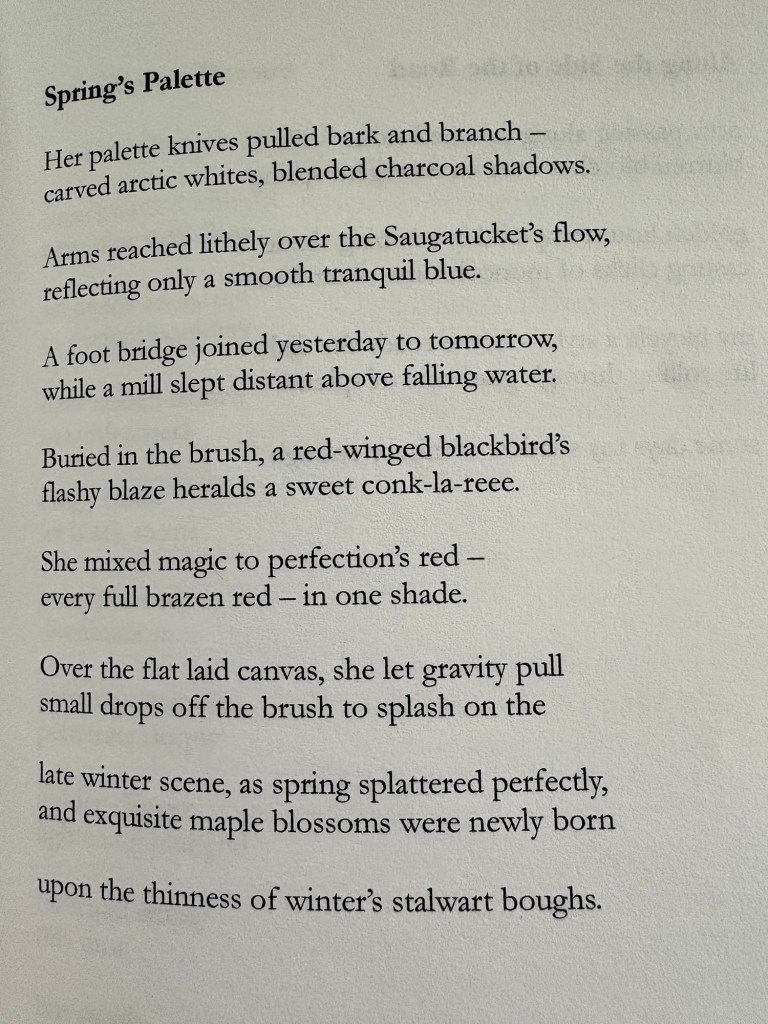
Andy is a master of minimalism in his word count, able to create vivid snapshots. His journeys (by bicycle) showcase terrific scenery. Poems such as ‘Point Judith Lighthouse’, ‘Wickford Harbor in January’ and ‘Spring’s Palette’ (one of my favourites) highlight this perfectly.
The reliance of humanity on nature as a healer is demonstrated across the pages in pieces such as ‘Serendipity’s Reward’ and ‘Along The Side Of The Road’. A favourite of mine is ‘A Winter Meadow Walk’, I’ve returned to it several times, it resonates so much.
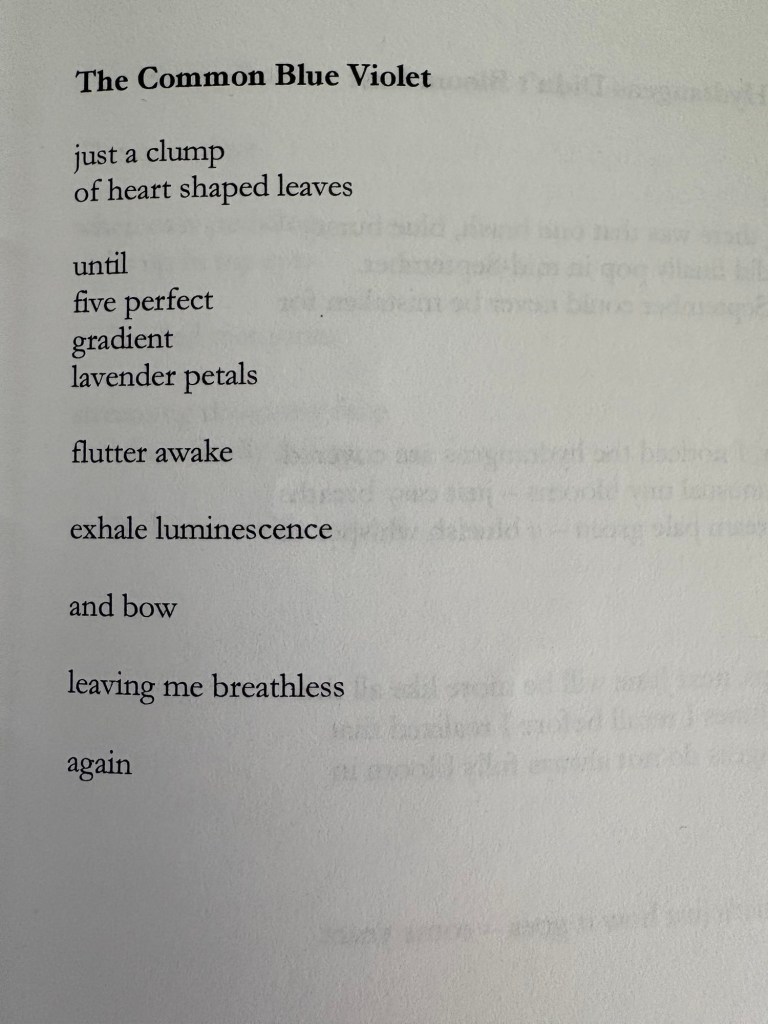
The prevailing message in this book is hope. This begins with the first poem in the book ‘The Night Map’ and continues throughout. ‘The Common Blue Violet’ uses colour to express this perfectly and brought a lasting smile. These were the right poems for me to consume this week.
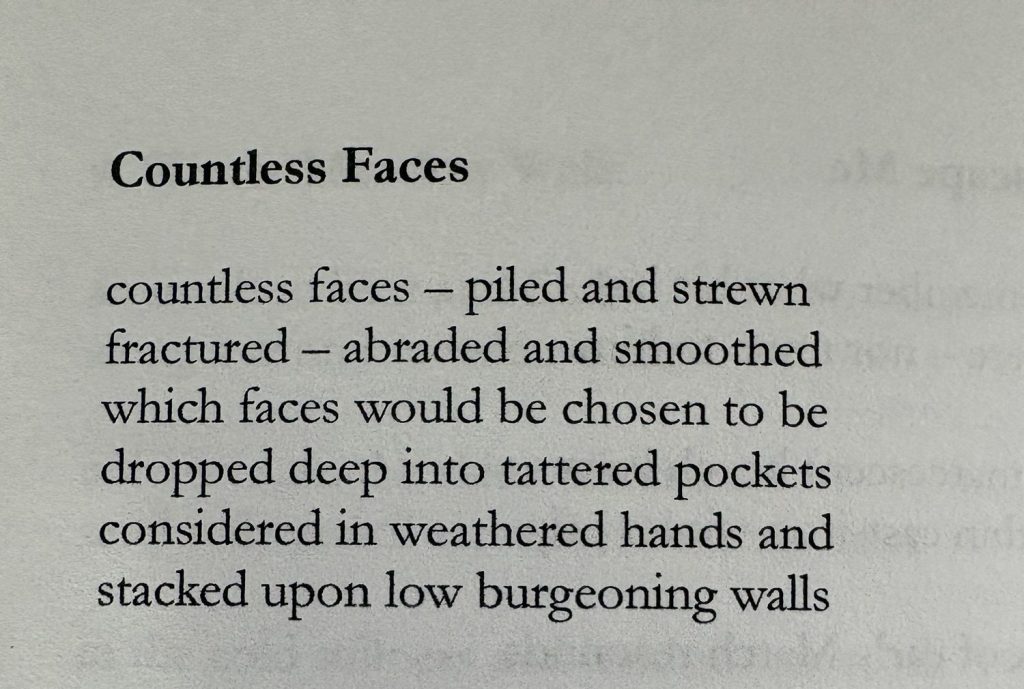
Andy uses a variety of styles through the chapbook. We have couplets such as in ‘Daybreak in September’, micros including ‘Countless Faces’ and use of white space in ‘My Coastal Sanctuary’. Each style complements the language effectively.
This is a book that lifts spirits and will appeal to readers who enjoy poetry that recognises nature as a force for good. Fans of micro and minimal word counts incorporated across various styles will appreciate this book. It is a wonderful tonic of a book.
Favourite Poem:
I’ve already said ‘A Winter Meadow Walk’ and ‘Spring’s Palette’ but I’ll also mention another handful, although this is a book brimming with top notch poems. So I’ll add ‘Stilled’, ‘Alone By A Fieldstone Wall’, ‘My Hydrangeas Didn’t Bloom Last’, ‘Of January 29, 1882’ and ‘The Home Roads’.
To read more on Andy and buy Along The Home Roads click here.
You’ve pedalled all this way, so here’s your playlist, this week with a mix of rock, pop, R&B and Jazz;
Cannonball Adderley – Mercy, Mercy, Mercy The White Stripes – Seven Nation Army Florence & The Machine – Dog Days Are Over Coldplay – Viva La Vida Jay-Z Featuring Mr Hudson – Young Forever Nat King Cole – Autumn Leaves Hollow Coves – Coastline Bruce Springsteen & The E Street Band – Chimes of Freedom Fleetwood Mac – Go Your Own Way Joni Mitchell – Both Sides, Now
Before I Go… The Book Bag Open Mic Session 3 is taking place via Zoom on Sunday 8 March between 7pm and 9pm. Reader and Audience Tickets available here. The sessions are always a supportive environment to showcase your polished gems and roughcut coals.
One More Thing… The Last Saturday Poets takes place on Saturday evening, hosted by the excellent Louise Longson. Another great lineup to enjoy including recent Book Bag alumni Carmella De Keyser & Corrina Board. Full details and tickets available here.
And Another… Last week’s book, Mædwe is being launched online on Tuesday 3rd March with the terrific Victoria Spires in the hosting seat and amazing guest readers. Check out Corinna’s Instagram to sign up.
And Finally… Happy 5th Birthday to Black Cat Poetry Press. The quality of titles released in that time is substantial and is a real showcase of contemporary poets.
Your regular weekly instalment will return on Sunday 8 March 2026. Next Sunday, March’s Poetic Voice will be launched at Noon…
Take it easy and stay poetic, I’ll catch you next week with the launch of March’s Poetic Voice.
And here we are. The final month of a year, that has gone by far too fast. It feels like only yesterday, I was taking decorations down in January, however only yesterday I was putting the decorations back up for the festive season.
As we’re in a new month, a new Poetic Voice has arrived. And I am ecstatic that this month in The Book Bag, I am featuring the work of a poetry superstar… Sophie Dumont. I first found Sophie’s poetry through the excellent Chris Campbell and became a fan instantly. Then I read the background to her debut book Sculling, and I reached out pretty much immediately for Sophie to be a Poetic Voice. Sculling is a profound debut collection. It has challenged my way of thinking and is quite brilliant.
Sophie Dumont is a writer based in Bristol. Her debut collection Sculling was published on National Poetry Day October 2025 and has since featured in the Guardian, Sunday Times Style and Financial Times. Her poetry won the Brian Dempsey Memorial Prize and has been published in The Rialto, Magma,The Moth, Ink Sweat and Tears and Mslexia among others.
She has an MA in Creative Writing from Bath Spa University and has held writing residencies along Bristol Harbourside with Boat Poets and Exeter Quay through Literature Works. Find out more at www.sophiedumont.co.uk
Sculling is published by Corsair (who kindly provided the rights to use poems from the collection) and can be purchased here.
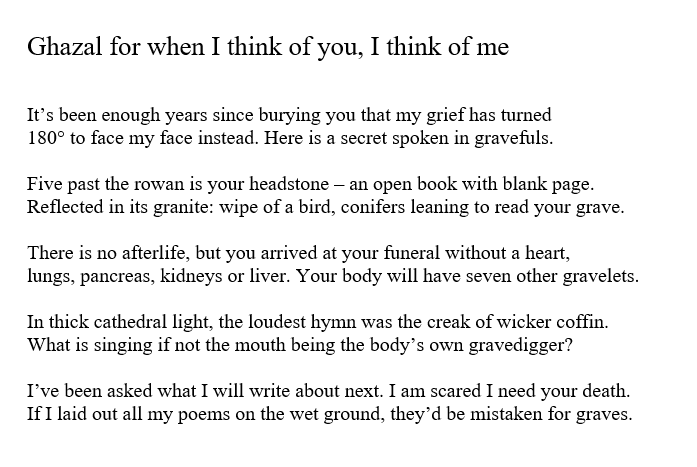
The first poem, is ‘Ghazal for when I think of you, I think of me’.
One of the main themes in Sculling is how one can live on through a selfless act of organ donation by saving others. Because of this, I wanted to raise some awareness for Organ Donation, which is a vital service that can help save lives. In the UK, information can be accessed here: https://www.organdonation.nhs.uk/.
Where are these December days going? It feels like only yesterday I was sharing the first part of Sophie’s feature.
Today, I am sharing another stunning piece from Sculling, titled ‘Celandine’. I am so grateful that Sophie is sharing work from her excellent debut collection.
Today I am sharing the piece ‘instinct of a glass eel’. This poem really struck me when I read it in Sculling and is definitely one of my favourites in the collection.
Sculling is one of my personal picks in The Book Bag Christmas Gift List which can be found here. Sculling is available to buy here.
Can someone tell me how it is October already. Autumn colours arrived early this year and it seems like the nights are drawing in quicker each day. And with a new month, comes a new Poetic Voice to feature as part of The Book Bag: Poetic Voices.
This feature aims to platform and showcase exemplary work from writers I admire across the poetic landscape and runs concurrently with the regular weekly episodes of The Book Bag where I’ll still be sharing thoughts on pamphlets or collections I’ve read through the week.
This month, I am thrilled to announce that our Poetic Voice this month is the prize-winning, super-talented, Carson Wolfe.
Carson Wolfe is a Mancunian poet and Grand Prize Winner of The Disquiet Literary Program 2024. They will soon graduate with an MFA from The Manchester Writing School, and are currently finishing their first novel. Their poetry has appeared with Poetry Magazine, The Rumpus, The Common, and Rattle. Their new chapbook Coin Laundry at Midnight is forthcoming with Button Poetry in spring 2026.
I first read Carson’s work in The North and Northern Gravy and was blown away by their work, then I read more and more. Fast forward to now and I am so happy that Carson accepted my invitation.
I’ll be sharing a few pieces from Carson over the month. Kicking off with ‘While Wishing She Was Dancing To Kate Bush’ originally published in the Best New Poets Anthology 2024.
A little later than planned, here’s poem 2 from the exceptional Carson Wolfe. First appearing in POETRY Magazine July/August 2025, this is SILICON VALLEY, IN THE BACKSEAT OF A TESLA.
Here is the 3rd poem from Carson. Originally published in The Baltimore Review, this is ‘Strange Baby’.
STRANGE BABY

He locked his doors—
the guy who braked

at my outstretched thumb.
His name was Froggy. He drove

in the opposite direction
to Georgetown,

is the temperature ok?
he turned the radio dial,

what music do you like?
A white crab

pearled in his headlights,
he got out, knelt

on its shell. I could have
run at that point,

but his car was air
conditioned, I had nowhere

to be. He pulled a rope
from his back pocket, turned

its pincers into its own face
and bound them there.

I’ll cook you dinner, he said,
and lumped the salted moon

onto my lap. It squirmed
against my thighs,

this strange baby, looking
to me for a mother.

I don’t eat animals, I said.
It’s not an animal, he drove

on in the stink of rockpool
fizz. The island only has

one road, I told myself
we’d loop round eventually.

He pulled into a hotel,
abandoned mid-construction.

Bare cement, windows gaping
like mouths. I wouldn’t touch

the crab, was grateful
when he tossed it

in the back. I stepped out
into the evening shrill

of insects. Dizzied
by the delicate racket

of wings rubbed together
—he took out a knife

and cleared a path for me
to reach a secret beach.

The sunset is pretty, like you,
he said. Like me? I smiled.

Like you, he said,
down on one knee.
To pre-order Carson’s forthcoming chapbook, you can do so here. I can’t wait for its release. An early birthday present to me from me!
Well here we are in September. And with a new month, comes a new Poetic Voice to feature as part of The Book Bag: Poetic Voices. This feature aims to platform and showcase exemplary work from writers I admire across the poetic landscape and runs concurrently with the regular weekly episodes of The Book Bag where I’ll still be sharing thoughts on pamphlets or collections I’ve read through the week.
And this month, I am amazed to announce the Poetic Voice is the exceptionally talented prize-winning poet, someone I’ve read since starting my poetry journey, Pascale Petit.
Credit: Derrick Kakembo
Pascale Petit was born in Paris and lives in Cornwall. She has published nine poetry collections, four of which were shortlisted for the TS Eliot Prize. Her ninth, Beast, published by Bloodaxe Books in 2025, is a Poetry Book Society Recommendation. Her eighth, Tiger Girl (Bloodaxe, 2020), was shortlisted for the Forward Prize for Best Collection, and for Wales Book of the Year. Her seventh, Mama Amazonica (Bloodaxe, 2017), won the RSL Ondaatje Prize and the inaugural Laurel Prize for eco-poetry and was the Poetry Book Society Choice. Her debut novel, My Hummingbird Father, was published by Salt in 2024.
This month, I am sharing the below piece from Pascale’s latest collection ‘Beast’, available here from Bloodaxe Books. This is ‘The Lammergeier Daughter’.
Beast Micro Book Bag Review
As part of this month’s feature, I’ve written a micro review of Pascale’s collection.
The collection explores a range of emotions and experiences through beasts in various environments and forms. With such range comes an expanse of vivid surreal imagery that lifts itself from the page. The book deals with trauma with defiance and resilience acting as counterpoints.
It should come as no surprise that the language throughout the collection is precise and rich. Form varies from prose in ‘The Tala Zone’ of the book to the use of space in ‘Ode To Causse Méjean With Takhi Horses’ to the couplet form in ‘Papa Guêpier’.
As well as ‘The Lammergeier Daughter’ other poems including ‘Butcherbirds’, ‘Swallows’, ‘Vial’, ‘Roebuck’ and ‘Pale-winged Trumpeters’ are among my favourites. I could list at least 10 more.
Beast is an exquisite collection and is in my top five books, I’ve read this year.
Regular readers will know that The Book Bag shares a playlist for the weekly entry, so I thought I’d add an eclectic one here also…. Charlie Parker – Koko George Benson – Everything Must Change Florence And The Machine – Dog Days Are Over John Coltrane – Giant Steps Louis Armstrong – Snake Rag Stravinsky – The Rite Of Spring Oliver Nelson – Ain’t A Thing Johnny Cash – The Beast In Me Kings Of Leon – Closer Imagine Dragons- Radioactive
Welcome back to The Book Bag. I hope you’ve had a poetic week.
What a week. I saw the Fantastic Four movie, followed by pizza with friends (I went for nduja and gorgonzola) where we saw England International and Manchester United midfielder Michael Carrick, an acceptance, a piece published as part of the Poetry of Witness project on Wednesday. Also, it was the launch of Beautiful Little Fools Anthology where I read my two pieces (was it too much wearing a velvet jacket and bow tie and sipping old-fashioned cocktails?) ‘Depraved New World’ and ‘The Flicker of Green’. Oh, I spent a bit of time on my writing too.
On top of that, I’ve been reading;
Vanishing Point
Poet: Chloe Bancroft
Press: Broken Sleep Books
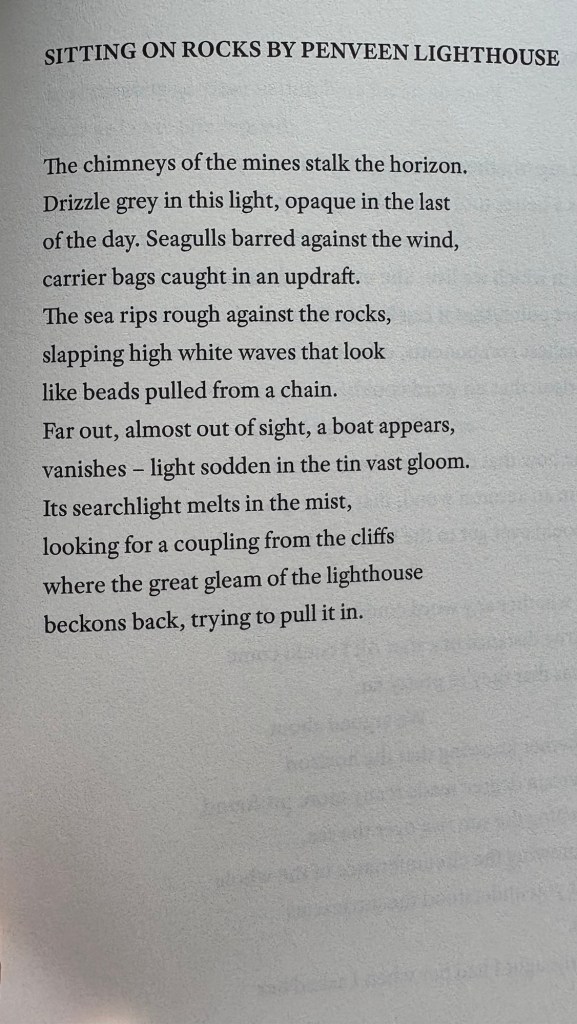
Vanishing Point opens strongly with vivid imagery and precise, rich language in the poem ‘Botanical Notes’. The strength of scene continues throughout the the book including in poems such as ‘Sitting On Rocks At Penveen Lighthouse’ and ‘Etal Castle’ (one of several locations in the collection I’ve been to).
Place plays an important part of the collection. Both its historical context tied to memory, heritage and culture but also how a place can act as a way marker to another place. This is how I interpreted the piece ‘Transverse Orientation’ with its listings of services. ‘Picking Raspberries at High Force’ (somewhere I’d recommend anyone visiting, because it is exquisite) is an excellent poem that shows the cycle of renewal of a place.
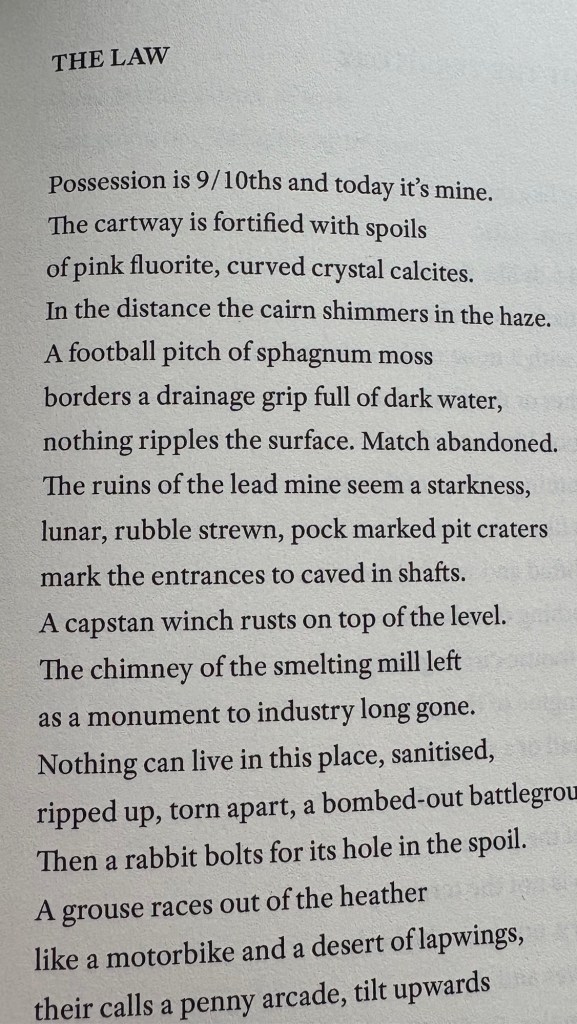
Many of the pieces hold an emotional weight. ‘Into The Distance’ and ‘Figuring It Out’ are two perfect examples of how to craft evocative poetry in contrasting ways. The poem ‘The Law’ is a layered piece that sparked a reaction both consciously and subconsciously and I made an audible ‘oooft’ when reading it.
There are powerful poems throughout. The final poem ‘Post Box On Corporation Street for Manchester’ is unflinching. ‘Thoughts On An Aftermath’ is a thought-provoking honest piece which had me considering my reaction. The piece ‘Tethered’ hit me hard.
Nature poetry is exceptionally crafted in Vanishing Point. Poems such as ‘Gauging The Flood’ , ‘Standing’ and ‘Life Study’ are all prime examples of writing the natural world without over-sentimentality or cliche.
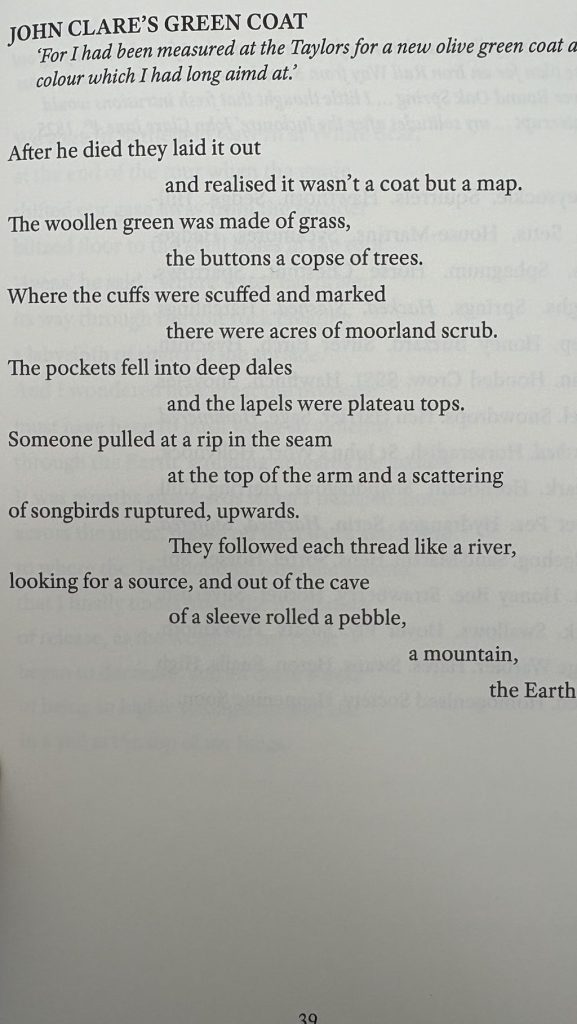
Chloe uses form and style in various ways throughout. ‘John Clare’s Green Coat’ uses spacing expertly to convey the poem’s message, leaving room to breathe before continuing. Free verse is used but also forms including list and couplet such as ‘Frozen Pool in Hotburn Plantation’.
This book will appeal to lovers of eco-poetry, vivid imagery, emotional connection and a sense of place. The Northern landscape and cultural, industrial history referenced in Vanishing Point resonated deeply with me as I have stood in some of the same places and can immerse myself fully in the poetry and the landscape. It’s a book, I will keep going back to.
I’m going to choose five here. In no order ‘The Law’, ‘HS2’, ‘Staithes’, ‘Capacity for Joy’ and ‘Night Horses’.
And here’s an eclectic playlist that I feel goes with the book that I’ve curated for your enjoyment;
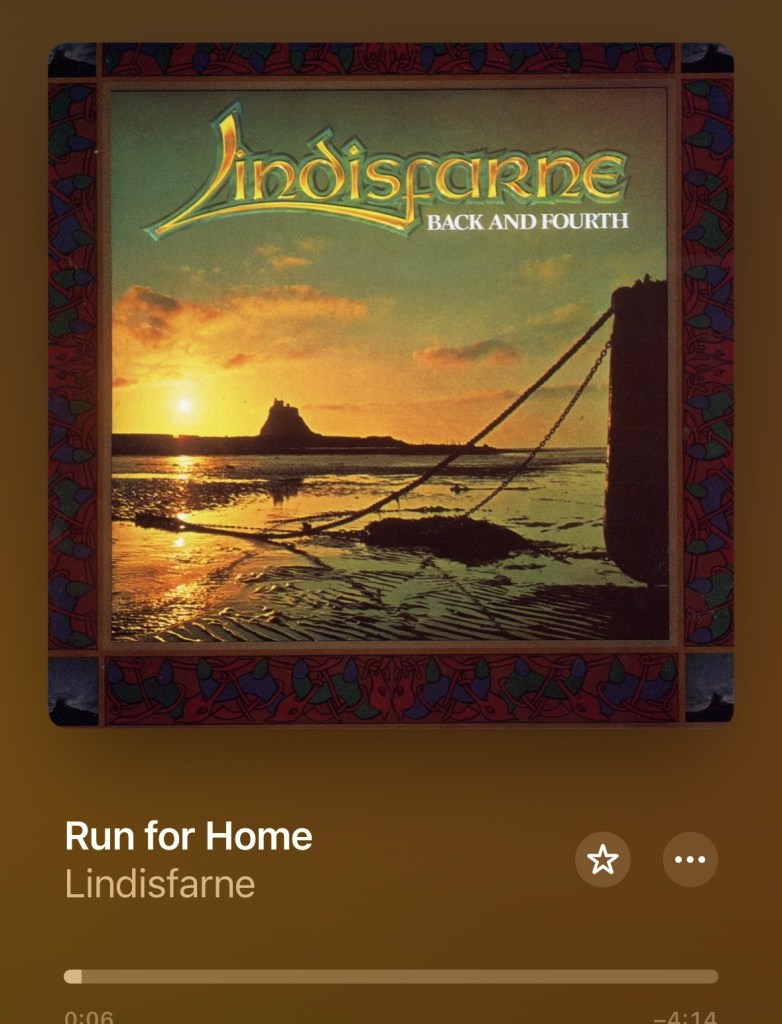
Oasis – Champagne Supernova Richard Ashcroft – A Song For the Lovers Solis – Sunday James – Sit Down Lindisfarne – Run For Home The Unthanks – Shipbuilding Kate Bush – Running Up That Hill Jimmy Nail – Big River Seth Lakeman – The Colliers Chris Rea – Curse Of The Traveller New Order – Ceremony Mr Scruff – Honeydew Blossoms – Charlemagne
Before I Go…
Another page of Rishi Dastidar’s hobbies will be live on his feature from noon today, with another page of hobbies landing on 19th August. His feature can be found here. Catch up now.
One More Thing…
The Broken Spine has a ‘Cut To The Bone’ zoom workshop running on 24th August hosted by Alan Parry, details here. His workshops are always interactive and informative in a supportive environment and may be useful to all writers currently in the submission process.
And Finally…
Next week’s weekly entry in The Book Bag will be the last until September as I take a small summer break. I’ve already got exciting plans for the weekly entries from September with some more exciting poetry to share. I constantly update my social media channels with news so you can keep up to date there. You may even see me read a poem or 2.
Next Week’s Read
Title: Welcome To The Museum of A Life
Poet: Sue Finch
Take it easy and stay poetic, I’ll catch you next week.