The Book Bag: Poetic Voices – November 2026

We’re into the second ‘ber’ month in a row and you can definitely tell, the weather has been havoc. I hope you’re all staying warm and safe and healthy in run up to December’s festivities and holidays. To all my US readers, I pass on my thanksgiving wishes to you. If any of you have a good recipe for pumpkin pie, I would love for you to send it over!

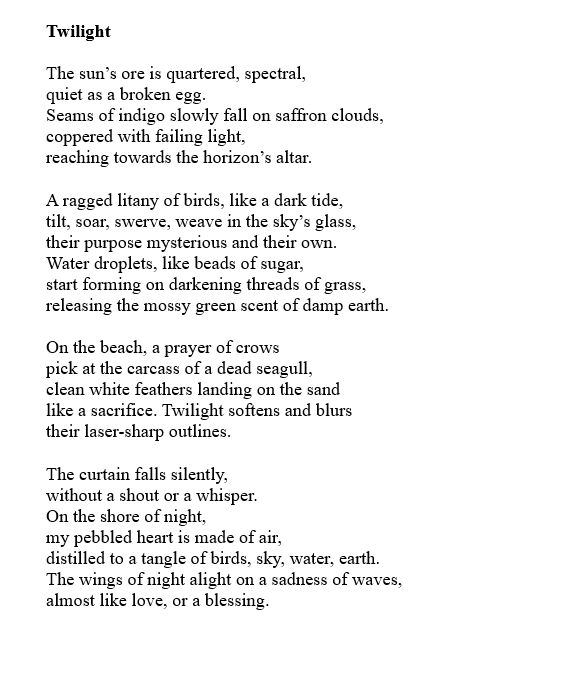
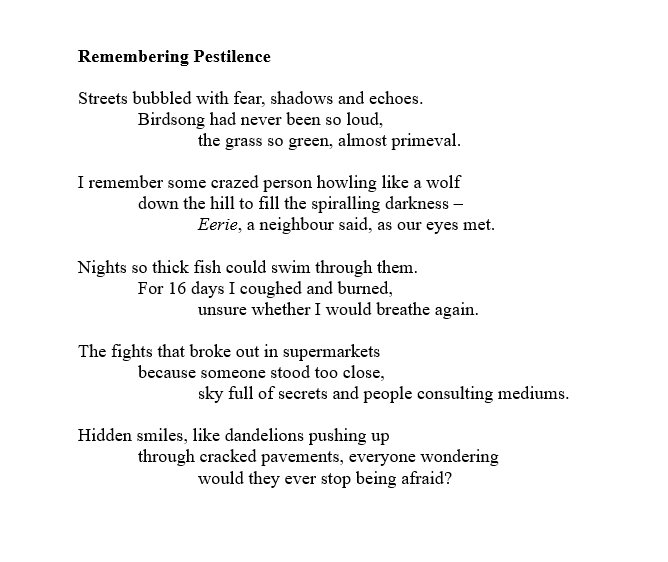
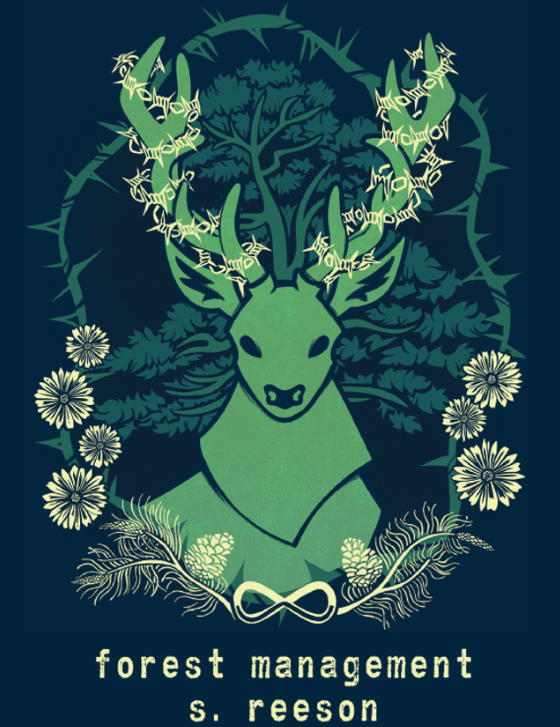
As we welcome November, we also welcome a new Poetic Voice to The Book Bag. I have known this poet for a little bit of time and their work is always multilayered and original. I have been lucky to have heard them live multiple times, read and re-read their work and share pages in anthologies. It was also a massive honour to be trusted to host the online launch of their latest book, Forest Management. A writer I have all the time in the world for…

Without further ado, welcome S. Reeson.
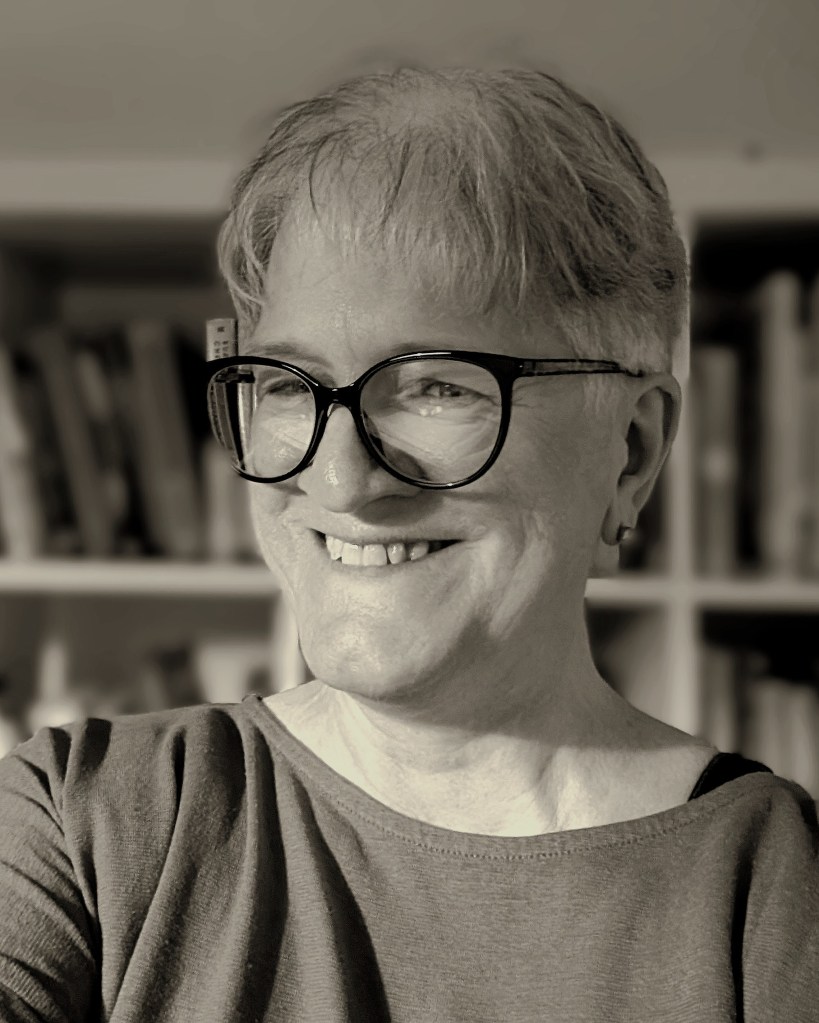
S. Reeson (she/they) is a working-class, neurodivergent poet whose space and shape poetry is underpinned by mental health, existential angst, speculative fiction and the current state of the planet. After winning a Poetry Society members’ contest in 2018 they wrote 24 poems about their home town for the Places of Poetry online initiative, one of which was included in the official anthology published for National Poetry Day in October 2020 by Bloomsbury/One World. This poem was then reproduced by The Daily Telegraph and read on BBC Radio 5 Live’s Up All Night programme.

A debut pamphlet with accompanying art and photography, Flammable Solid, was published in November 2022 by Flight of the Dragonfly Press. In April 2023 a chapbook, No Gloss… No Veneer, No Filter was produced by Back Room Poetry. They have been published in over 30 magazines and anthologies, including Under the Radar and were shortlisted in April 2026 for Poem of the Month by Verve Poetry Press.

In the same year they were selected as Poet in Residence for the Leigh Art Trail in Essex, and a Writer in Residence at Metal Southend as part of the Essex Book Festival, where they also taught poetry on behalf of the South Bank Centre as a component in the Poet in Every Port initiative. Their second pamphlet, Forest Management, was published on October 23rd.
Both their poetry and photography has been formally exhibited across Essex and East London, and they are on the Steering Committee for the Southend Creatives CIC, where they advocate for a fair deal for all creative industries in their home city.

They are currently putting the finishing touches to their first collection.

To find out more and keep up to date with what S is upto you can find them here;
Website: https://no-gloss-no-veneer-no-filter.ghost.io/
Instagram: internetofwords
Bluesky: internetofwords.com


In this month’s Poetic Voice feature not only do we have some excellent poetry from S, we have an interview, details on their other projects. There is something special happening in part 2, but my lips are sealed.

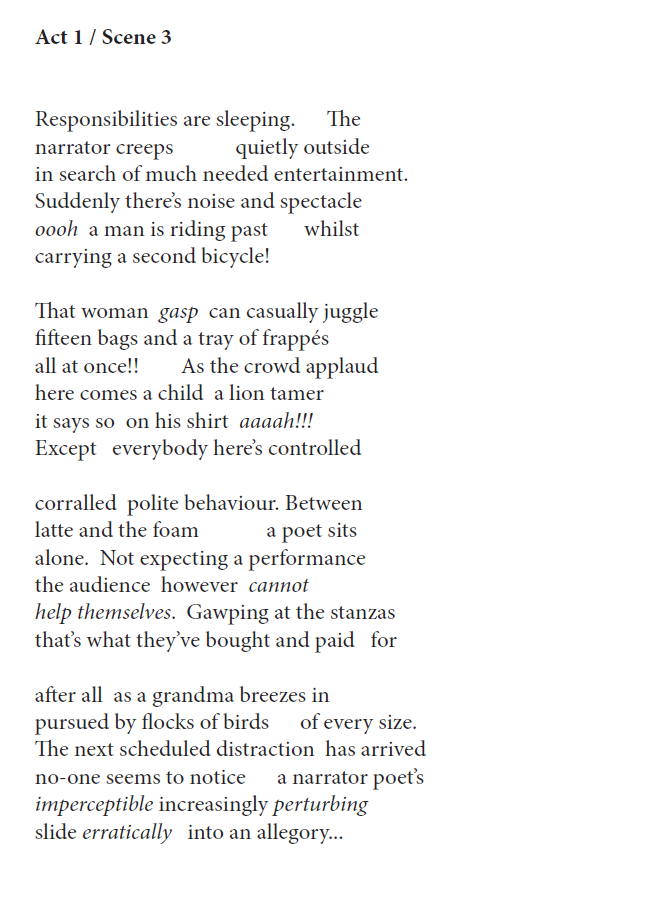
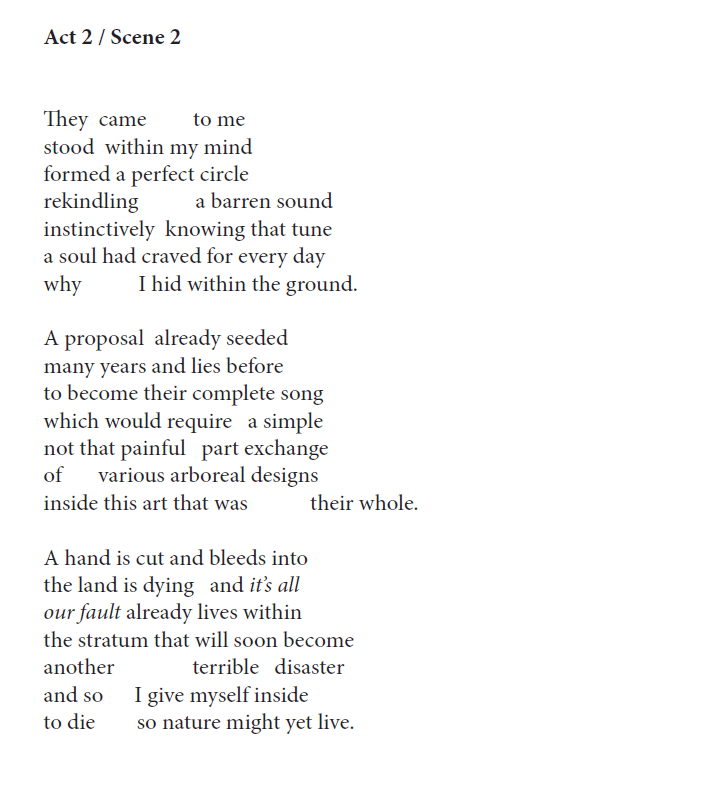
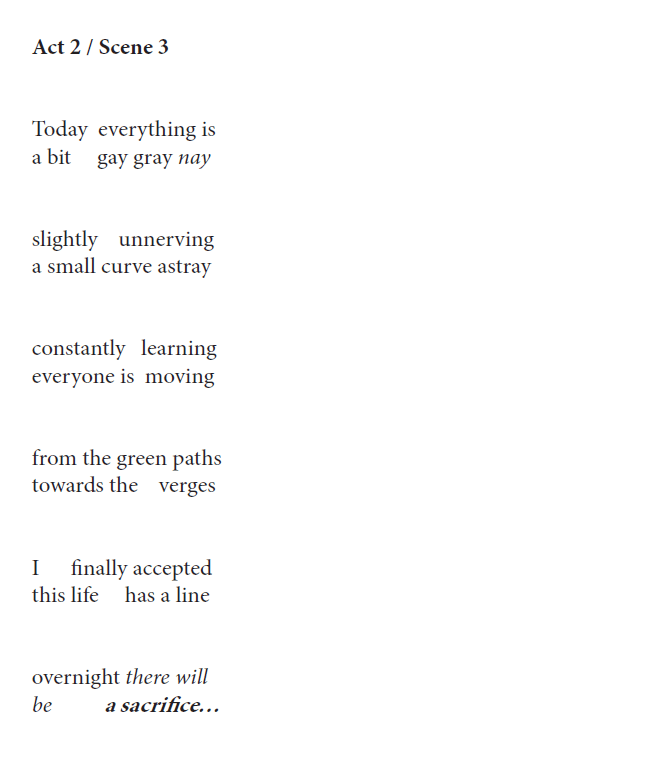
The following pieces are taken from Forest Management, a superbly presented book of poetry made up of acts, similar to how a play appears. Special thanks to Flight of the Dragonfly for permission to reproduce the poems.
A Q & A with S. Reeson

PS: Firstly, a question I like to start with. Who are your poetic influences and how have they evolved?

S: I was the first woman in my family accepted to college in 1985, to do an English and Media course. My poetry education involved a great deal of ‘traditional’ staples: none of them sparked joy in any reasonable measure. It was when I ‘discovered’ The Mersey Poets (Adrian Henri, Roger McGough, Brian Patten) that a spark of connection took place: there was a definite association with the themes and forms that they used. I aped their work extensively.

There was then a long period in the poetic wilderness, until my interest was reignited by Ian McMillan in the mid 2010’s. I’d been taught about Emily Dickinson and Virginia Woolf at school but was not emotionally acute enough at the time to accept what these women had done and the fact that absolutely no female poets appeared in my reading list at college should have been more of a warning sign than was then the case. There was a lot of catching up to do.

I’d say 80% of my bookshelves are taken over to female poets. I unashamedly fangirl Dr Kim Moore and Rosie Garland, as well as Sharon Olds and Maya Angelou. Influences are constantly changing, which is more fuelled I realise by my own journey than it is directly influenced by any other poet’s style or substance. I feel it’s massively important to read widely and often, and to have a thorough understanding of what motivates people to write poetry in the first place.

PS: You work across different artistic practices and spaces. What advice would you give to creatives who may wish to branch out into different techniques?

S: Don’t be afraid. Fear is the biggest single obstacle to creative progress. Opening your mind and heart to experiences that are anathema, accepting that even the most traditional outlooks hold some value, and looking critically at your own world view are the first steps to a more satisfactory artistic practice. Assuming you are not good enough because you are at the beginning of a journey is a sure-fire method of never making it to any destination. Embrace the chaos.

Be playful. Nearly all of my art/poetry hybrids have come about from me not having a clear idea of what I was aiming for. If you are working to a brief, don’t be afraid to bend and break what you’d consider ‘the rules’ to arrive at work that satisfies YOU. There has to be a period of experimentation in all evolutionary journeys: identify what it is that gives you a sense of happiness and satisfaction and lean heavily into it. Build a practice that you love living in.

Expect to fail. In new situations, expect to fail A LOT. Accept this is part of the journey and be sensible with how that process is managed. Talk openly about what you want and how you know it is more important in all cases than other people’s opinions. Opinions are not, and never have been, facts. The only fact that ever matters is being happy with your work. If that is not currently the case, focus on that ahead of ever trying to please anybody else.

PS: From getting to know you in the poetry sphere, it is clear how important getting involved with communities is to you. How strong are the benefits of spending time listening and engaging with the people to build your art with authenticity?

S: I feel I need to be brutally honest here: the time that my practice significantly changed, and I was able to move forward successfully as a creative, came soon after I started to force myself to be more social. Previous to this point I was very much a loner: fiercely protective of my work, and largely unwilling to collaborate with anybody. A lot of this was as a result of mental health issues, and once I began to accept these deficits, my practice began to grow.

Your work can only travel so far when you refuse to engage with the wider world around you. It is possible to be successful and isolated, of course it is, but there is so much potentially lost by doing so. In the last 18 months I’ve been exposed to a number of amazing and well-established creative practices which have shown me fresh benefits to the collaborative experience. They have also shown me a number of downsides. Not every collaboration is going to work.

The true key to authenticity I believe is self-awareness. I know what I am strong at, and there are many areas where I lack skill, belief and the ability to translate ideas into art. That means that often I will go into a situation and fail for no other reason than I am not yet strong enough to succeed. Weight training has taught me the importance of both mental and physical stamina to ensure steady progress.

Know where your weaknesses are, and don’t always play to your strengths. The lightbulb moments often happen completely by accident. Learn from them when they do.

PS: Forest Management is structured like a play, split across multiple acts with a narrative arc. You recently said at your online launch, narrative arcs are a style of poetry you will look to continue. For readers who want to explore narrative poetry, would you have any tips?

S: Have ‘a Plan’. I cannot stress this enough. As someone who has written countless short stories and has MANY longer fiction ideas unfinished on their hard drive, the biggest obstacle to completion is not knowing the direction you are travelling in. Build a foundation for your idea, and at least at the beginning construct a framework where you can track a clear narrative progression. It does not have to be linear. It just needs to be clear.

Find Beta readers. This is a requirement I learnt from when I was a prolific fan fiction writer (yes, REALLY): it may make sense to you but if someone else has no idea what you are talking about, it needs work. I was lucky enough to have Dr Kim Moore mentor me in a year when I was very much at a very low ebb emotionally, and her wisdom and insight completely altered the direction of my practice. Find poetry mates you trust, and share your work with them.

Trust your gut. Forest Management has two extra poems added to it from it’s original shortlisting from Live Canon. They do not alter the direction of the work. Instead they give it depth and resonance. Knowing when a work is ‘done’ is not the exact science some people might tell you it is. My narrative was missing something and those poems completed it. When you think you’re done, walk away for a while and then come back. Always let your work settle.

PS: Forest Management charts a mental health journey. With the subject matter being so personal, and you being a mental health advocate, how did you find the process in terms of writing whilst balancing your emotional health?

S: Ironically the writing was remarkably easy in that regard. The problems have occurred in the promotion and discussion of the work before publication. I had not properly considered the consequences of something so personal being shared and discussed in public. The biggest lesson in all of this, as a result, is how much of what are often deeply affecting experiences should end up ‘on a page’.

I know of writers who have used publication as a natural close to particularly difficult or traumatic events. Being both autistic and an early life trauma survivor presents a very unique set of circumstances, which is only now beginning to be addressed in a workable fashion. Increasingly, certain work will now not be shared. It is a learning curve I have not yet surmounted, but we are learning quite quickly at present.

We will continue to adapt and cope going forward.

PS: If readers could take a couple of things away from Forest Management, what do you hope they would be?

S: Listen to yourself. Your work may be hiding things you yourself were not previously either aware of or receptive to. Look outside your life whenever there is the energy to do so: many things are changing and it is important to be aware of the shifts in current reality.

Mostly, be curious. This is a story of learning and growth, but it also challenges our relationship with nature. Humans are a part of a complex ecosphere that may now react unpredictably to the damage we have caused to it. There is always time to improve. You can start right now.

PS: You have recently launched Ways of Seeing, a poetry experiment with submissions opening again in December. You recently wrote about trust in the relationship between editor and poets. What would you say is the best way to reinforce that trust?

S: Communication is key, which is why I intend to share my reasoning at every stage of the WoS selection process. I hope this will provide poets not with metrics on how well they fared, but instead on what it was specifically about the work that granted them progression. Winning is important, but not as helpful as being able to look at what you create and understand how to improve it.

I have never totally agreed with the way that many contests are run. I decided that the best means by which I could challenge the process was to learn from doing it myself. The results from Experiment #1 have surprised and delighted me in equal measure. I hope Experiment #2 throws up similar learning experiences for both participants and judge.

PS: That takes us neatly into the next question. Tell me a bit about your relationship with Flight of the Dragonfly Press.

S: I found Barbara (and Darren as they were then) during COVID when a lot of poetry open mics moved online. They gave me my first feature set when I’d not even had a formal pamphlet published, and offered me the opportunity to debut with them in November 2023. Darren subsequently published a chapbook of mine in 2024 as part of the now much-missed Back Room Poetry project.

Barbara is a superlative editor and writer, and increasingly a good friend and beta reader. She has told me things I am very grateful for and has given me space to flourish and expand as a writer and creative. Flight of the Dragonfly press is a space I will promote and support for as long as I am able, which includes running the Zoom ops for The Elephant in the Room Open Mic. Expect Great Things [TM] things from them in 2027 😀

PS: You have your finger on the pulse when it comes to other poets. Who else should readers be seeking out now?

S: Seeing Dr Kim Moore being nominated for the T.S. Eliot Prize this year is my reminder to push your readers towards The House of Broken Things. I’d also be seeking out anything that Jem Henderson has produced at Nine Pens Press, which is back after a hiatus. I am also working my way through Daljit Nagra’s back catalogue at present. I’d also urge anyone reading this who doesn’t have a regular Open Mic event to either visit or to take part in their real world community to consider starting their own. Life changing moments can begin at home.

PS: Finally, what is the best piece of advice you can give a poet or writer?

S: Write whenever the urge takes you. If that means stopping the car or going to find an envelope to write on, or a napkin, do it. Never go anywhere without the means to write.


Remember to check back on the 15th of November for part 2 which includes further poems, more on S’ other projects and something extra special…
The Book Bag: Poetic Voices – October 2026

Autumn is in full flow. The bronze and gold leaves are constantly drifting along the paths and fields. With the arrival of October, it is time to warmly welcome October’s Poetic Voice.

This month, our Poetic Voice is another bumper edition with our poet sharing several poems including pieces from their latest book, as well as an interview which delves into their approach to craft, influences and recommendations for who poets should be reading.

Without further ado, let me introduce the excellent Annest Gwilym.

Annest lives in north west Wales, near the Snowdonia National Park, in the UK. She is a native Welsh speaker.

Her writing has been widely published in online and print literary magazines and anthologies including: Amaryllis, Ariadne’s Thread, ARTEMISpoetry, Black Nore Review, Caught in the Net, Clear Poetry, Culture Matters, DarkWinter Press and Literary Magazine, Fevers of the Mind, Ink Sweat & Tears, LUNCH, Optimum Poetry Zine, Poetry Life and Times, Poetry Space, Reach Poetry, Red Poets, Sarasvati, Sentinel Literary Quarterly, Strange Poetry, The Cannon’s Mouth, The Dawntreader, The Ekphrastic Review, The Journal, The Projectionist’s Playground, The Seventh Quarry, The Wombwell Rainbow, Three Drops from a Cauldron, Visual Verse, Words for the Wild, Ygdrasil, the Templar annual competition anthology Mill (2015), the University of Chester’s competition anthology Patches of Light (2016), the Clear Poetry anthology 2016 and 2017, Disability Arts Cymru’s anthology Out of Sight (2018), Indigo Dreams Publishing’s anthology For the Silent (2019), the University of Chester’s anthology of short fiction Island Chain: Short Stories from the Cheshire Prize for Literature 2018 (July 2019), the Fevers of the Mind Anthology 5: Overcome (2021), Extinction Rebellion’s anthology Rebel Talk (2021), Gwyl Y Ferch’s anthology (2022), Culture Matters’ anthology Gwrthryfel/Uprising (2022) and the Fevers of the Mind Anthology 11: The Lone Road (2024).


She was also included in Poetry Kit’s e-books/anthologies in 2016, 2017, 2018, 2019 and 2020. Her poem The Moon Hedgehog was the featured poem in Poetry in Public, August 2019. She was the featured poet in Caught in the Net (November 2019). She has also been the featured poet in SecondLightLive (October 2024), The Seventh Quarry (January 2025) and The Dawntreader (Autumn 2025) as well as in The Book Bag: Poetic Voices – October 2026.

Her first pamphlet of poetry Surfacing was published by Lapwing Publications in 2018. Her first full collection What the Owl Taught Me (also published by Lapwing Publications) was Poetry Kit’s Book of the Month in June 2020 and one of North of Oxford’s summer reading recommendations 2020. Her third book of poetry – Seasons in the Sun – was published by Gwasg Carreg Gwalch on 15 September 2023 and was Poetry Kit’s Book of the Month in November 2023 as well as being one of their Christmas reading recommendations. She was nominated for the Wales Book of the Year Award 2024. Her fourth book of poetry – Contemplation of Roses – was published in July 2026 by Lapwing Publications and was Poetry Kit’s Book of the Month for October 2026.

She was the editor of the webzine Nine Muses Poetry from 2018-2020.

She has received four Special Commendations and four Shortlisteds in writing competitions in recent years. She received a Special Mention in Sentinel Literary Quarterly’s poetry competition (May 2018). She was shortlisted in the Littoral Press Nature Poetry Collection Competition 2019. She was joint runner-up in the Cheshire Prize for Literature 2015, for short fiction. She was the winner of firstwriter.com’s Fifteenth International Poetry Competition 2016/17. She was a Best of the Net nominee, 2021.

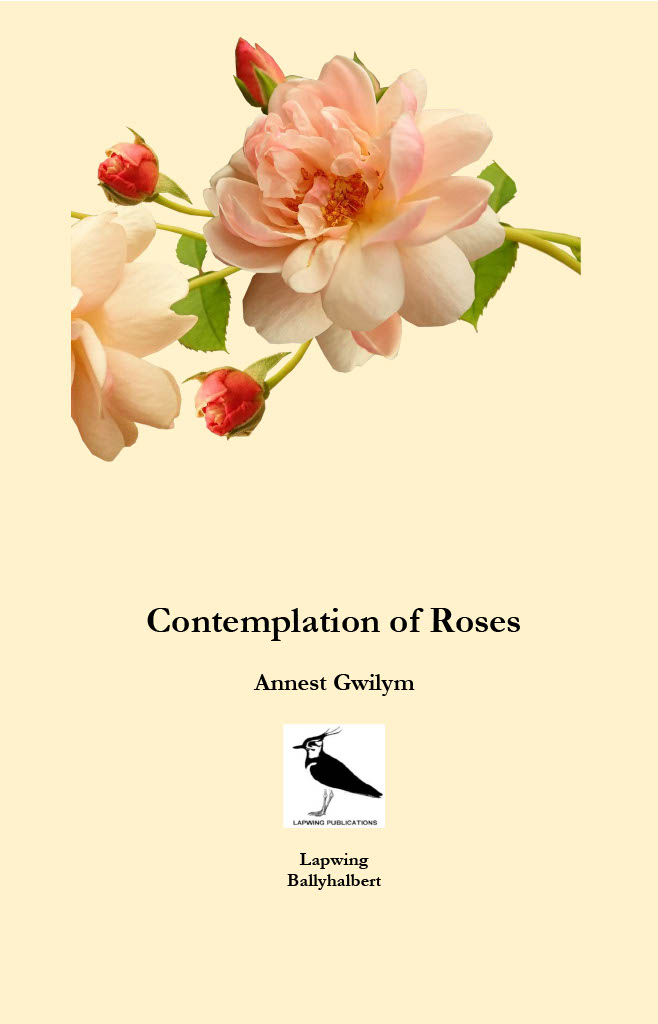
Annest’s latest book , Contemplation of Roses, was recently published by Lapwing Poetry and is a terrific collection of poems divided into two key themes. One examines the natural world, while the latter section examines human nature. Pieces are vivid and relatable and have broad appeal. You can buy Contemplation of Roses, here. You can find Annest on Bluesky: @annestgwilym.bsky.social

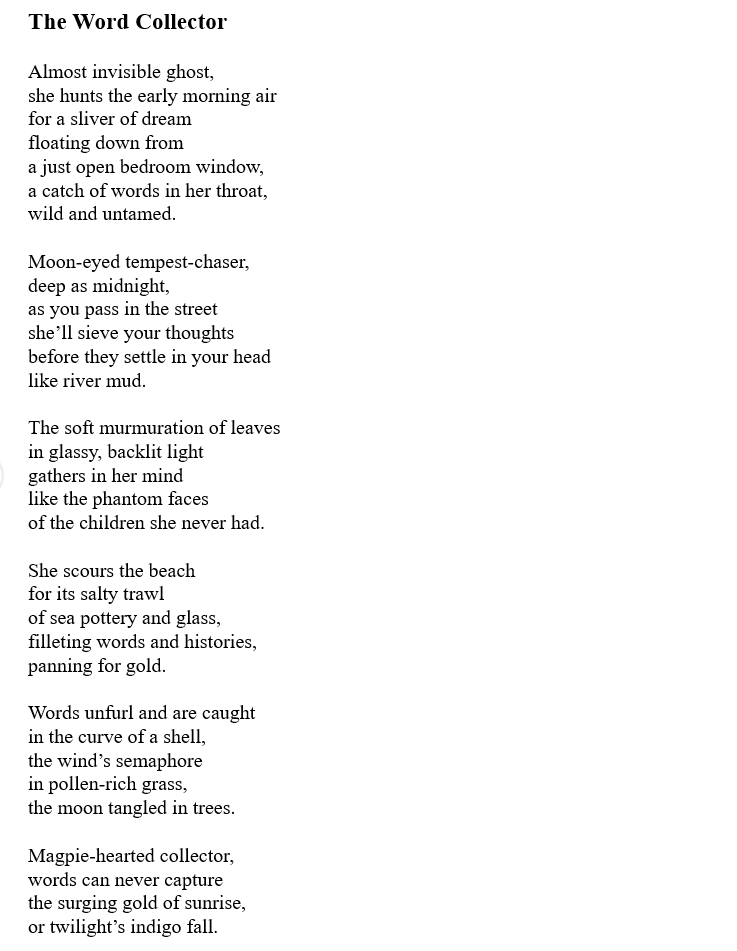
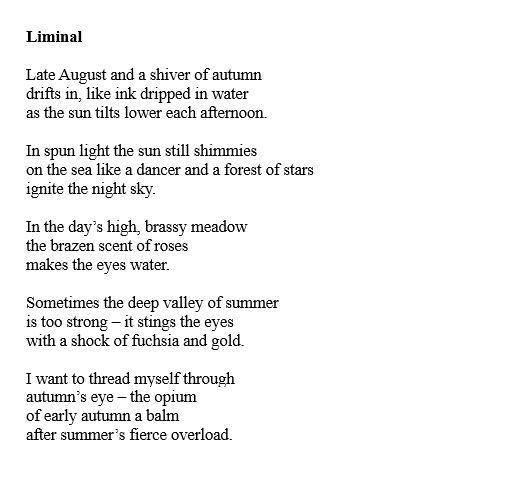
For part 1 of Annest’s feature, I will be sharing four poems and her interview. The first poem, was originally published by Fevers of the Mind and it examines Annest’s habit of collecting words.

First Published in Fevers of The Mind, 1 April 2021.

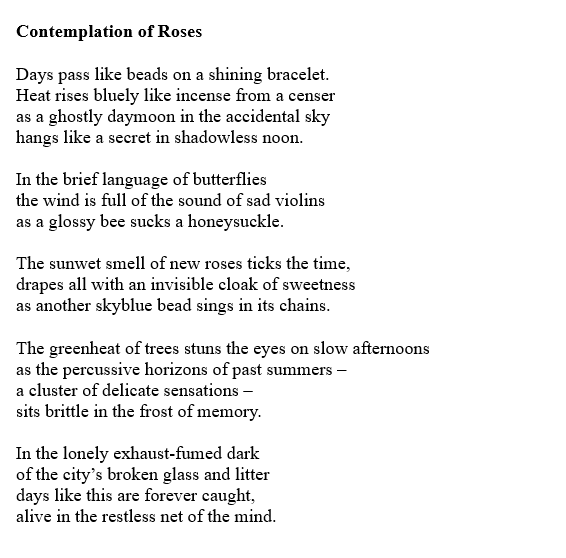
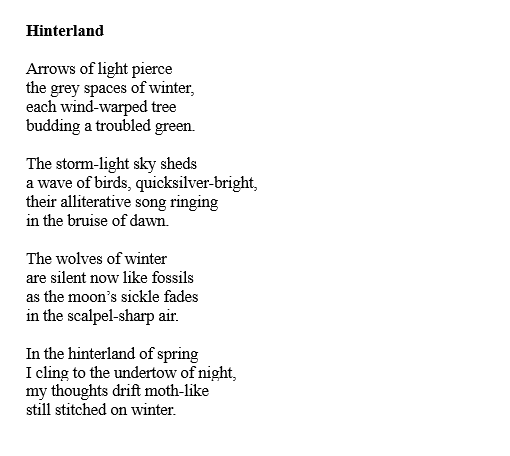
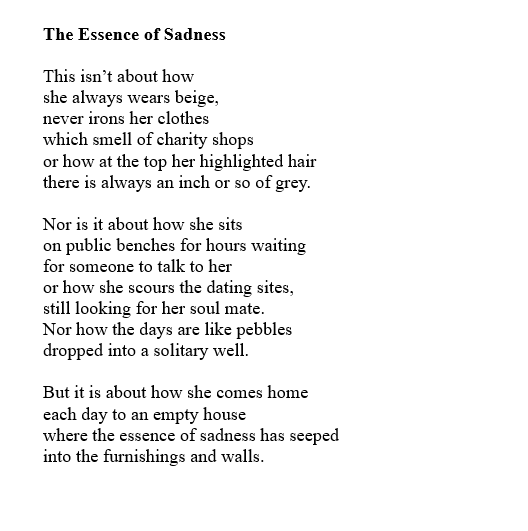
The following poems are all included in Contemplation of Roses.


An Interview with Annest Gwilym

PS: A nice easy one to get started, who would you say your poetic influences are and have they evolved over time?

AG: As a teenager I was a great admirer of the Romantic poets, and like many a schoolgirl, John Keats in particular. His Ode to Autumn remains one of my favourite poems to this day. I particularly like the sensuousness of his imagery, all the more impressive since it was achieved within challenging forms such as the ode and sonnet. I started experimenting with writing as a young child, although most of the writing from my earlier years was about teenage angst!

In my late teens I became interested in Ted Hughes, Dylan Thomas and R. S. Thomas. I remain an admirer of these three poets, but am probably not as influenced by them as I used to be. I liked and could identify with R. S. Thomas’ views on Wales, and also his focus on the everyday – landscapes and common people such as farmers – and his struggles with his spirituality. Ted Hughes I admired because of his stark, honest and vivid portrayal of nature, in all its beauty and ferocity. Dylan Thomas continues to be a favourite of mine because of his rich, lyrical, innovative use of language and powerful imagery. His mastery of the sonics of poetry is particularly evident when his work is read aloud. But on the whole, I sometimes find in Dylan Thomas’ work a ‘sensory overload’ and I prefer R. S. Thomas’ spareness, cleanness of language and sharply-carved imagery.

Over the years, I have also found Robert Frost, Anne Sexton and Sylvia Plath inspiring. They have all been influences on my work, though less so now as my own style of writing evolves. I am also influenced by some of the poets from the avant-garde movements of the 20th century (Allen Ginsberg in particular), though there would be too many to list them all here.

A major influence on my work continues to be Helen Dunmore. She is able to see the poetry in everything, and her style, sensuous but delicate and surprising is what makes her stand out for me. She spans the everyday domestic scene to mortality with the same grace and grounded sensuousness and spareness of imagery. She is unafraid of writing about difficult issues such as child abuse and death. A poetry mentor of mine used to say that there is poetry in everything in life, and I hold with that belief.

A more recent influence is the work of Canadian poet K.V. Skene. Her work is unlike anything else I have seen being written now, and is totally original in terms of content and layout on the page (she is not afraid of experimenting with form or language). I have recently read her book Seasonal Adjustments and was very impressed by her originality and lightness of touch.      

PS: In your new book Contemplation of Roses, nature plays an integral role. How do you capture the landscape, so it is as vivid on the page as in your mind, for example do you take photos, draft a description or is it from memory?

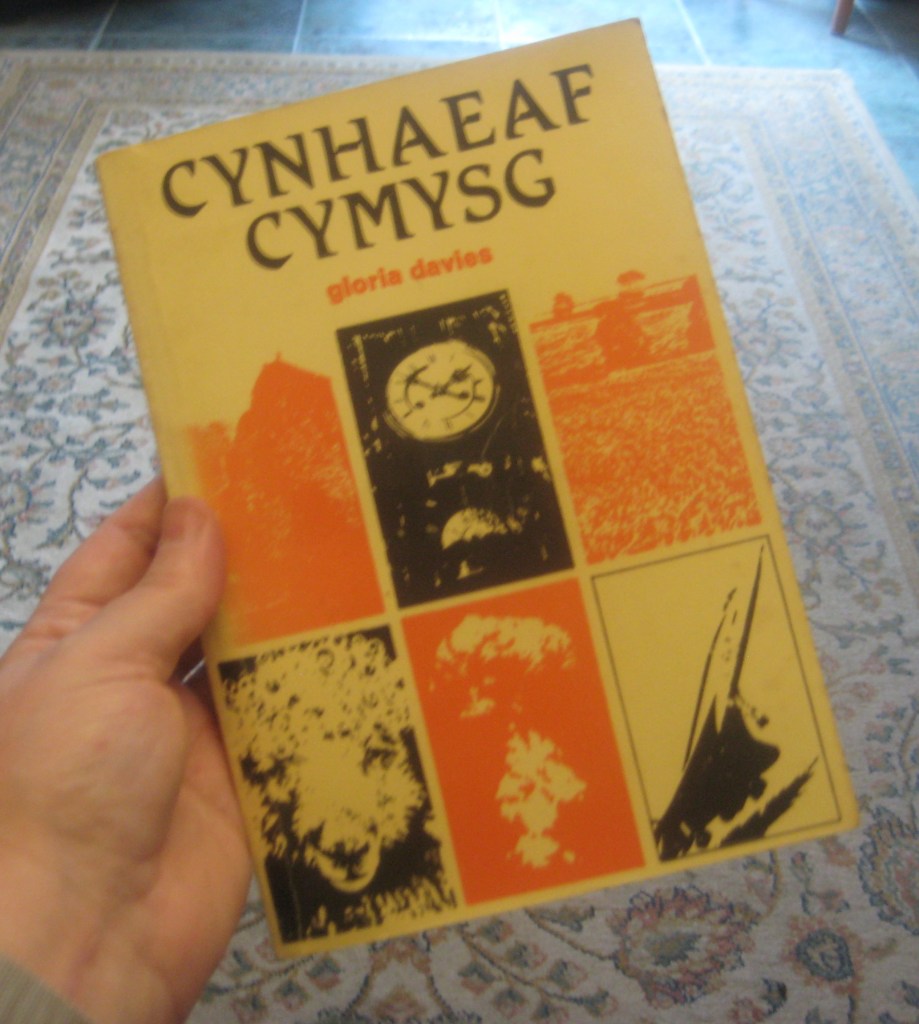
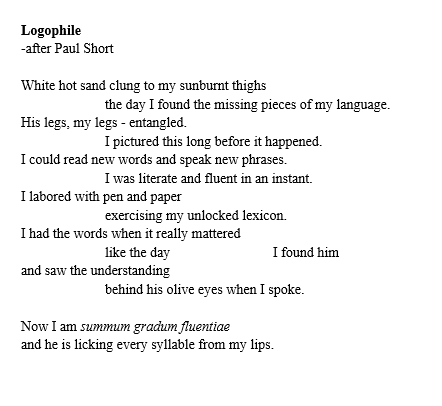
AG: It is mainly from memory, although I will sometimes take notes after a walk for instance. If I am unsure of something I am writing about, I will go back and take another look, or research it online. I keep a notebook of these memories, interesting ideas, themes and language. Some become poems, so do not. I also keep a document containing fragments and lines from failed poems, which I sometimes revisit and use again in another poem. When writing about nature, I am always aware of not falling into the trap of cliché or blurring the imagery by using too much. Sentimentality is also something I try to exclude from my writing about the natural world (or anything else), as it can be experienced and felt as inauthentic. One clear, sharp, original image is better than 20 clichéd ones. I wrote a poem in my last book – Seasons in the Sun – which is about me and my tendency to collect words (see The Word Collector, above).

PS: Following on from that, this book is your 4th. What is the most notable change in your style and process compared to when you wrote Surfacing (2018).

AG: My style is now not as confessional. I now try to write from other perspectives as well.

PS: In Contemplation of Roses, I really enjoyed the variety of perspectives used. Do you always know how the poem will be addressed (i.e. first, second or third person) before you draft or do you try from multiple perspectives?

AG: I usually decide on which perspective to use before writing the poem. There is no set process for this, it’s usually which approach works best with the poem.

PS: Thank you. Was there a particular event or memory that sparked your poetic journey?

AG: As I’ve mentioned elsewhere, I started trying to write as a child, first by making up and telling stories to my younger sister. I started writing poetry as a child/teenager, most of which was about teenage angst. The only success I had in childhood was to have a poem, written in Welsh, published in a local magazine, 1 of only 2 to be chosen from my school. I tried writing poetry again at university (Lancaster), again not publishable and after that became caught up in the pressures of life, work and trying to pay a mortgage. I didn’t start to write and submit my work seriously until my late 30s, although no one event sparked this. In the early stages of my writing career I found the website ABCtales.com helpful, in that you could post and receive supportive and helpful feedback from other writers, without the pressure of submission. I have always been a lover of literature and one of the things my late grandmother used to say was that I was never to be found without a book in my hands.

PS: If Contemplation of Roses could leave readers with one main thought or feeling, what do you hope it would be?

AG: Contemplation of Roses is very much the world as I experience it, and expect another person’s reaction would be quite different, and that is fine. I very rarely write poetry that is overtly political (there is nothing I dislike as much in poetry as political rants, or someone telling me how I should feel). So I tend to hope that the reader enjoyed my work, and came to their own conclusions.

PS: I imagine you are being asked this a lot as you’ve just released your book, but, do you have any other projects in the pipeline?

AG: I am currently on a Mentoring Masterclass with a very experienced poet. I won a bursary to take part in this. So far, we have covered a lot of information on the avant-garde movements of the 20th century in particular. As a consequence of this, it has led me to desire to make my work more distinctive, experimental and abstract even. I have found the website Language Is a Virus helpful for experimenting with language. The Cut-Up Machine is particularly helpful if you are looking for unusual juxtapositions of language in your work. I have used this tool for recycling old, retired short stories and have produced some quite innovative language combinations which I’ve used in my poetry.

PS: You are a native Welsh speaker. Would you like to see more contemporary Welsh language poetry/native language poetry being commercially available?

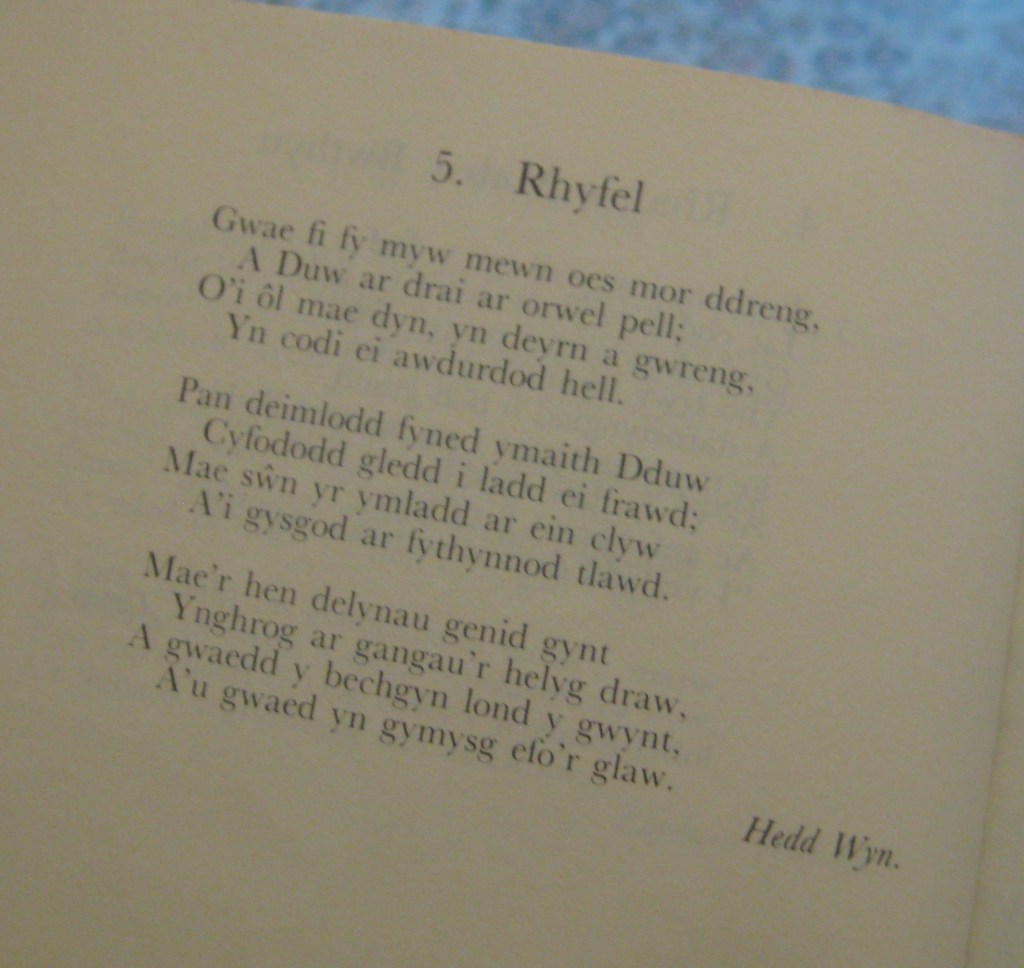
AG: Welsh language poetry is available, in Wales. My previous publisher – Gwasg Carreg Gwalch – publishes books in both English and Welsh. However, Welsh language poetry is not readily available outside Wales. It is on the Welsh school curriculum and I myself have an O Level in Welsh Literature. It is possible to do Welsh degrees (Language and Literature) in universities such as Bangor, Aberystwyth and Cardiff.

PS: You have a visibly strong connection to poetry. Are there any further creative pursuits that you would like to engage with?

AG: Over the years, I have experimented with a variety of arts and crafts, sometimes spreading myself a little thin. Poetry is the art that I feel the most connection to, although I am very attracted to visual art as well.

PS: And finally, what is the best piece of advice you have received about writing poetry that may benefit other poets?

AG: Never give up, read as much good poetry as you can (and not just on social media) and try to improve your work by attending courses, workshops or mentoring with a more experienced poet.

One piece of good advice I was given by a prolific and successful poet is that rejection happens to everyone and not to give up (he once told me he could paper his house twice-over with all the rejection slips he’s received in his life). Having been editor myself (Nine Muses Poetry 2018-2020) I know that editorial decisions are not always the right ones and it may simply be a case of finding the right venue for your work. Asking for feedback may also be helpful, although many editors are reluctant to give any.

Another piece of advice I would give is about line endings in poetry (one of my bugbears): they are there for a reason, and should form a natural pause. Reading your poetry aloud would give a better idea of where natural pauses occur. I see many poems these days (especially on social media) that end mid-sentence, mid-flow (even on words such as ‘the’), and it is a tendency that should be avoided, although it tends to be young or inexperienced poets who make this particular error.


Welcome back! You’re hear to read the remaining three poems selected from Annest’s book Contemplation of Roses. Remember, You can buy your copy here here.

Many thanks to Annest for sharing work from Contemplation of Roses and a previous piece and for such considered answers to my questions.

The Book Bag: Poetic Voices – May 2026

If you can believe it, it’s May. How did that happen? I can’t be the only person who feels like time is running at full sprint? Anyway enough digressing, it’s the first day of the month which means…time to introduce a new Poetic Voice.

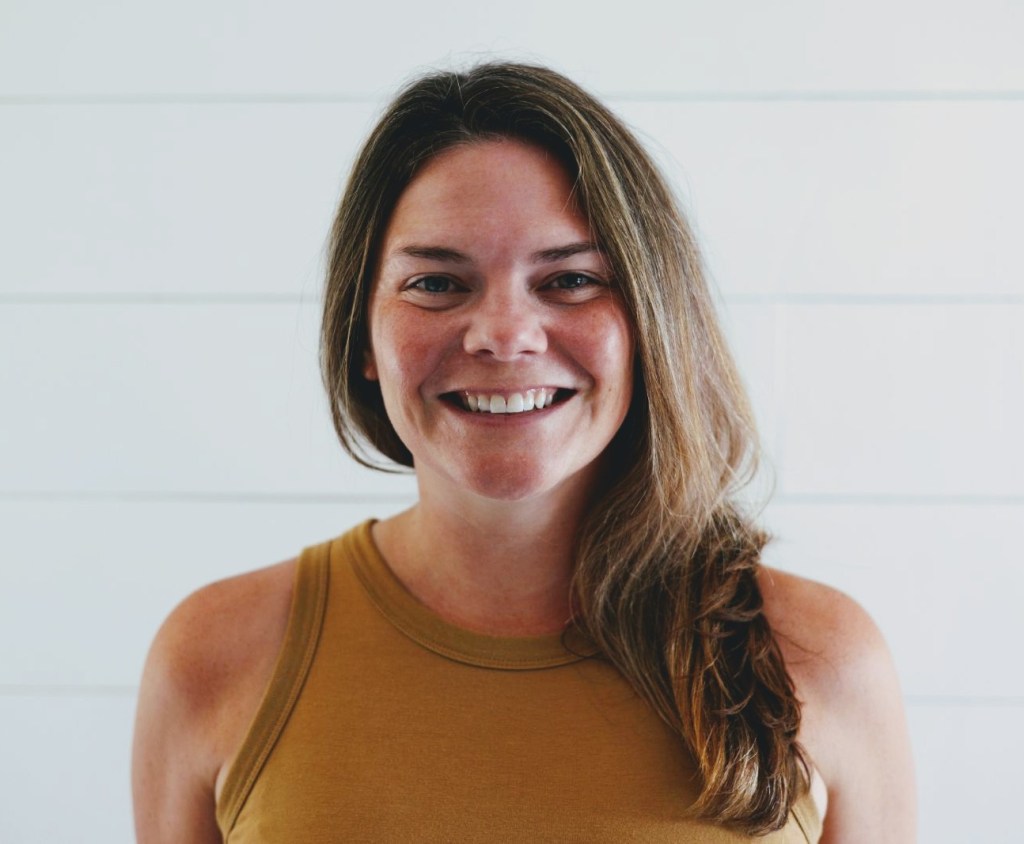
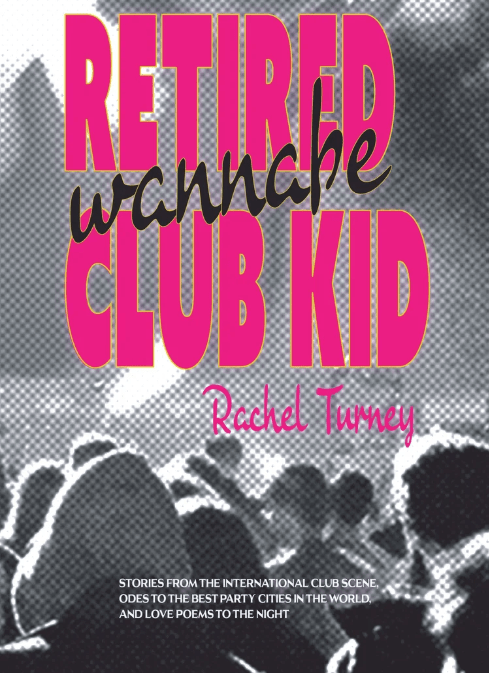
I first encountered May’s Poet on social media. Then I read her book Retired Wannabe Club Kid (and offered a blurb) and saw how much she was doing for the international poetry community and I knew I had to include her Poetic Voice in 2026.

Welcome… Rachel Turney.
This month we have poems from Rachel’s collection Retired Wannabe Club Kid (with a playlist), original poetry and an interview.

Rachel Turney, Ed.D. (she/her) is the Writer in Residence (2026) at NKollectiv in Englewood, Colorado. Her poems, research articles, reviews, and drawings can be found in a variety of publications. Rachel is passionate about immigrant rights, teacher support, and empowering other artists. She is a Writers’ Hour prize winner and Best of the Net nominee. Her photography appears on a few magazine covers. Rachel is the founder of the popular online reading series Poetry (in Brief). She is on staff at Bare Back Magazine with her monthly column Friday Night in the Suburbs. She reads for The Los Angeles Review.

Website: turneytalks.com Instagram: @turneytalks Bluesky: rachelturney 

Books released or releasing in 2026: 

Record Player Life with The Poetry Lighthouse – Buy here
Retired Wannabe Club Kid with Parlyaree Press – Buy here
To Be (a Woman) with redrosethorns – Pre-order here
Women Making Soup Together with Vinegar Press – Buy here


In this first instalment of Rachel’s feature I have 3 poems for you from various sections of Rachel’s book Retired Wannabe Club Kid with accompanying recommendations for music (these will be included in the full playlist in the 2nd instalment) as well as a brief Q&A…

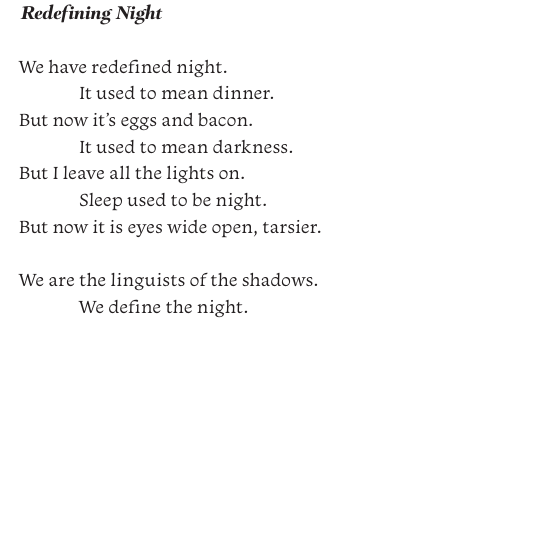
Poem 1 is Redefining Night and it speaks to the raver in me.

Track Recommendations:
Beautiful Like Me – Joydrop 
Seventeen – Ladytron

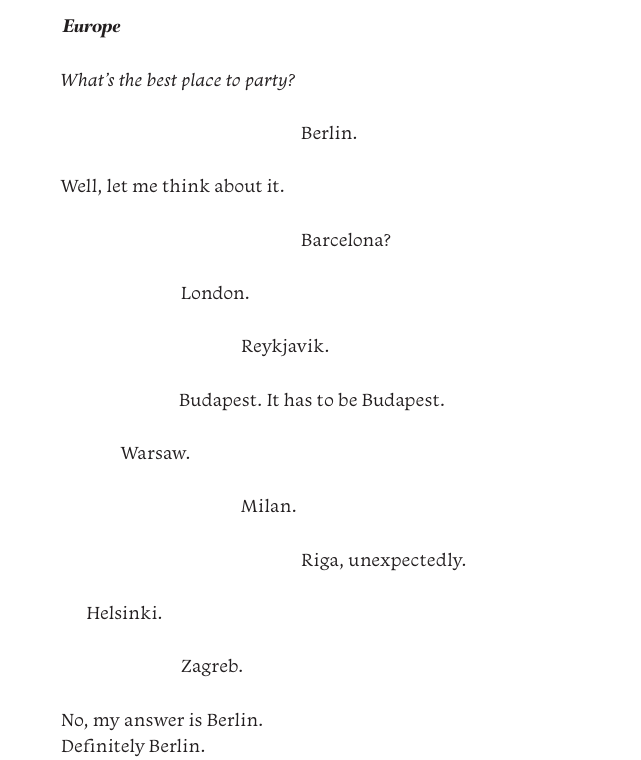
Poem 2 ‘Europe’ takes us on a Clubber’s tour around the continent. It’s made me quite nostalgic…

Track Recommendation:
Take Me to the Club – Mannequin

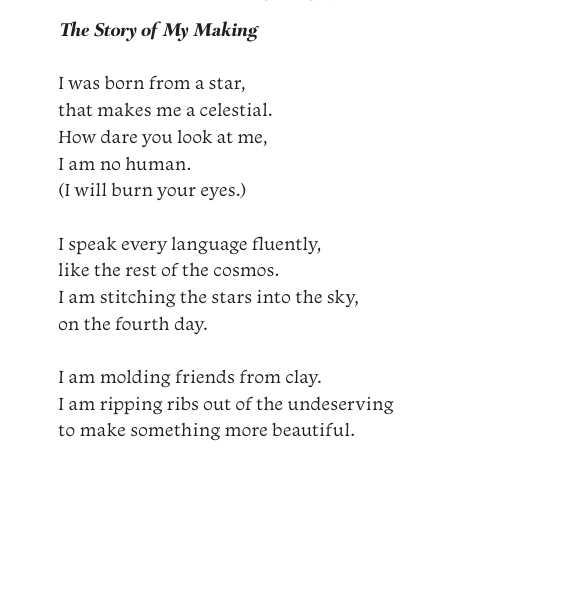
Poem 3 is a cosmic banger of a piece and one of my favourites…

Track Recommendation:
What Else Is There? – Röyksopp 


I asked Rachel a few questions about her writing…

PS: An easy one to begin with. What made you want to become a poet?

RT: Well, really doesn’t everyone want to be a best-selling fiction writer? But alas it turns out we are the chaotic poet just praying that one person will read our little poems about darkness, night, and maybe aliens. A person doesn’t choose poetry – poetry chooses you! 

But really – I started the hobby of writing creatively when I was in elementary school, mostly short stories. I only recently sort of refound writing as a form of expression. I wrote a lot of the pieces in Retired Wannabe Club Kid as EDM lyrics and then I tried to learn how to use GarageBand without any success. I saw a few one woman shows at Iceland Airwaves back in 2019 where musicians looped their own music and sang and I was like damn I wanna do that. I then learned I cannot do that – lol. I tried to employ my father and brother, both exceptionally talented musicians, to help me but they didn’t “see the vision”, if you will. I am still looking for a collaborative partner if anybody reading this is interested. 

PS: What is your writing process on a typical day? 

RT: If you had asked me that a couple months ago the answer would be totally different than now! I used to have a structured routine, but I have abandoned it. Honestly, I think I got burnt out which won’t be surprising for anyone to hear – I do too much. I’m trying to “create” less. I do try to be true to one thing though – always writing things down. I have little notebooks around the house and some prompt journals as well that I use from time to time. Writing processes evolve and change and I think that’s a good thing. 

In April I participated in One Poem Only’s After program, where I wrote a poem each day “after” the poem that was read on One Poem Only. Practices like this can be helpful as long as they aren’t forced. I am slowing down as a writer and trying to focus more on my reading series Poetry (in Brief). In fact, now is a great time to announce that I am starting a magazine based on my reading series! Stay tuned for more information on that!

PS: Movement and music play a big part in your poetry. How did this influence start and how do you keep it original and fresh in your work rather than making it feel routine?

RT: I come from a family of artists, musicians, and singers. I struggled to find my medium growing up. For a time, I rejected or didn’t honor the art and music side of me. It can be daunting when you are surrounded by talent. What I do have that the rest of my family lacks is fortitude. You can reject my poem 1,000 times; I’ll just keep submitting. I have found that this is necessary in the world of poetry, which is a very subjective art form. I think I have found my place in the art world now. 

To the second question – I would like to think I achieved that by compiling all of my poems in this genre of music and movement in one collection: Retired Wannabe Club Kid. This collection is wildly different from the other three I have published. I don’t write in this style currently/anymore. I feel like I completed that work and I have moved to other influences and types of poetry. Right now, I am trying to write more prose and explore new genres like horror, science fiction, and surrealism. 

PS: You do a lot of wonderful promotion for the poetry community. Do you have any tips for poets who want to get their work seen by a broader audience?

RT: Read and get involved with literary magazines. Three years ago, I had published literally one poem during the pandemic – a poem which is included in my book coming out on May 13th 2026 – To Be (a Woman). It wasn’t until I started submitting to literary magazines that I gained confidence. Now my work has appeared in hundreds of publications and I have made connections with so many EICs and other poets. 

Another way to build connections is to champion the work of others. When I pick up a literary magazine, I read the pieces by the folks I know first and that I chat with on social media. I met most of the people I talk to regularly through my invited reading series Poetry (in Brief). I had a little group of poets I really admired and I thought hey I wanna meet these people, so I started a reading series to connect with others and create a space for community.

PS: Finally, beside you, who are the other poets we should be reading at the moment?

RT: I think a great place to find the freshest voices is through literary magazines! The editors curate their pages usually out of hundreds of submissions and tend to bring a collection of current and necessary poetry. Find a few lit magazines you enjoy, support them, and keep up with their editions. A few magazines I keep up with are Wild Roof, Orange Rose, Moss Puppy, Thorn & Bloom Magazine (by redrosethorns), anything Paul Short is doing – like your anthology Unwhispered Legacy that just came out (nods at Paul), Drip Lit, and so many others! 

Instagram accounts I recommend following: 

The Poetry Lighthouse publishes new poems directly to their Instagram from poets all over the world. You really get a good sense of what poetry is doing globally if you follow them. @thepoetrylighthouse

Quillkeepers – Stephanie Lamb (EIC) posts her own calls and many others in her stories. She champions the work of others. @quillkeeperspress

Here are a couple poets I keep up with on Instagram and why: 

Nana – Nana does interesting things with rhyme and storytelling. I really respect his work. 
@whatnanawrote

Sandra Beth Levy – She posts her poems and just has a very positive page that uplifts others. 
@slevy43 

And of course, follow me and say hello! @turneytalks 

PS: Thanks Rachel. I completely agree with your recommendations and advice.


We’re back for Part Two of Rachel’s feature, sharing 2 more poems from Retired Wannabe Club Kid with suggested track recommendations plus a Playlist full of bangers to get your groove on.

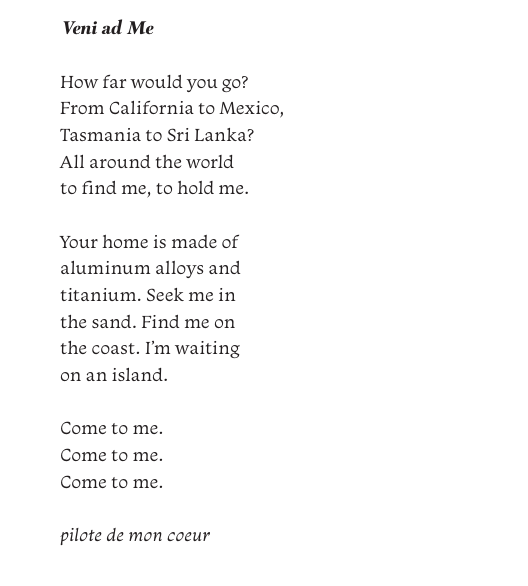
We are jetting off on a global trip this time. This is ‘Veni Ad Me’

Track Recommendations:
Running Up That Hill – Kate Bush 
It Can’t Come Quickly Enough – Scissor Sisters

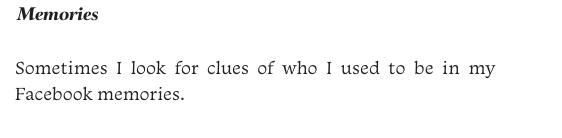
And Poem 5 is jaw-droppingly sharp and concise. It made me look over my social media to see if i could still see the rough edges of me.


Track Recommendation:
Memory – Alex Le Mirage


To go alongside Rachel’s excellent track recommendations, here’s a Book Bag Playlist to accompany Retired Wannabe Club Kid. This is not for the faint hearted.

Warning: Prolonged Exposure To This Playlist Will Result in Dancing.


Pacific State – 808 State
Voodoo Ray – A Guy Called Gerald
Good Life – Inner City
What Time Is Love? – The KLF
Chime – Orbital
Release the Pressure – Leftfield
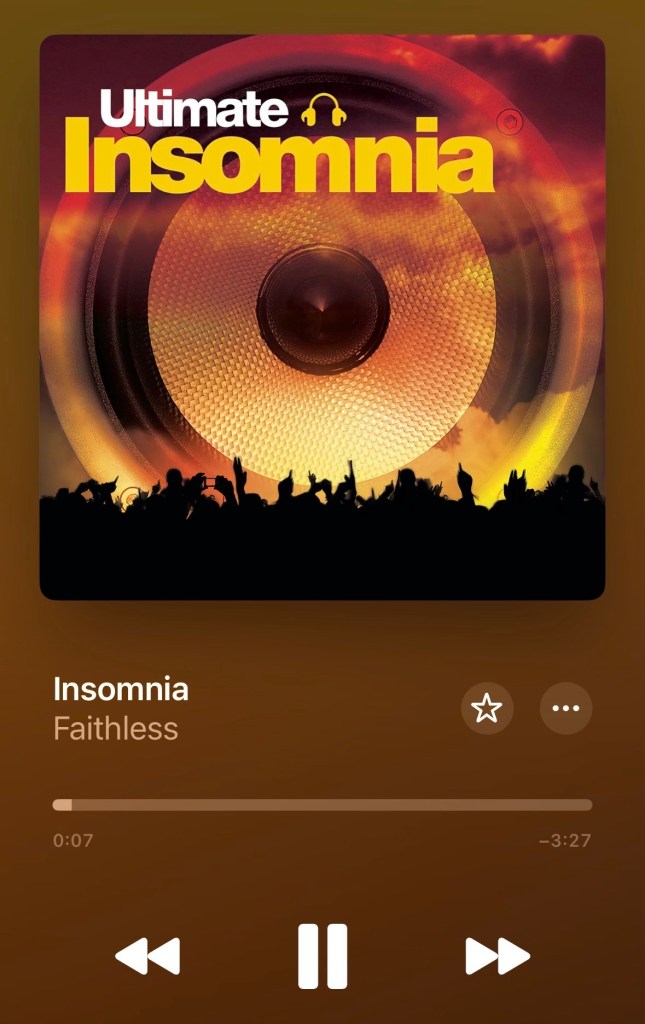
Insomnia – Faithless
Leave Home – The Chemical Brothers
Breathe – The Prodigy
Right Here, Right Now – Fatboy Slim
E Talking – Soulwax
Another Chance – Roger Sanchez
Red Alert – Basement Jaxx
At the River – Groove Armada
Around the World – Daft Punk
Get Get Down – Paul Johnson
Lady (Hear Me Tonight) – Modjo
Children – Robert Miles
Café Del Mar – Energy 52
For an Angel – Paul van Dyk
9 PM (Till I Come) – ATB
Punk – Ferry Corsten
Traffic – Tiësto
Call on Me – Eric Prydz
Waters of Nazareth – Justice
Zdarlight – Digitalism
One – Swedish House Mafia
Yeah – LCD Soundsystem
And As Recommended by Rachel, Party Monster Soundtrack – Every Single Song


How time flies when you’re having fun.

I hope you’ve all been dancing to the playlist from Part 2 and ordering Rachel’s books!

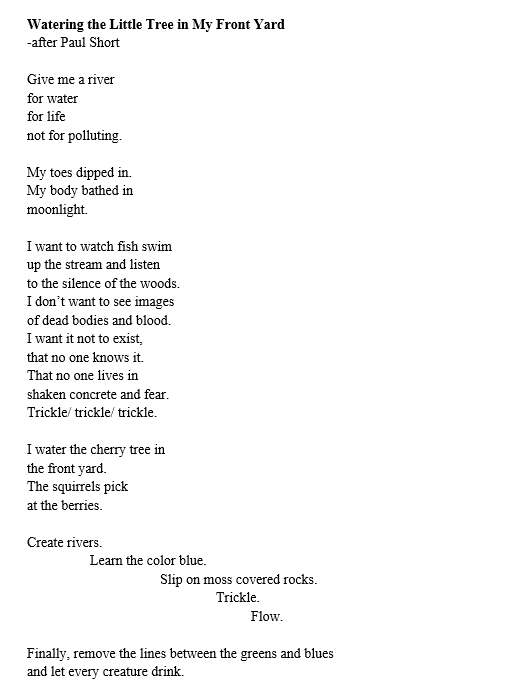
For Part 3, I am so deeply honoured to share two pieces from Rachel. Both poems are written after two of my own pieces. It is such an incredible feeling.


Thank you Rachel for sharing incredible work throughout May and for your generosity with both time and creativity.

I’m looking forward to the release of your inaugural journal Poetry (in Brief).


Stay poetic people,

Paul

The Book Bag: Poetic Voices – March 2026

It’s March already. Spring approaches with pace, clocks are changing this month and I fell like time is something we can’t grasp both figuratively or metaphorically.

As we slide gently into the (hopefully) warmer months, it’s my pleasure to bring you another Poetic Voice.

I first encountered this poet on social media and was startled at the beauty and elegance of language used in poems that always include multiple layers and deep emotional connection with readers. I feel very lucky to be able to share original work from this tremendously talented writer.

So without further ado, let me introduce March’s featured poet….Vikki C.

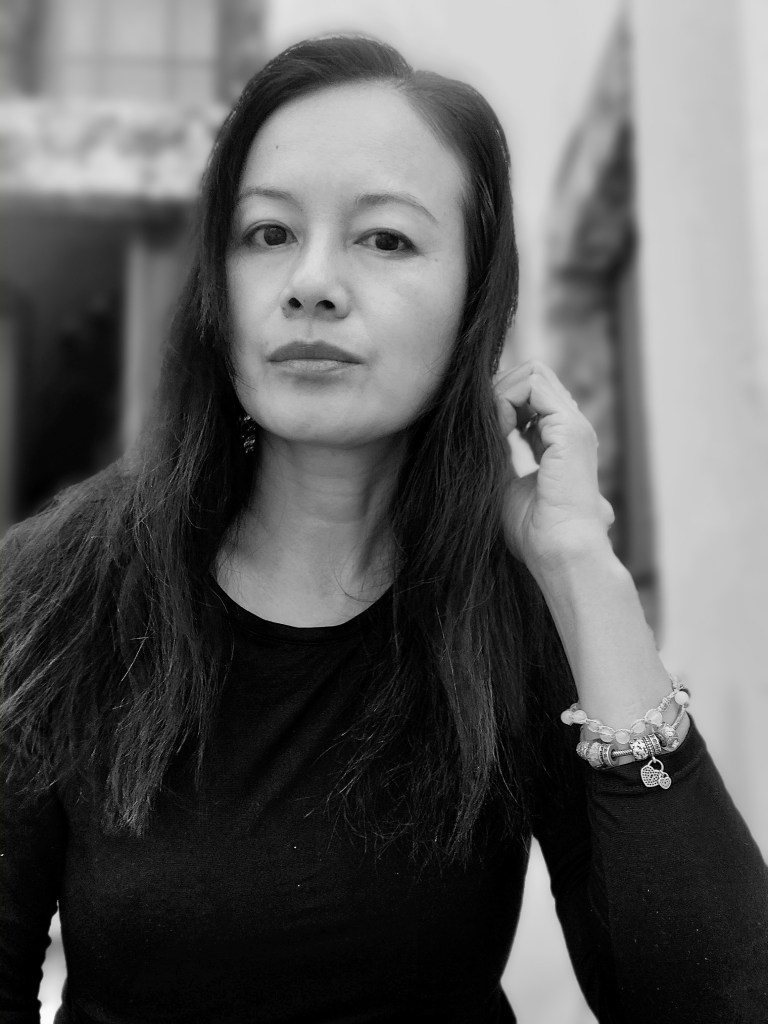
Vikki C. is a London-born poet, essayist and musician whose poetry, fiction and non-fiction appears in over 90 publications worldwide. She has been nominated for The Pushcart Prize, Best of the Net, and the Orison Best Spiritual Literature Award and was shortlisted in The Bridport Prize and other international literary contests. Recent and forthcoming venues include Grain Magazine, The Ilanot Review, EcoTheo Review, The Inflectionist Review, The Blue Mountain Review, Up the Staircase Quarterly, Psaltery & Lyre, Heavy Feather Review, Action, Spectacle, TIMBER, Skylight 47, Pinhole Poetry, Jarnal (Mason Jar Press), Ballerini Book Press, Astrolabe, Same Faces Collective, Bacopa Literary Review, Sweet Literary, Harpy Hybrid, Ballast, Emerge Literary Journal, Stone Circle Review, ONE ART Poetry, Feral, Salò Press, The Amethyst Review, Ice Floe Press, Black Bough Poetry, Cable Street, and Sunday Mornings at the River, among others. 

She is the author of the hybrid collaboration In The Blueprint of Her Iris (Ice Floe Press, 2025), the full-length collection Where Sands Run Finest (DarkWinter Press, 2024), the chapbook The Art of Glass Houses (Alien Buddha Press, 2022), and the micro-chapbook Dusklight Through The Dogwood Bower (Origami Poems, 2023). A winner of the Black Bough Poetry Collection Contest 2024, she has a book forthcoming with the press, and was also a Black Bough Silver Branch featured poet in June 2025. A longtime interdisciplinary artist, her writing, voice and music have featured on audio collaborations and podcasts. She serves as a contributing editor at The Winged Moon Magazine and guest edited the Ice Floe Press hybrid series ‘Process-Marginalia-Otherworlds’. 

You can keep upto date with Vikki’s work using the following;

Linktree: linktr.ee/vikki_c._author

Social Media: 
X: VWC_Writes
Instagram: vikkic.author 
Bluesky: vikkicwrites.bsky.social
Soundcloud: Vikki C. Music

Buy Vikki’s books using the links below:  

In the Blueprint of Her Iris (Ice Floe Press, 2025)
Where Sands Run Finest (DarkWinter Press, 2024)
The Art of Glass Houses (Alien Buddha Press, 2022)
Dusklight Through The Dogwood Bower (Origami Poems, 2023)

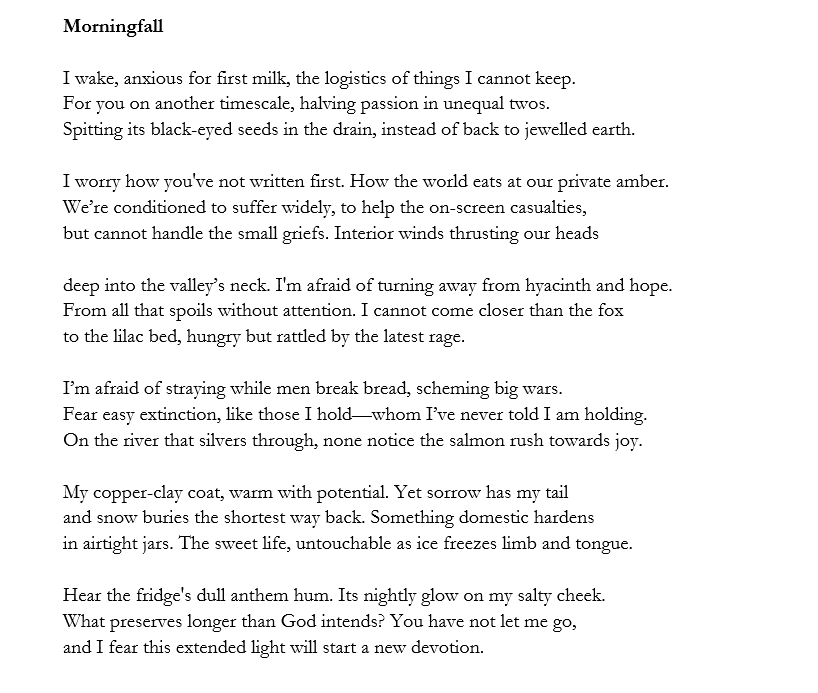
I am extremely grateful to be sharing a few poems of Vikki’s over the next month. It’s always a privelige when poets trust me to share work. For Vikki’s first poem, I have selected the incredible piece, ‘Morningfall’.


If you missed the news on Social Media last week, you may be unaware that Vikki’s poem ‘Morningfall’ was nominated by me for the Forward Prize.

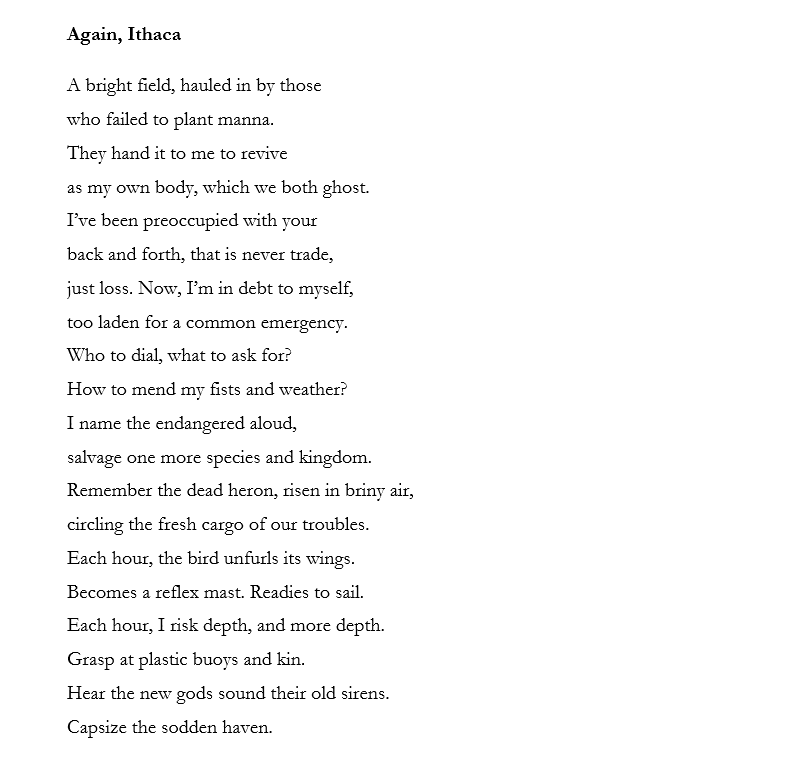
Today, I’m sharing Vikki’s 2nd poem, Again, Ithaca. This is a poem rich in language, physicality and metaphor.

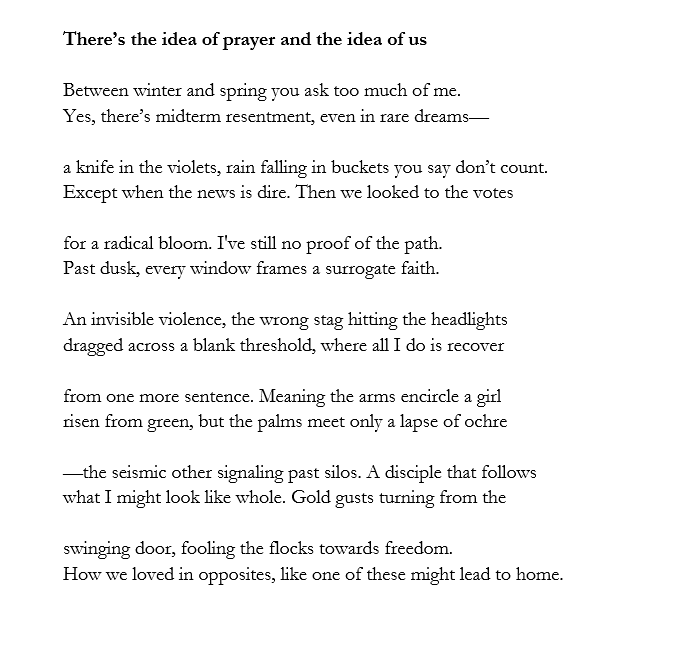
I can’t believe how fast this month is flying by. Here we are on World Poetry Day. This is Vikki’s final piece for her Poetic Feature. I’d strongly recommend you read more of her work. Check out her links above. Anyway, for World Poetry Day, this is ‘There’s the idea of prayer and the idea of us’. Again, tremendous use of metphor.

I hope you’ve enjoyed Vikki C’s feature which includes her Forward-nominated ‘Morningfall’.

Until next time, enjoy poetry, celebrate poets. It’s what the world needs…

Paul

The Book Bag: Poetic Voices – December 2025

And here we are. The final month of a year, that has gone by far too fast. It feels like only yesterday, I was taking decorations down in January, however only yesterday I was putting the decorations back up for the festive season.

As we’re in a new month, a new Poetic Voice has arrived. And I am ecstatic that this month in The Book Bag, I am featuring the work of a poetry superstar… Sophie Dumont. I first found Sophie’s poetry through the excellent Chris Campbell and became a fan instantly. Then I read the background to her debut book Sculling, and I reached out pretty much immediately for Sophie to be a Poetic Voice. Sculling is a profound debut collection. It has challenged my way of thinking and is quite brilliant.

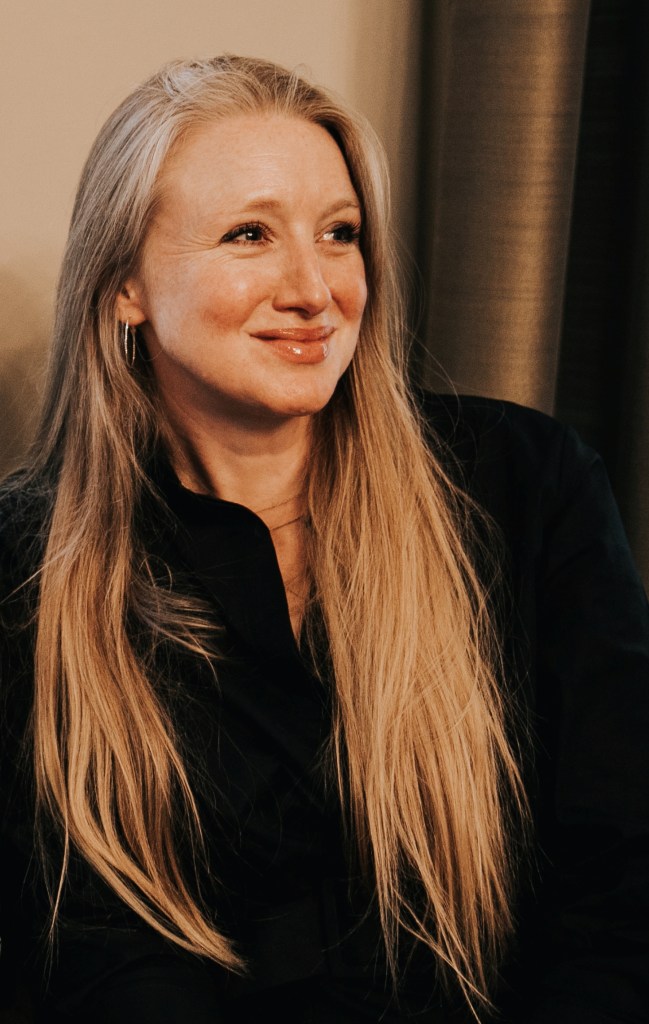
Sophie Dumont is a writer based in Bristol. Her debut collection Sculling was published on National Poetry Day October 2025 and has since featured in the Guardian, Sunday Times Style and Financial Times. Her poetry won the Brian Dempsey Memorial Prize and has been published in The Rialto, Magma, The Moth, Ink Sweat and Tears and Mslexia among others.

She has an MA in Creative Writing from Bath Spa University and has held writing residencies along Bristol Harbourside with Boat Poets and Exeter Quay through Literature Works. Find out more at  www.sophiedumont.co.uk

Follow Sophie on Instagram, Bluesky or TikTok.

Credit: Jae Frederick

Sculling is published by Corsair (who kindly provided the rights to use poems from the collection) and can be purchased here.

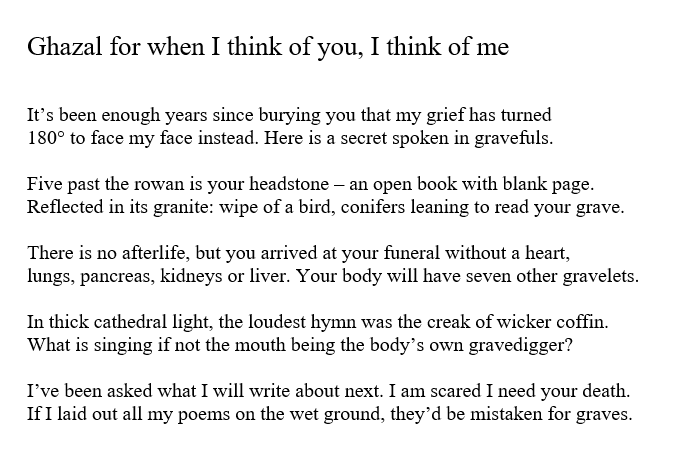
The first poem, is ‘Ghazal for when I think of you, I think of me’.

One of the main themes in Sculling is how one can live on through a selfless act of organ donation by saving others. Because of this, I wanted to raise some awareness for Organ Donation, which is a vital service that can help save lives. In the UK, information can be accessed here: https://www.organdonation.nhs.uk/.


Where are these December days going? It feels like only yesterday I was sharing the first part of Sophie’s feature.

Today, I am sharing another stunning piece from Sculling, titled ‘Celandine’. I am so grateful that Sophie is sharing work from her excellent debut collection.


Today I am sharing the piece ‘instinct of a glass eel’. This poem really struck me when I read it in Sculling and is definitely one of my favourites in the collection.


Sculling is one of my personal picks in The Book Bag Christmas Gift List which can be found here. Sculling is available to buy here.

Stay Poetic & Enjoy The Festive Break,

Paul

The Book Bag: Poetic Voices – November 2025

November, here we are. The fiery palate outside makes me think this year is burning through time. Where did October go?

With a new month, comes a new Poetic Voice and I am beyond thrilled to be able to announce and welcome to The Book Bag, Rebecca Goss, a poet I have long regarded as exceptional, especially for her poetry of place. It was excellent to hear Rebecca receive much deserved mainstream recognition from Frank Skinner on his podcast a couple of months ago, listen here.

Image Credit: Natalie J Watts

Rebecca Goss is the author of four full-length collections. Her second collection, Her Birth, (Carcanet, 2013) was shortlisted for several prizes including the 2013 Forward Prize for Best Collection. She is the winner of the Sylvia Plath Prize 2022. Her latest collection Latch (Carcanet, 2023) was shortlisted for the Creative Suffolk Author Award, 2025. She works as a poetry mentor, and is a Writing for Life Fellow with the Royal Literary Fund, in NHS Recovery Colleges. She is current Poet in Residence for CW+, the official charity of Chelsea and Westminster Hospital NHS Foundation Trust.

Follow Rebecca on Instagram @gosspoems

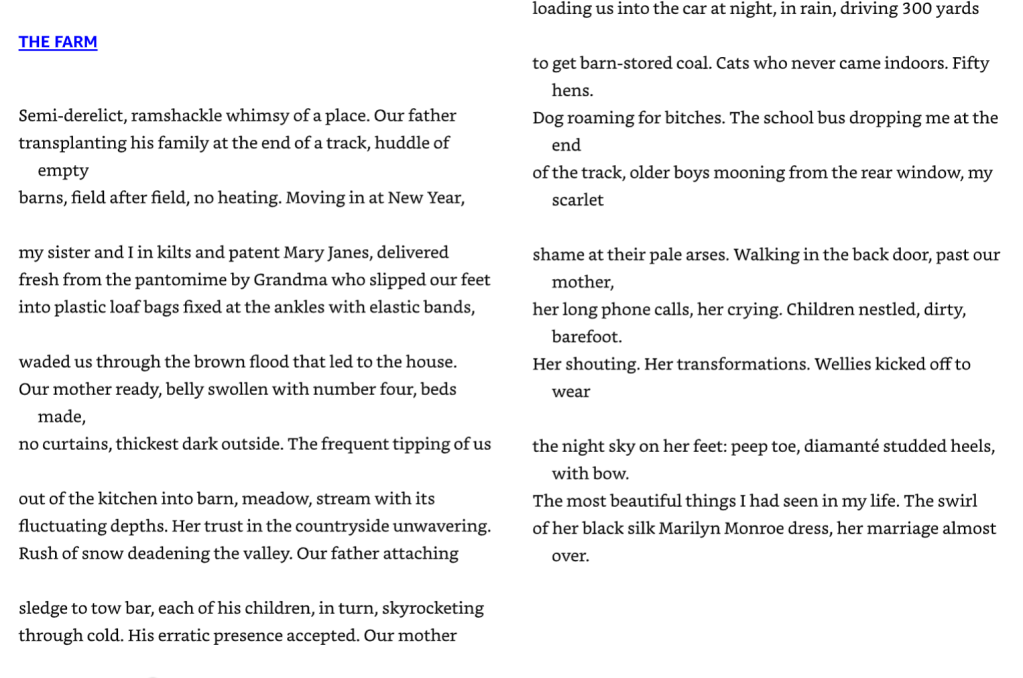
This month I will be sharing a few pieces from Rebecca’s collection, ‘Latch’ available to buy from Carcanet here which previously is a A London Review Bookshop Book of the Year and has been longlisted for the Longlisted for the New Angle Prize for Literature 2025. Carcanet have kindly provided rights for me to share images and poetry.

The first poem I will be sharing from Latch is ‘The Farm’


As promised, and graciously shared by Rebecca, this is ‘Weir’ from the collection ‘Latch’.


I want to thank Rebecca for sharing this bonus piece from ‘Latch’. This is one of my personal favourites in the collection and it is a real privilege to be able to share ‘The Hounds’.

Remember, you can here Frank Skinner discussing ‘Latch’ on his podcast here. You can buy ‘Latch’ here. It would make an excellent gift for poetry lovers.

Stay Poetic

Paul

The Book Bag: Poetic Voices – June 2025

Welcome to the first instalment of a new feature as part of The Book Bag. Poetic Voices will feature a different poet every month. This feature aims to platform and showcase exemplary work from writers I admire across the poetic landscape and will run concurrently with the regular weekly episodes of The Book Bag where I’ll still be sharing thoughts on books I’ve read in the week.

So without further ado, our featured Poetic Voice for June 2025 is Matthew M.C. Smith. A man who does so much for poets across the world and an incredible poet in his own right. If you’ve read The Keeper Of Aeons Book Bag article, you’ll know I’m a big fan.

Matthew M. C. Smith is a writer from the east of Swansea, the industrial heartland of the city.  He has a PhD on Robert Graves and Celticism. He is widely published and his work can be read in Poetry Wales, Arachne Press, These Pages Sing, The Gower Society Journal, Atrium Poetry and Acropolis Journal. Matthew is writing his own novel of The Odyssey, hoping to complete a final draft in 2025. He is campaigning for the return of the “Welsh Elgin Marbles” – the Red Lady of Paviland – back to Swansea from Oxford. 

Matthew loves everything Star Wars, Welsh Rugby, collecting signed poetry books and 60s/ 70s vinyl. He can be found on long time-travelling walks in Gower and the Welsh hills and coastline. 

His last poetry collection was The Keeper of Aeons (Broken Spine, 2022). In 2024, he read with Owen Sheers and Matthew Hollis.

Matthew edits Black Bough, the Silver Branch project and TopTweetTuesday. He is on Twitter, Bluesky, Facebook, Insta/ Threads.


Today, I’m sharing the following poignant and important piece by Matthew.


I am delighted to share another poem from Matthew MC Smith today (30/06/2025).


Thanks for reading, keep up with my socials to find out when the next poem goes live. Username is @paulwritespoems on Bluesky, Instagram, Threads, Facebook and X. You can also sign up to receive updates direct to your inbox when a new post goes live. Currently there is a delay in July’s Poetic Voice going live.


Take it easy and stay poetic.

Paul